

Split
Split, Croatia, is a city where ancient history and modern vibrancy blend seamlessly, creating an alluring destination for travelers. At the heart of Split is the UNESCO World Heritage Site of Diocletian's Palace, a remarkably well-preserved Roman complex built by Emperor Diocletian in the 4th century AD. This sprawling palace complex, with its labyrinthine streets, ancient walls, and grand Peristyle courtyard, is not just a historical site but a bustling part of the city’s daily life.
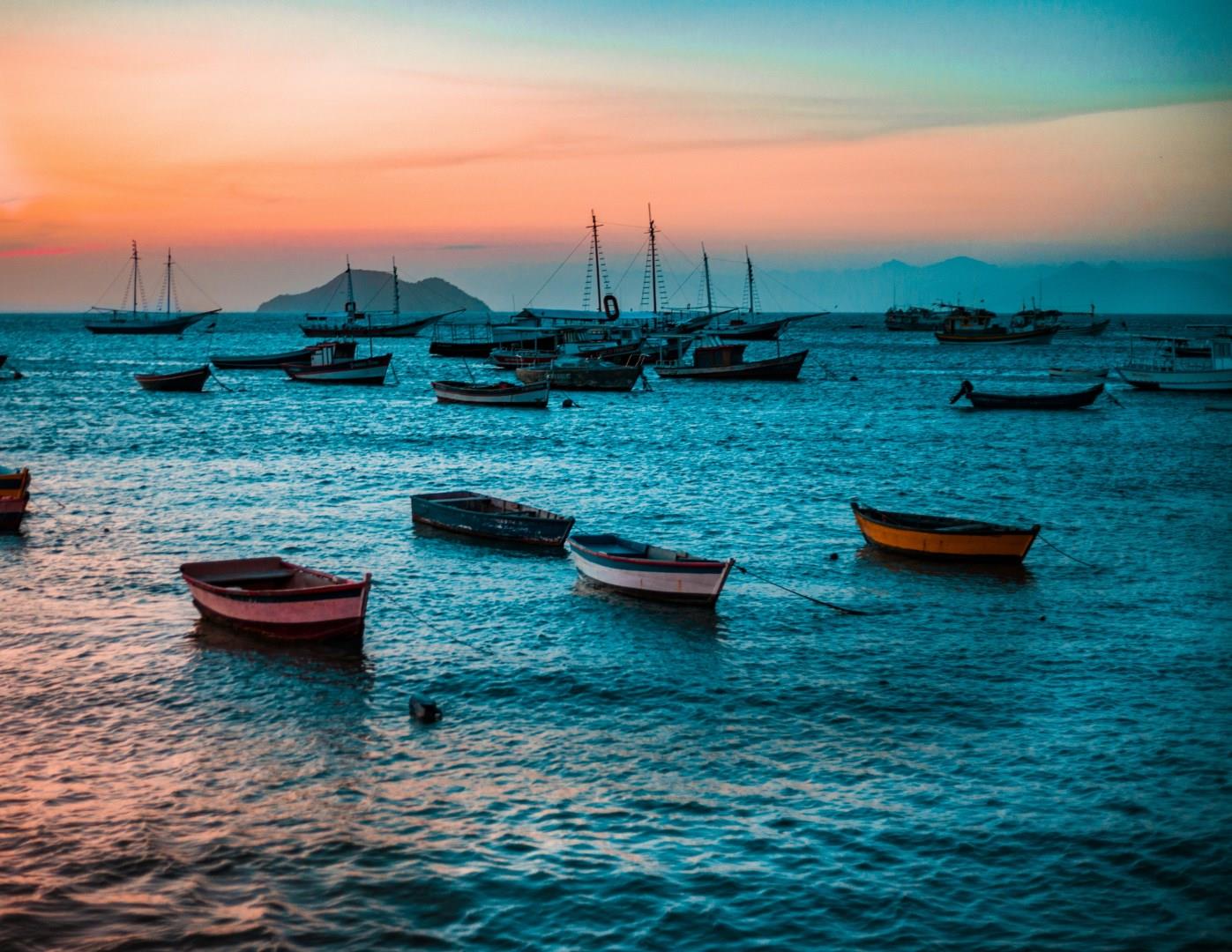
Búzios
Búzios, a small peninsula just a few hours from Rio de Janeiro, is known for its striking coastline, relaxed atmosphere, and vibrant cultural scene. Once a quiet fishing village, it rose to international attention in the 1960s when French actress Brigitte Bardot visited and fell in love with its laid-back lifestyle. The region is famous for its more than 20 beaches, each with its own personality.

Mikumi National Park
Mikumi National Park, located in Tanzania's southern highlands, offers a pristine and relatively undiscovered safari experience. Spanning over 3,230 square kilometers, Mikumi is part of the larger Selous Ecosystem, providing a diverse range of habitats from open grasslands to dense miombo woodlands. This park is an excellent choice for those seeking a more tranquil alternative to the more frequented Serengeti and Ngorongoro Crater.
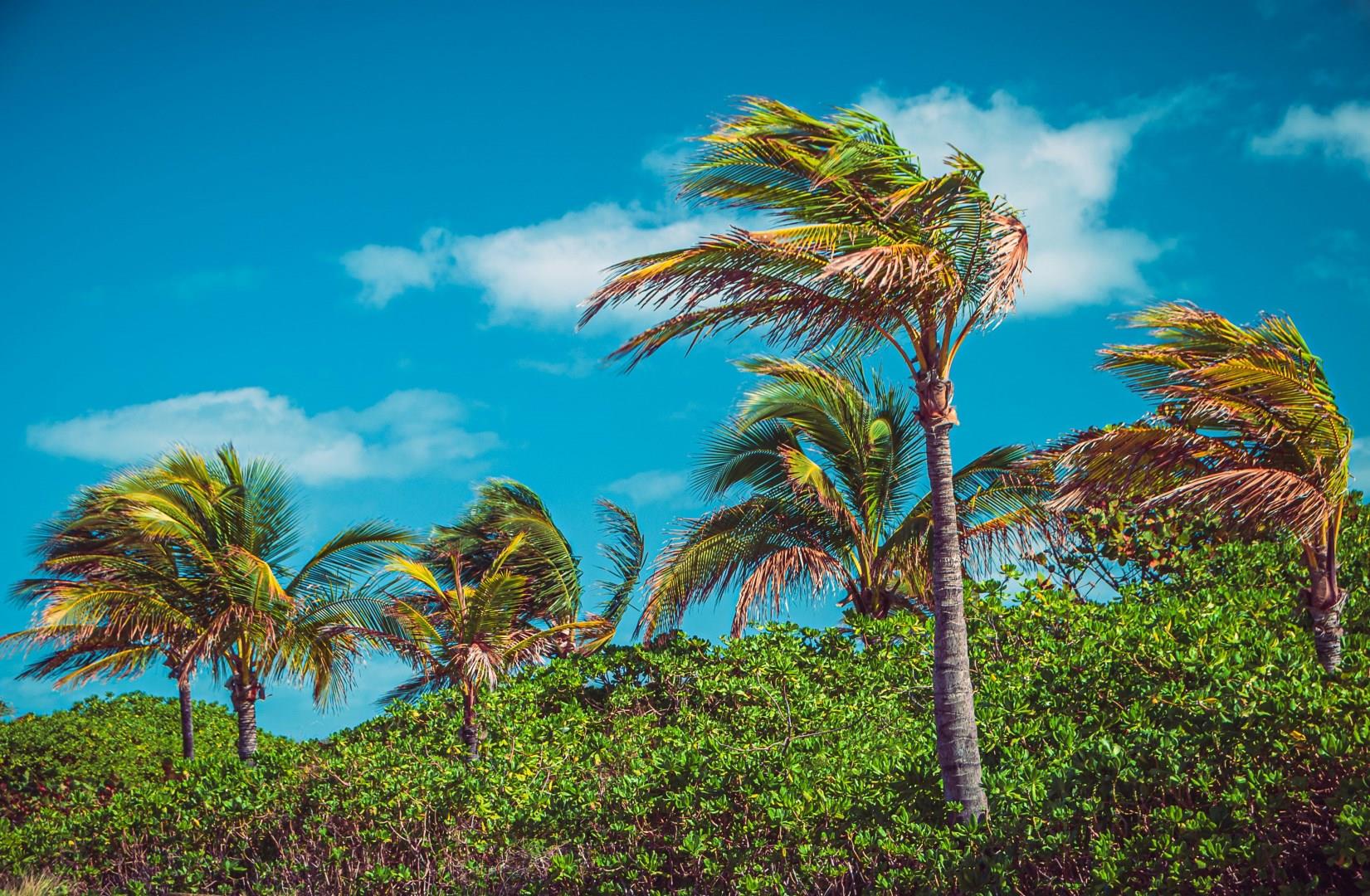
Castaway Cay
Castaway Cay, Disney’s private island in the Bahamas, is designed as a tropical retreat blending natural scenery with family-friendly experiences. Nestled among turquoise waters and soft sandy beaches, the island serves as an exclusive stop for Disney Cruise Line guests.

Dresden
Dresden, the capital of Saxony, is a city where history, culture, and beauty seamlessly intertwine. Known as the "Florence on the Elbe," Dresden boasts a stunning array of baroque and rococo architecture that captivates visitors from around the world. Dresden hosts the world's oldest Christmas market, the Striezelmarkt, dating back to 1434.
