

Chaniá
Chania, the jewel of western Crete, is a city where history, culture, and natural beauty converge to create a captivating experience. Known for its Venetian harbor, Chania boasts a unique blend of Venetian, Ottoman, and Greek influences. The harbor's old lighthouse, built in the 16th century by the Venetians, stands as a timeless sentinel over the bustling waterfront, which is lined with colorful buildings, inviting cafes, and vibrant tavernas.
Rabida Island
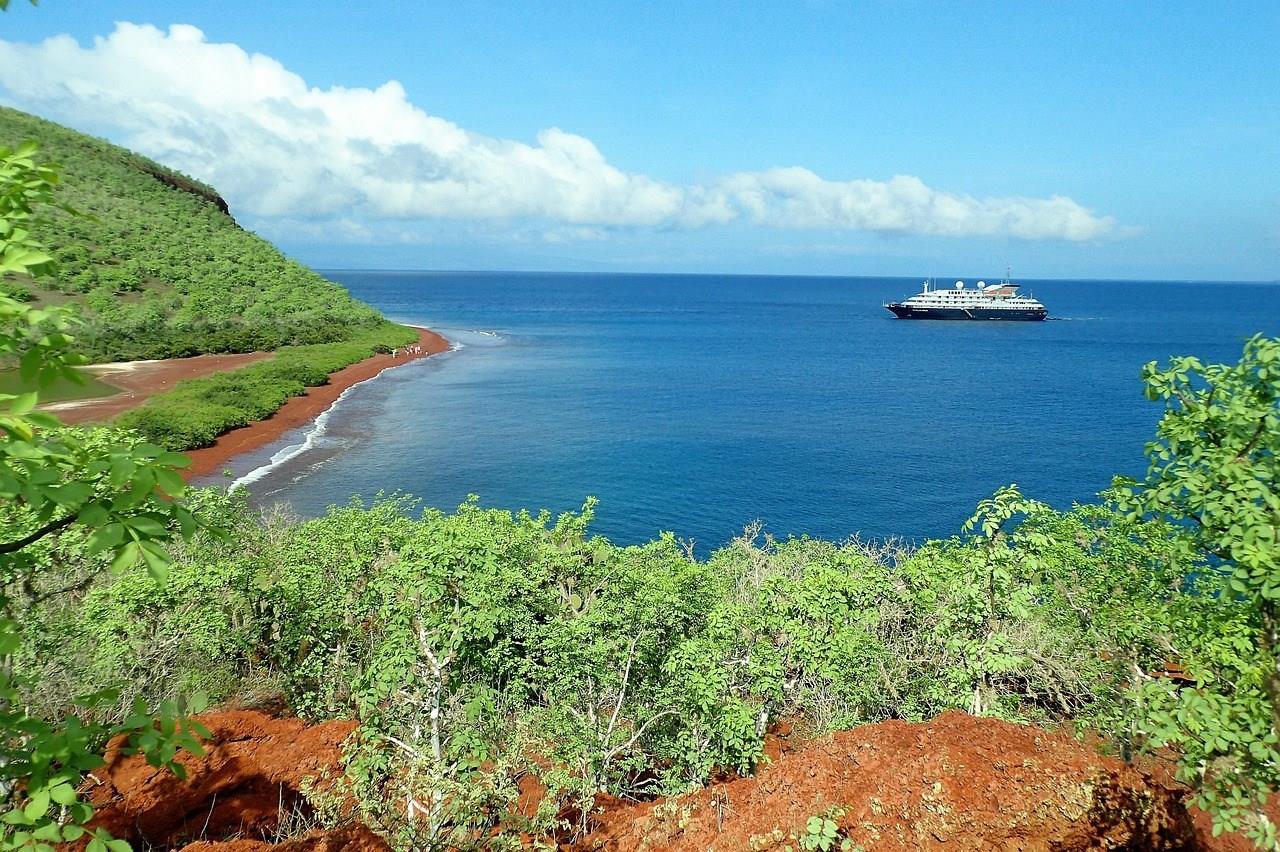
Rábida Island is one of the most visually striking islands in the Galápagos, known for its deep red volcanic shoreline and quiet, unspoiled atmosphere. Located near the center of the archipelago, the island is geologically young, with iron-rich lava giving its beaches a dramatic rust-colored hue.

St. Barthelemy
St. Barthélemy, often called St. Barts, is a small French Caribbean island known for its blend of natural beauty, refined luxury, and vibrant culture.
Saint Pierre
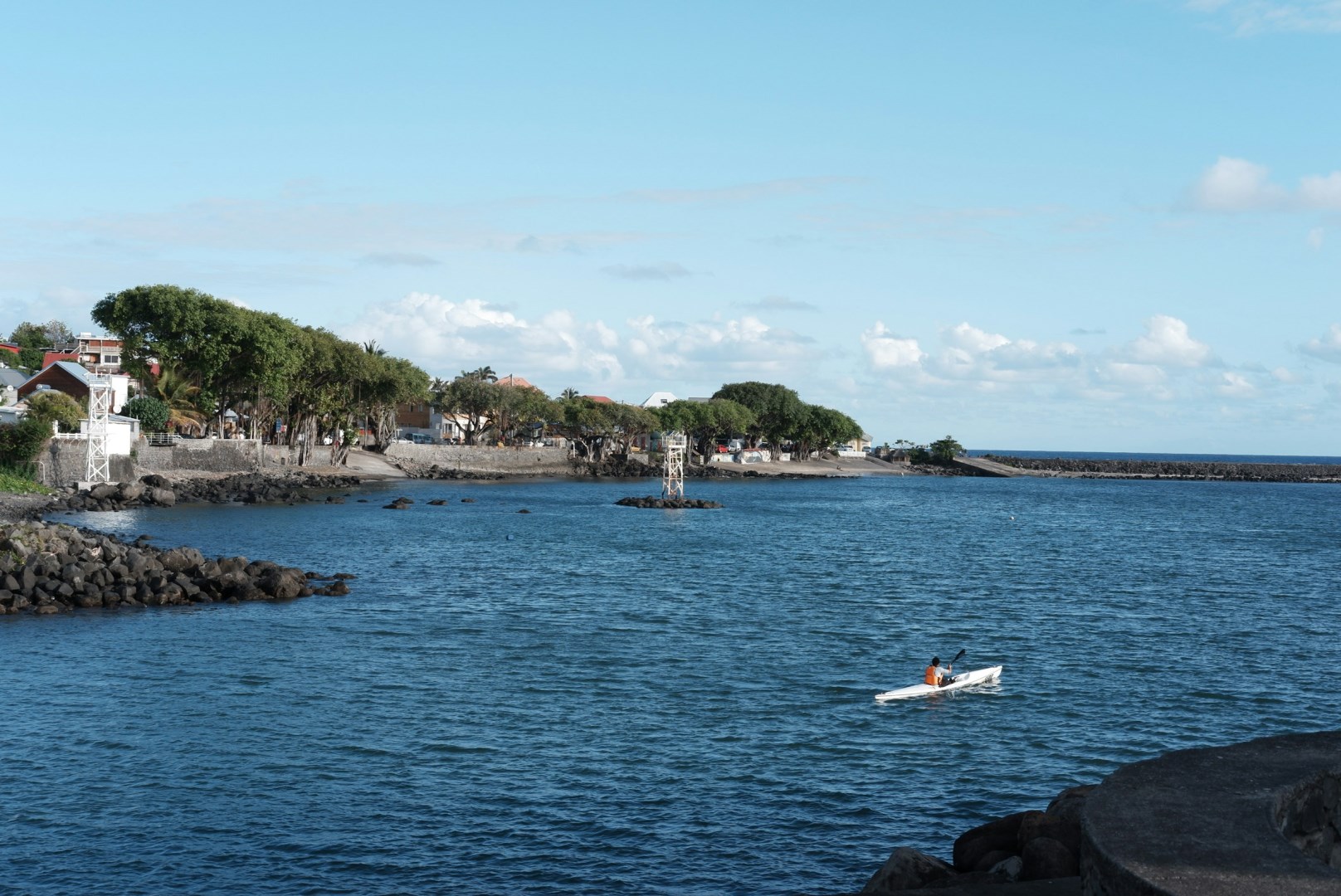
Saint-Pierre, located on the southwestern coast of Réunion Island, is a vibrant port town known for its blend of Creole culture, tropical landscapes, and lively urban life.
Botswana
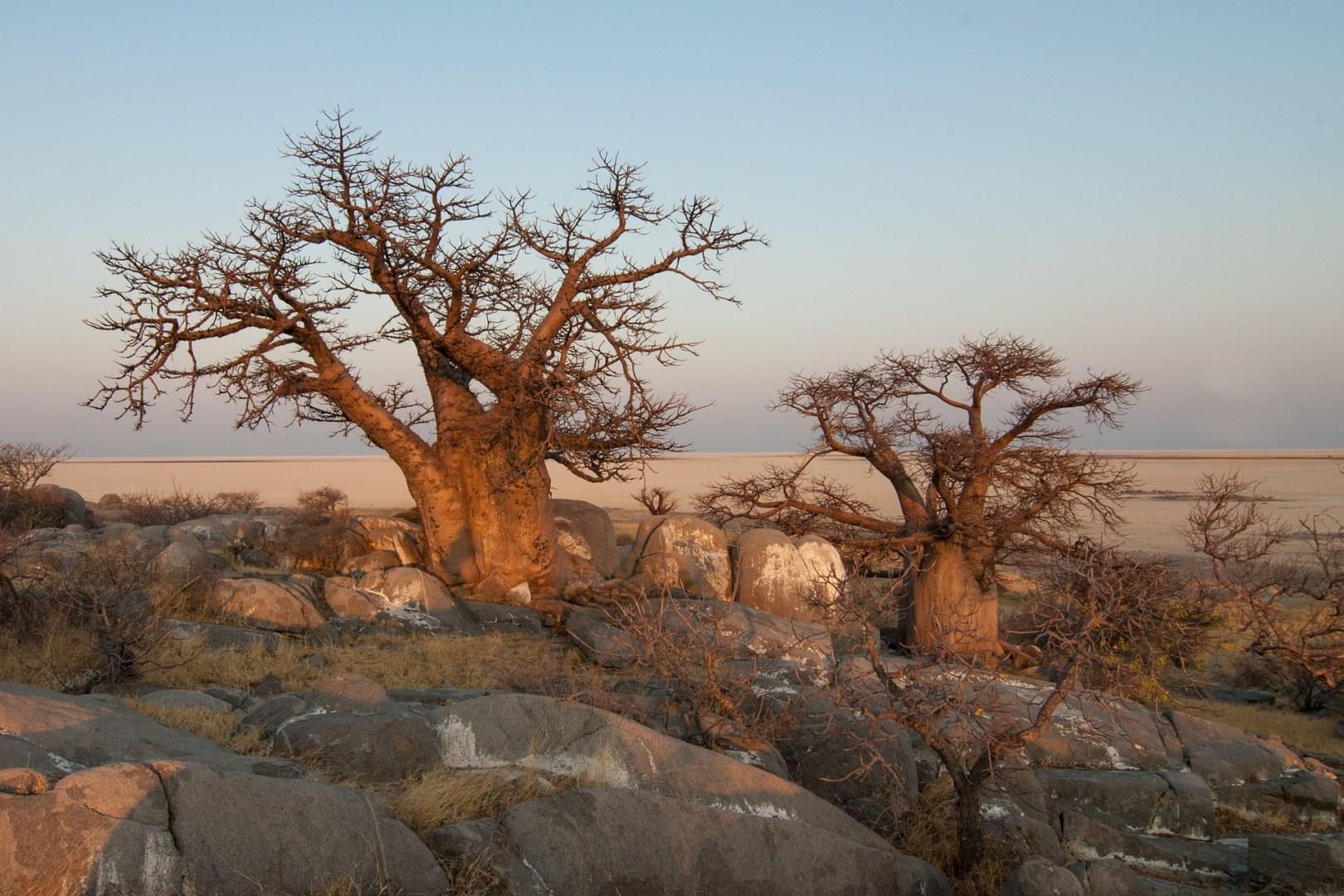
Botswana, a jewel of southern Africa, offers a captivating blend of natural beauty and unique wildlife experiences. The country is renowned for its pristine wilderness areas, including the Okavango Delta, a UNESCO World Heritage site. This sprawling inland delta floods annually, creating a lush oasis in the Kalahari Desert. Here, visitors can explore a maze of waterways and lagoons by traditional mokoro canoe, spotting a rich array of wildlife such as elephants, hippos, and various bird species.
