
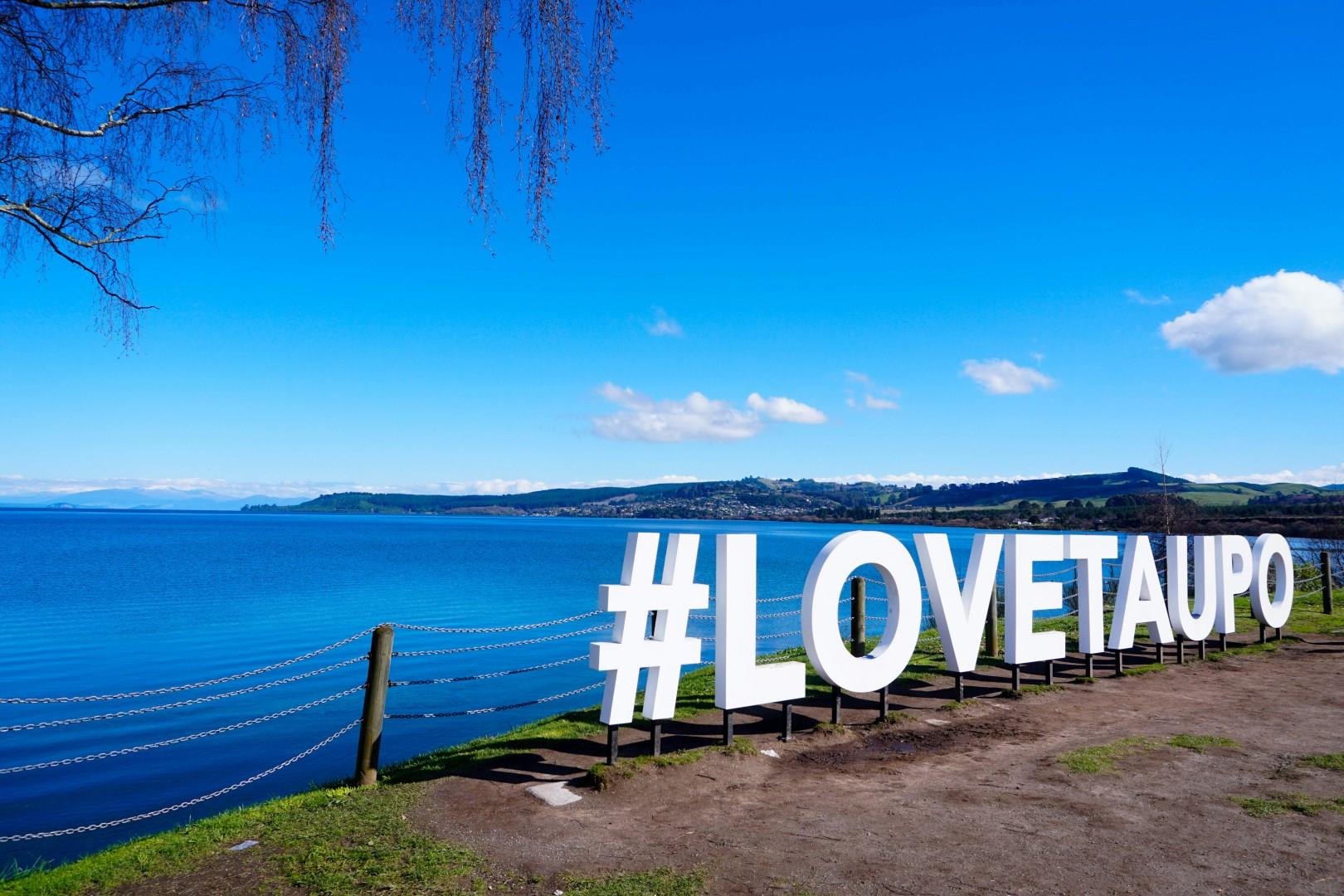
Taupo
Taupō, located in the heart of New Zealand’s North Island, is built along the shores of Lake Taupō, which is the largest freshwater lake in Australasia, formed nearly two thousand years ago by a massive volcanic eruption. That eruption was so powerful, it was recorded in ancient Chinese and Roman texts, even though it occurred halfway across the world. Today, the lake is calm, clear, and central to life in the region, offering everything from trout fishing to kayaking and lakeside cycling.
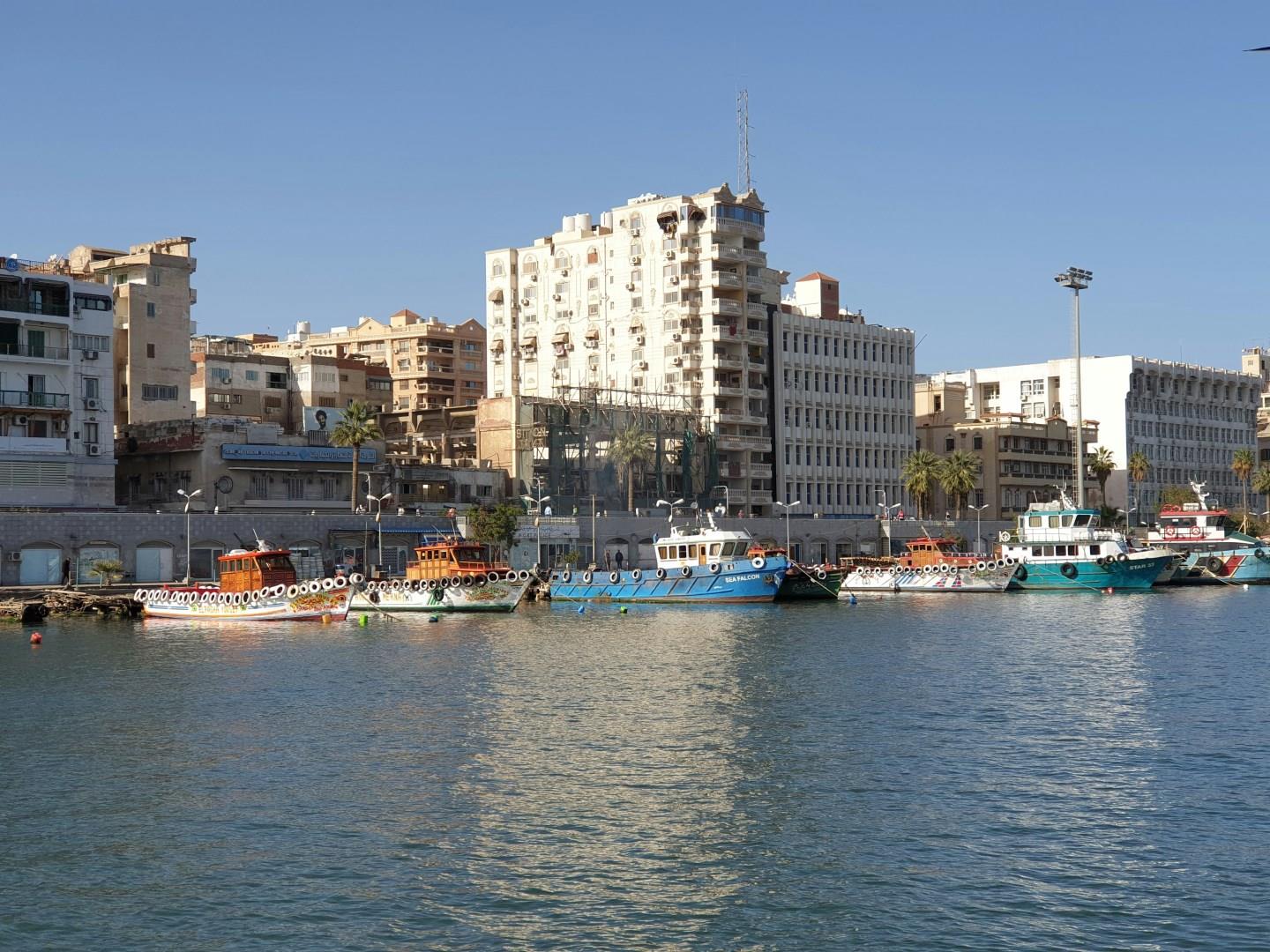
Port Said
Egypt’s Port Said sits at the northern entrance of the Suez Canal, where the Mediterranean meets one of the world’s most famous waterways.

Stykkishólmur
Nestled on the northern coast of Iceland's Snæfellsnes Peninsula, Stykkishólmur is a charming coastal town known for its scenic beauty and maritime heritage. Often referred to as the gateway to the Westfjords, Stykkishólmur is the ideal base for exploring the stunning landscapes of this less-traveled part of Iceland. The town's picturesque harbor, lined with colorful houses and fishing boats, offers a quintessential Icelandic coastal experience.
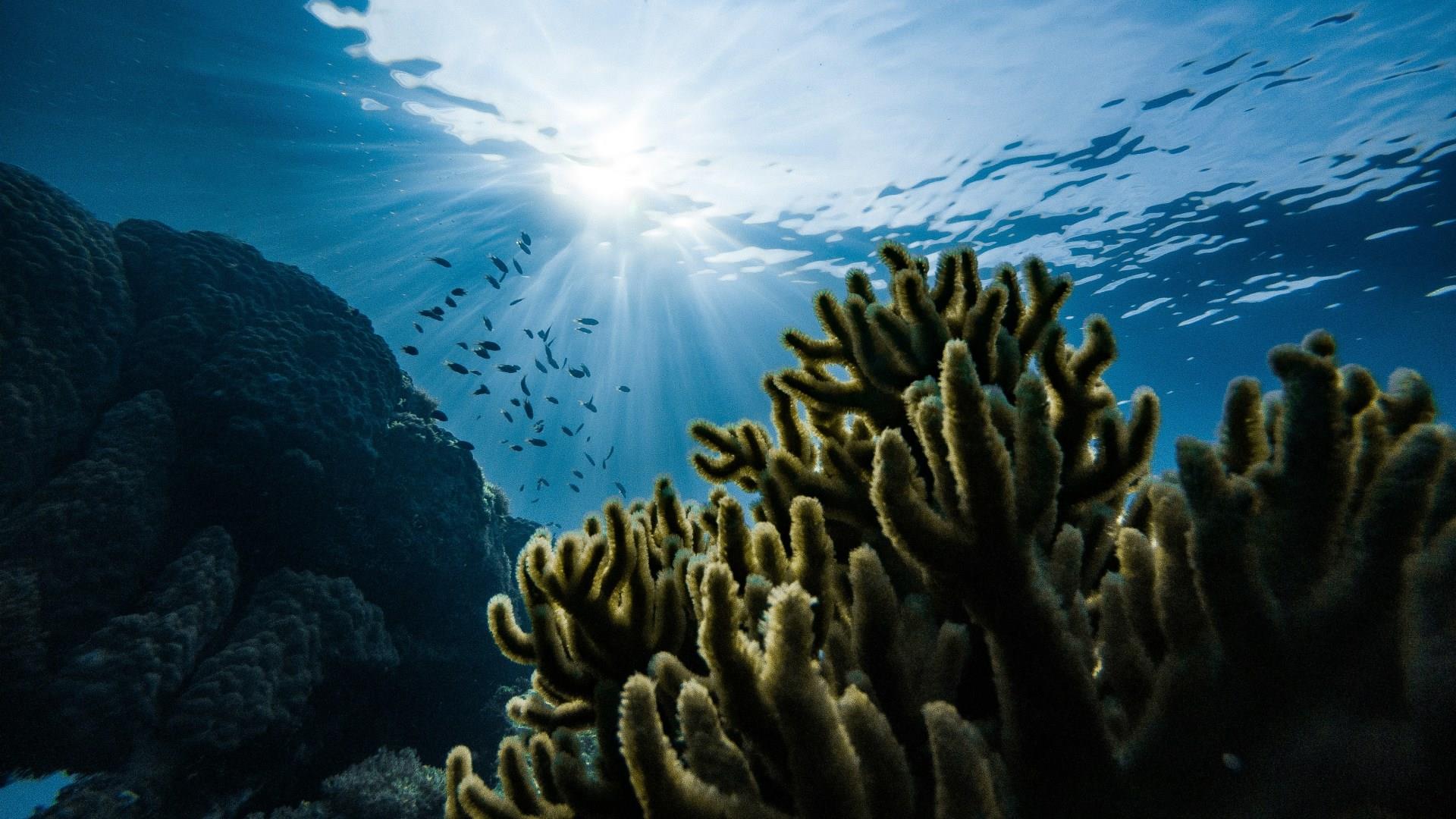
Chuuk
Chuuk, one of the four states of the Federated States of Micronesia, is best known for its vast lagoon which is one of the largest enclosed lagoons in the world. But what sets Chuuk apart is what lies beneath those calm blue waters: an entire underwater fleet of sunken warships, aircraft, and submarines left from World War II. Often called the "Ghost Fleet of Truk Lagoon," these wrecks make Chuuk a global destination for experienced divers.
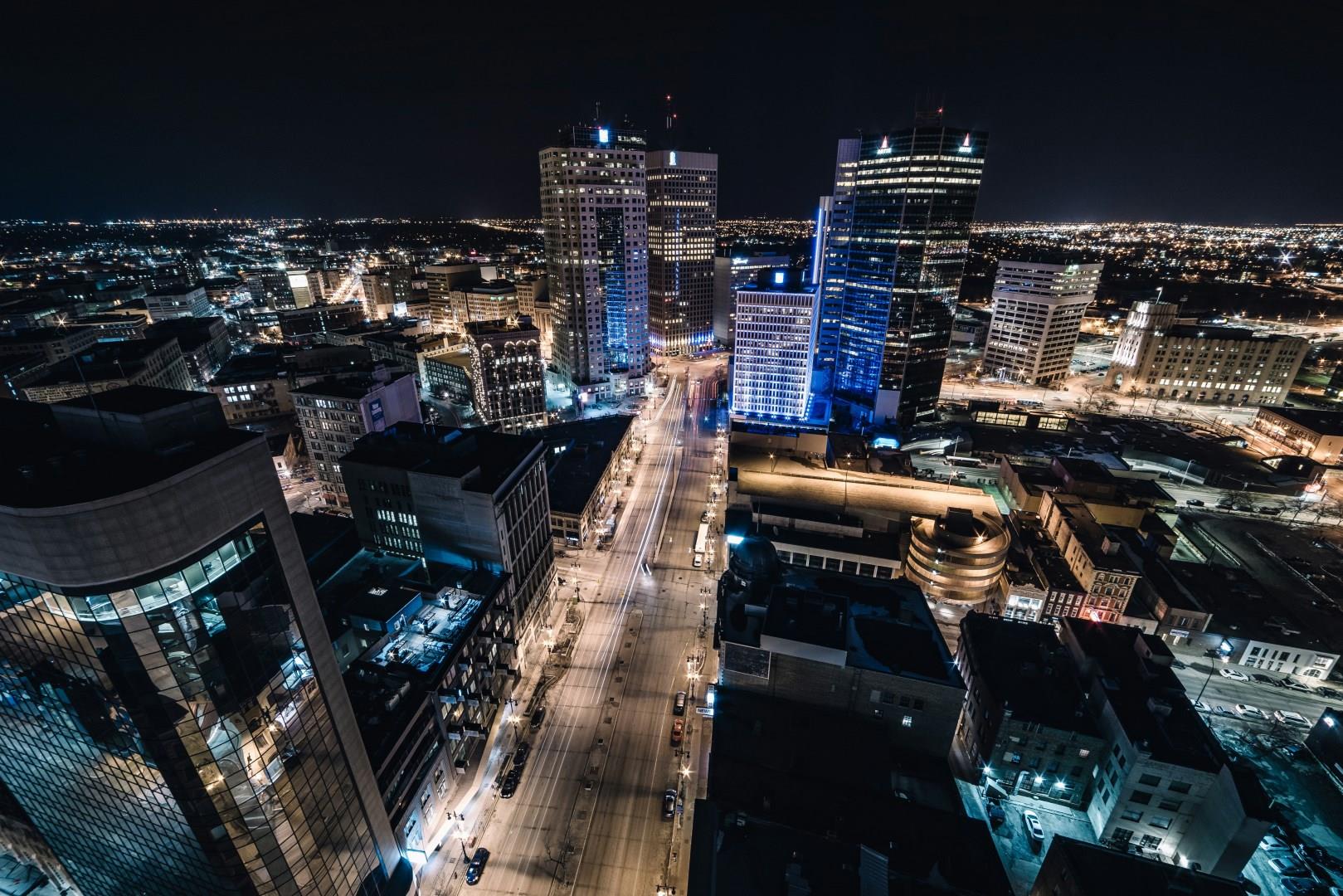
Winnipeg
Winnipeg sits at the meeting point of the Red and Assiniboine rivers, a location that has shaped its role as a gathering place for thousands of years. Long before it became a modern city, the area was central to Indigenous trade networks, a legacy that remains visible today through institutions like The Forks and the Canadian Museum for Human Rights.
