

St. Kitts
St. Kitts, part of the twin-island federation of Saint Kitts and Nevis, is known for its volcanic landscape, coastal plains, and long stretches of shoreline. The island’s layout is shaped by its central peaks, including Mount Liamuiga, which rises above surrounding farmland and villages. Basseterre, the capital, serves as the main hub for commerce and government, with a harbor that regularly receives cruise ships.

Aomori
One of Japan's 60 core cities, Aomori is well-known for its beautiful landscapes. Favorite landscapes include the Hakkoda Mountains and Lake Towada. Another of the city's highlights is the Nebuta Matsuri, an annual festival known for its daily parade of giant, colorful lantern floats.

Cagliari Sardinia
Cagliari is Sardinia's capital and largest city. Several civilizations have left their imprint here architecturally and culturally. Must-sees include the Museo Archeologico Nazionale di Cagliari, with its Roman and Byzantine treasures, as well as Castello, a medieval quarter situated on a hill above the city. The city is also known for its food and vibrant nightlife.
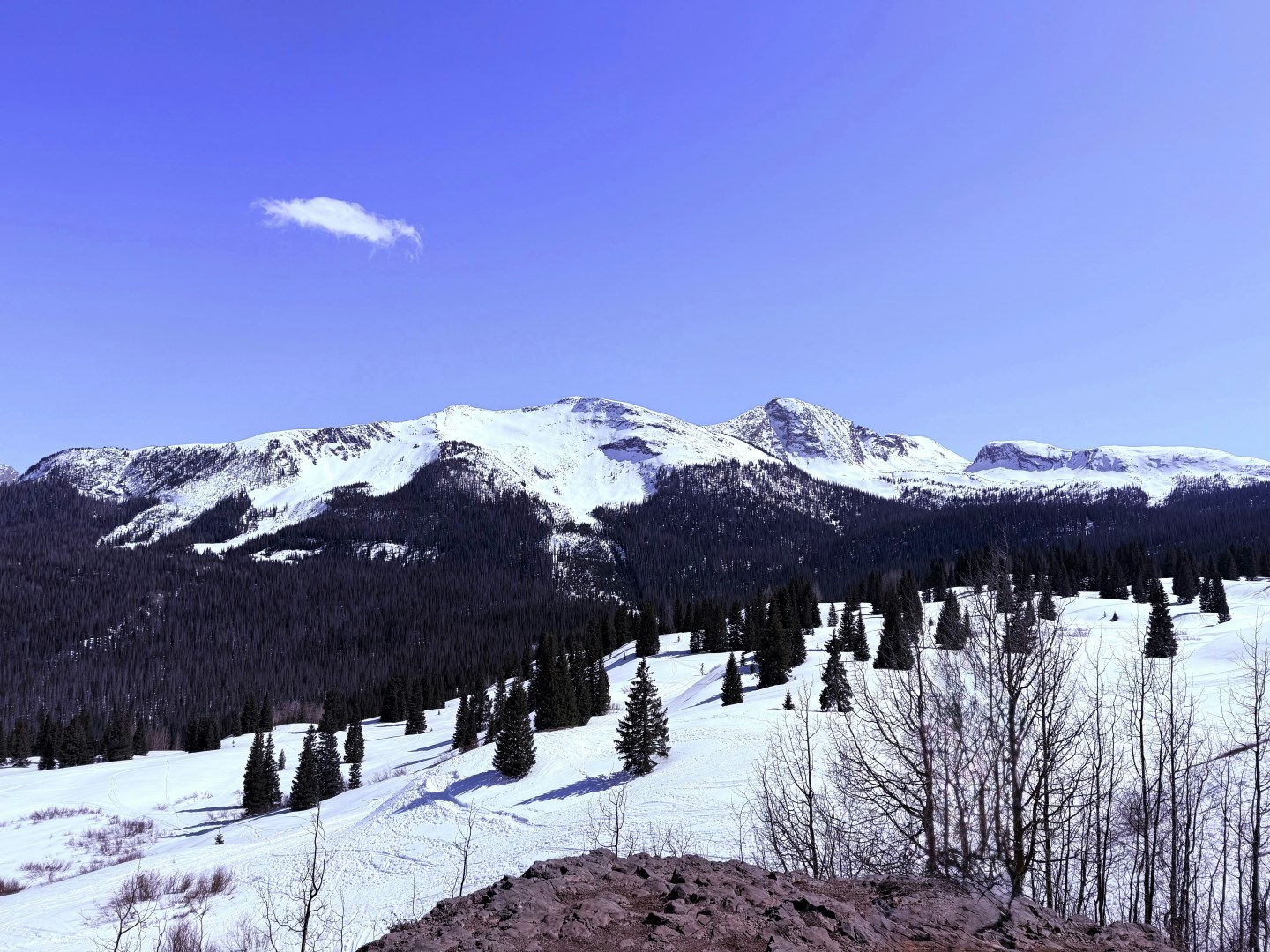
Silverton
Silverton is a small mountain town in southwestern Colorado, surrounded by the San Juan Mountains at an elevation of over 9,000 feet.

Grand Teton National Park
Grand Teton National Park, located in northwestern Wyoming, offers a breathtaking panorama of rugged mountain landscapes and pristine wilderness. Dominated by the imposing Teton Range, the park’s dramatic peaks rise sharply from the valley floor, creating one of the most striking mountain vistas in the United States. The Tetons are renowned for their stunning granite spires, including the iconic Grand Teton, which reaches 13,775 feet and is a favorite among climbers and photographers alike.
