
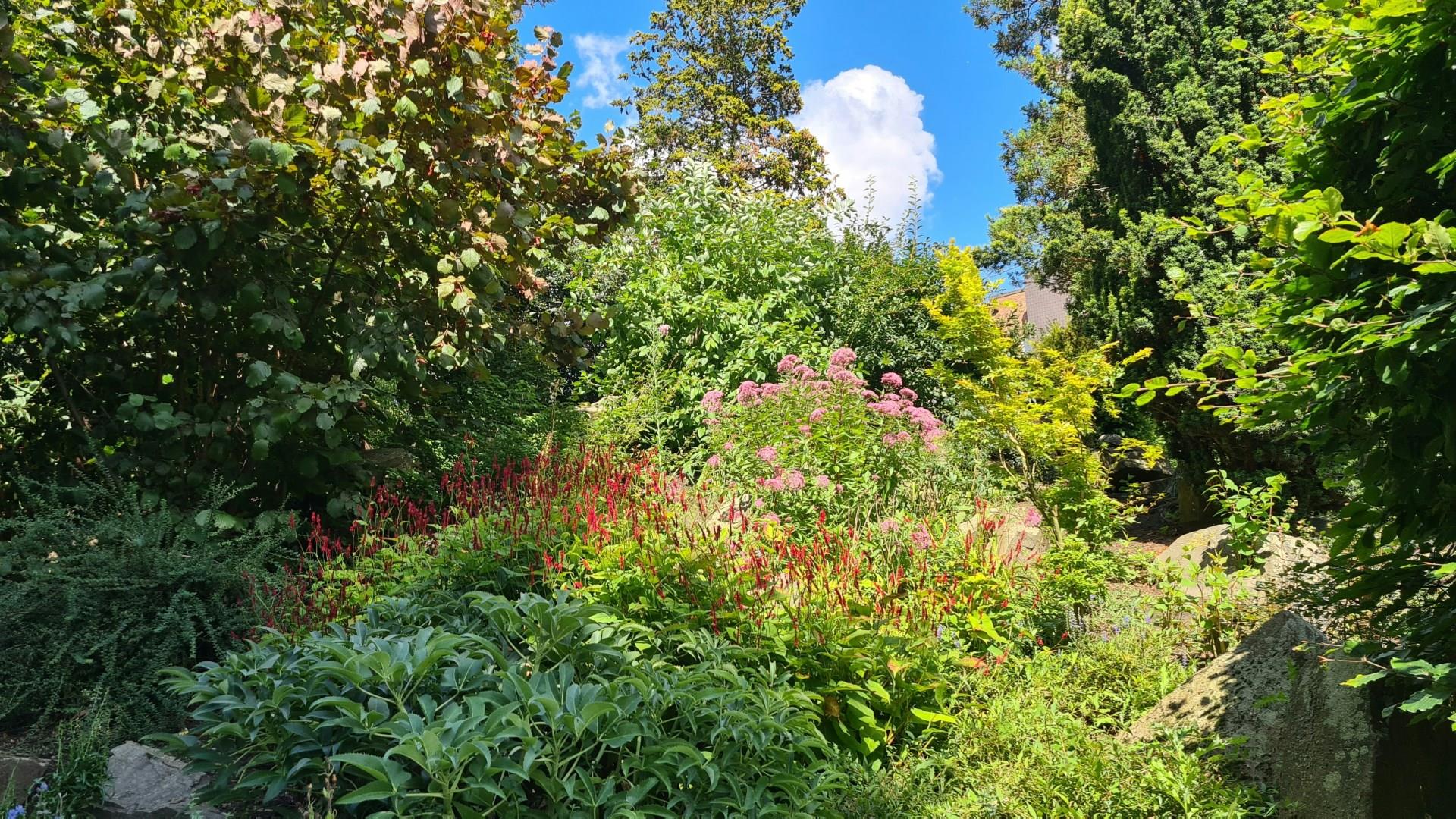
Liège
Liège, located along the Meuse River in eastern Belgium, is a city shaped by industry, resilience, and an independent spirit that dates back centuries. Once the capital of a powerful prince-bishopric, Liège has always done things its own way and is lived-in and layered with working neighborhoods, student cafés, and markets that tell the city’s real story. Every Sunday, locals gather at La Batte, one of the oldest and largest outdoor markets in Belgium.
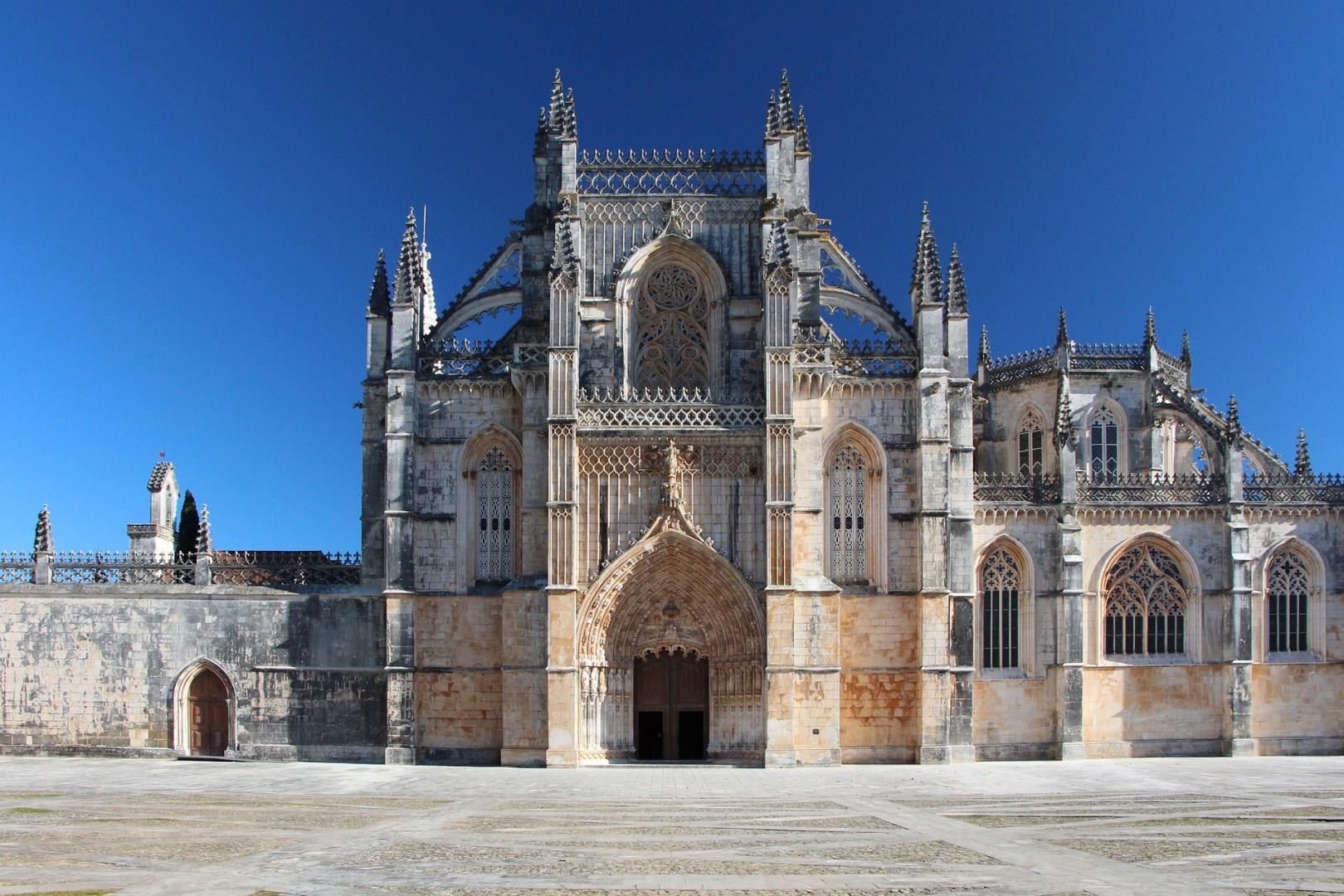
Batalha
Batalha, a small town in central Portugal, is steeped in history and home to one of the country’s most magnificent monuments, the Batalha Monastery. This UNESCO World Heritage Site, also known as the Monastery of Santa Maria da Vitória, was built to commemorate the Portuguese victory over Castile at the Battle of Aljubarrota in 1385. I

Nova Scotia
Nova Scotia covers an area of 21,425 sq. miles, and Halifax is the capital. This is an area rich in history — Gaelic is still spoken here in some areas by descendants of the early settlers. The coast is peppered with fishing villages, and inland the climate boasts sprawling valleys and rocky headlands.
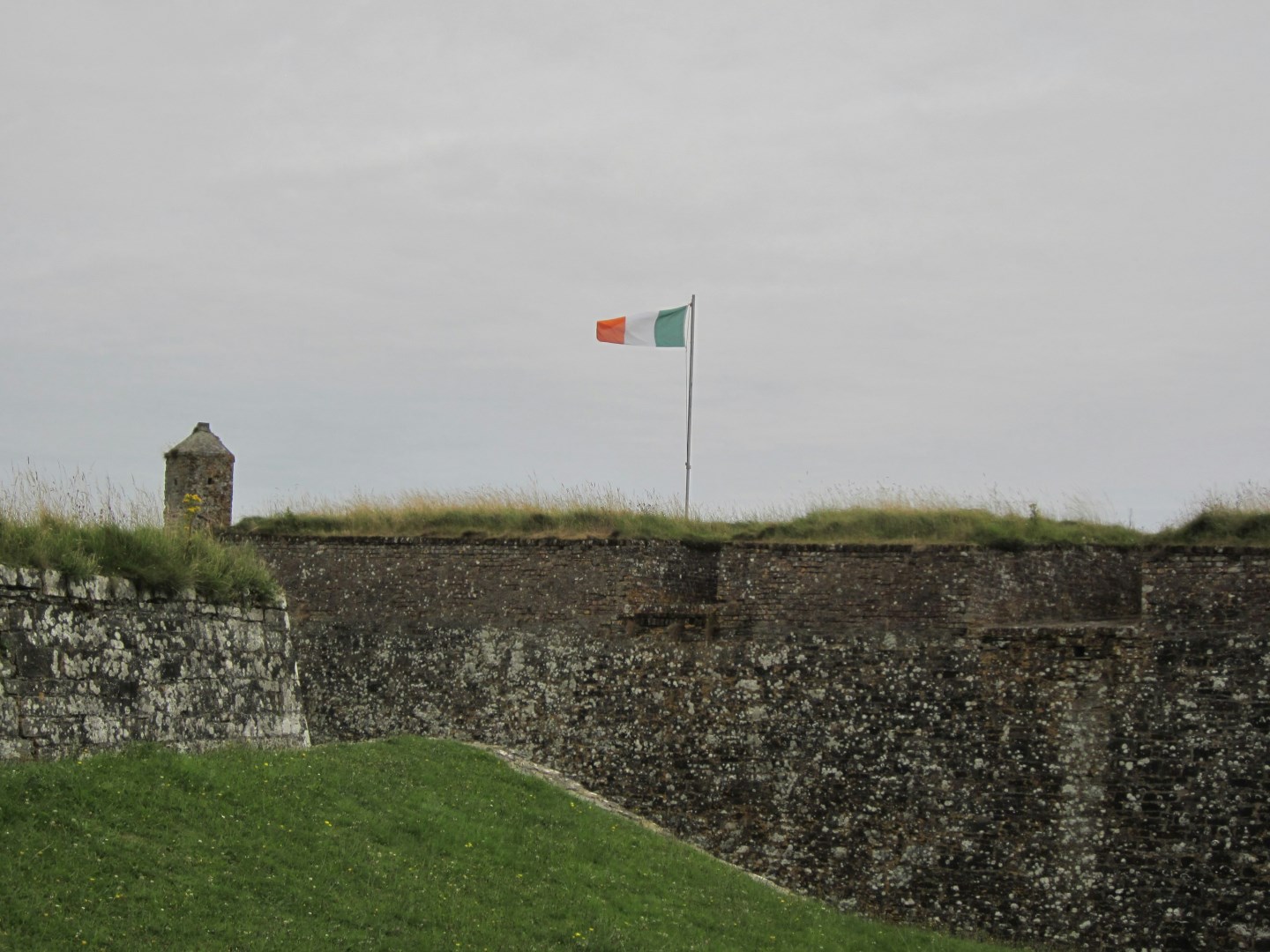
Kinsale
Kinsale is a coastal town in County Cork, Ireland, situated at the mouth of the River Bandon. It is known for its deep natural harbor, narrow streets, and brightly painted buildings that line the town center. Historically a port and fishing settlement, it now functions as a small but active destination with a strong maritime identity.
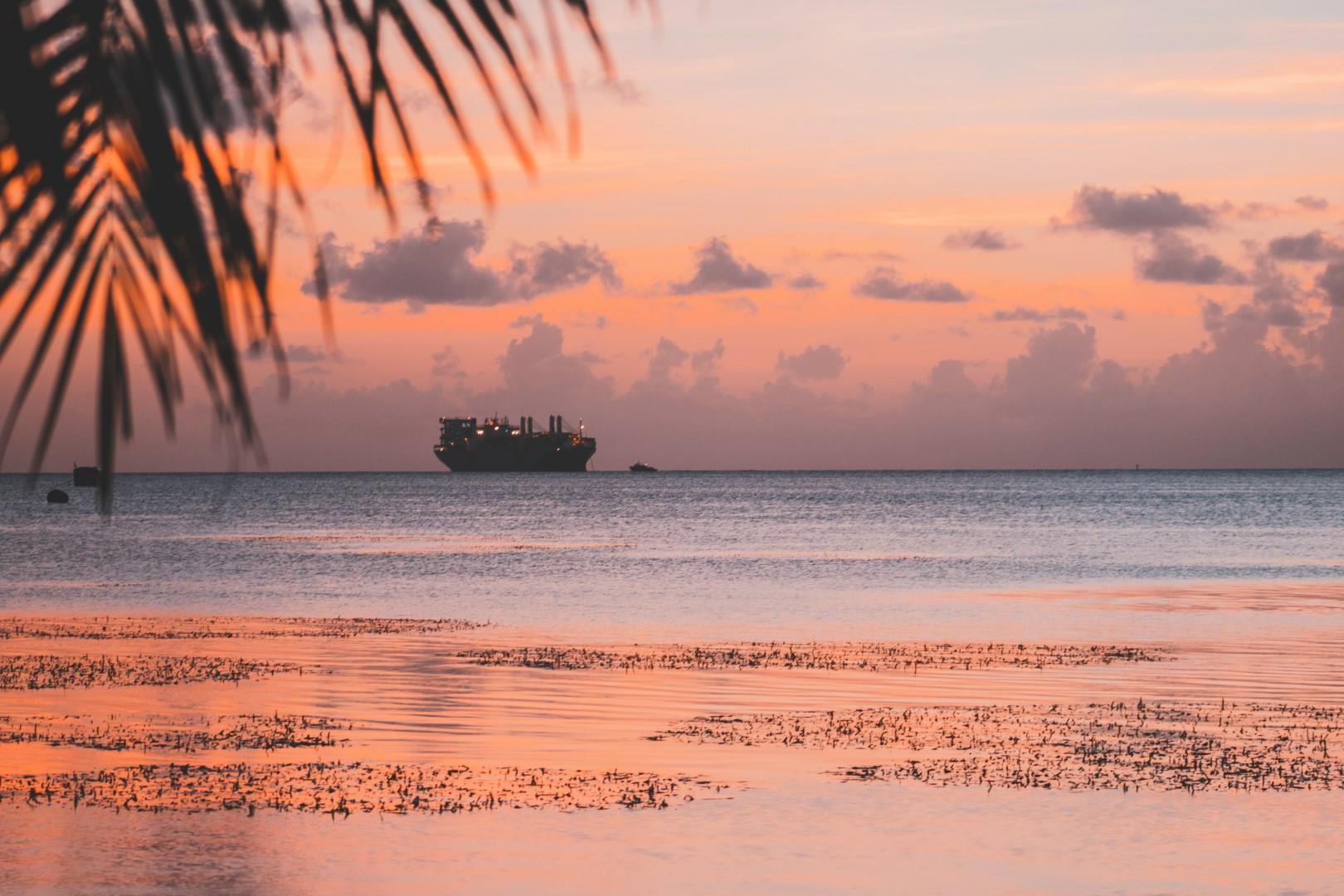
Saipan Island
Saipan, the largest of the Northern Mariana Islands, offers a rare combination of deep historical roots, island traditions, and dramatic landscapes. Located in the western Pacific, this U.S. territory was once the site of one of the most pivotal battles in the Pacific during World War II. Visitors today can explore the remains of bunkers, tanks, and hidden caves at sites like Suicide Cliff, Last Command Post, and the American Memorial Park.
