

Honduras
Honduras, located in the heart of Central America, is a destination that offers both hidden treasures and well-known wonders. The country’s history is deeply tied to the ancient Maya civilization, with the ruins of Copán, a UNESCO World Heritage Site, standing as one of the most impressive archaeological sites in the region.
La Rioja
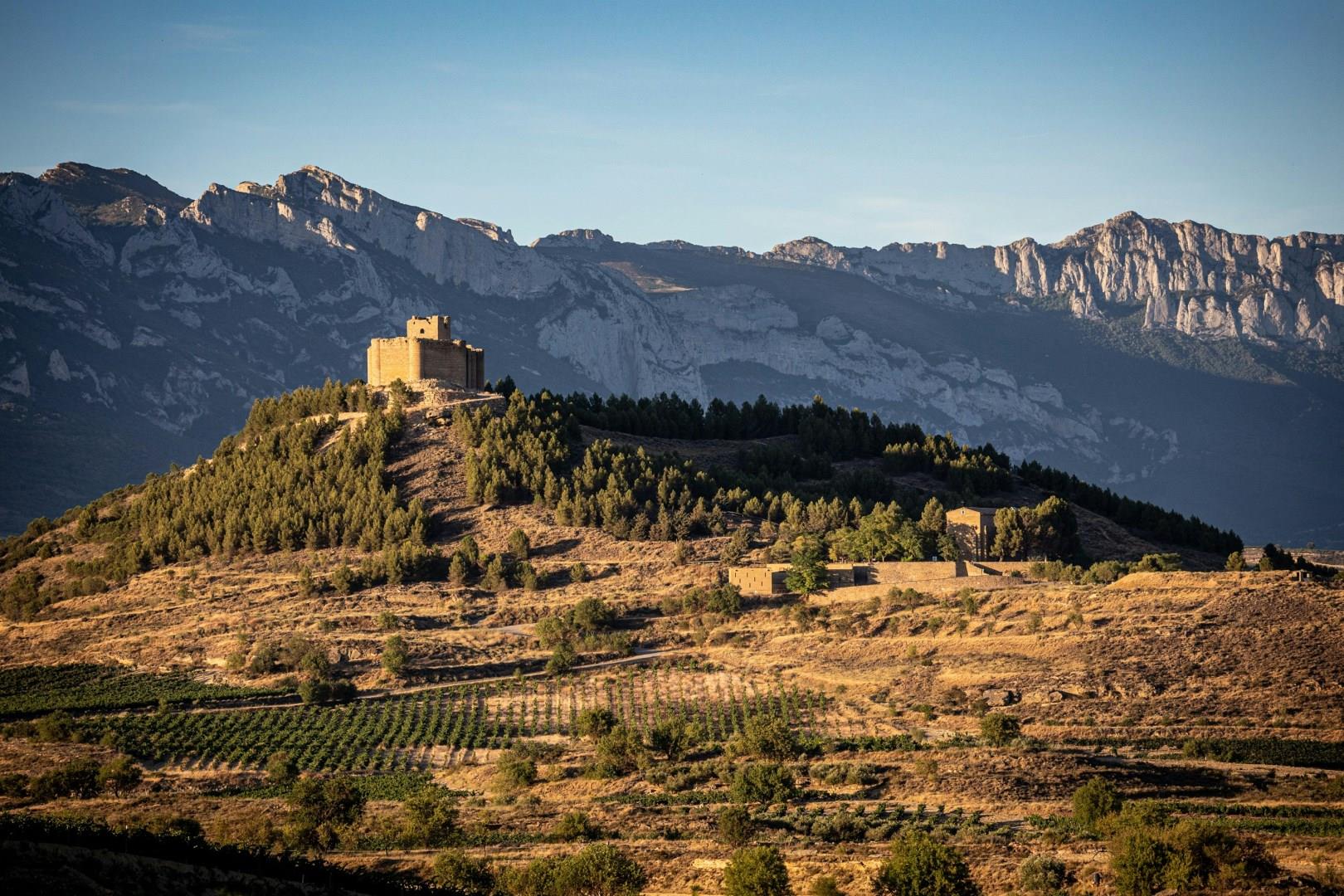
La Rioja, located in northern Spain, is best known for its wine, but the region offers much more than vineyard views. Its capital, Logroño, sits along the Camino de Santiago and has welcomed travelers for centuries. The city’s historic center is compact and lively, with narrow streets lined by centuries-old churches, pintxo bars, and quiet plazas.
Peso da Regua
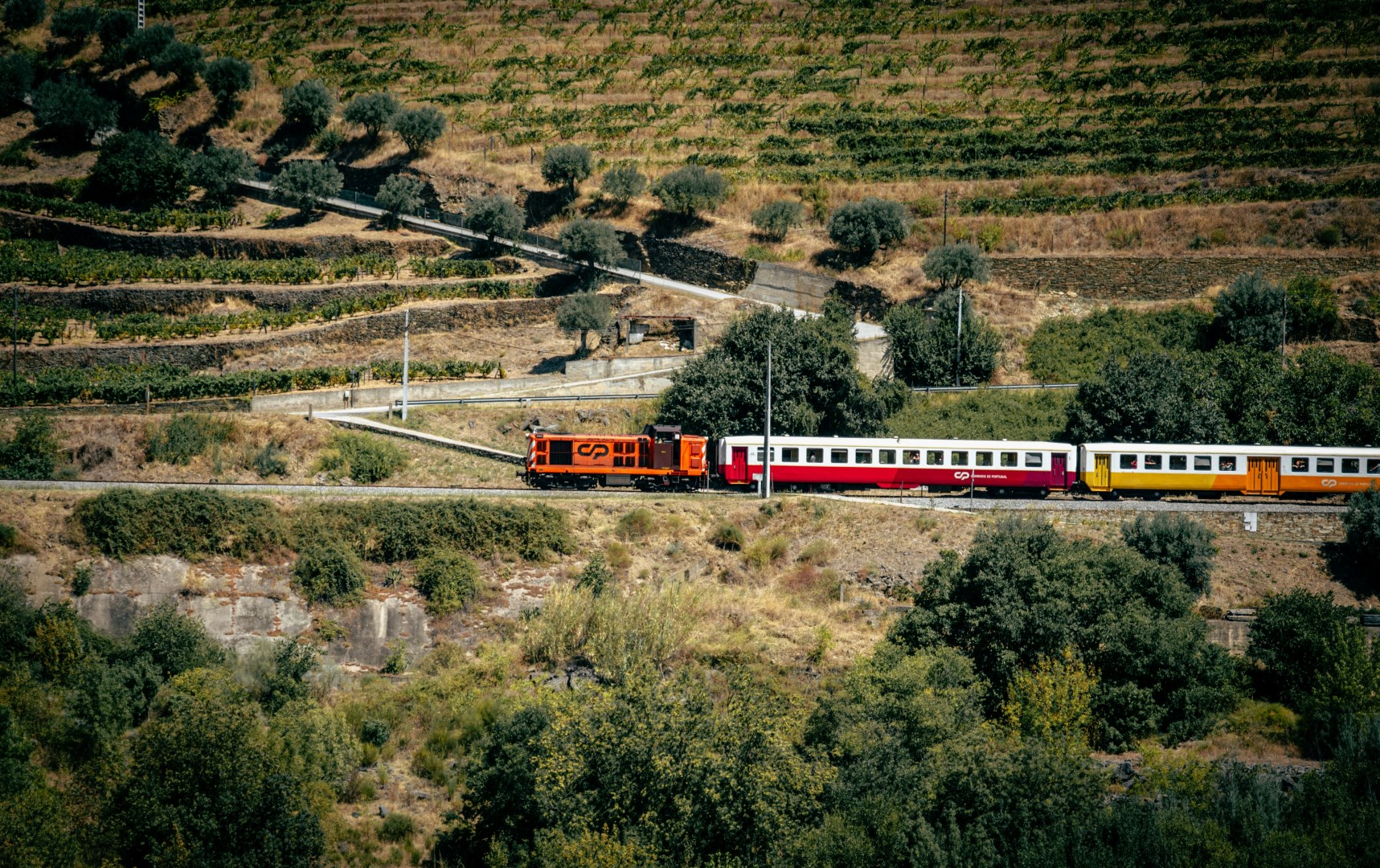
Peso da Régua, often called the gateway to Portugal's Douro Valley, sits along the banks of the Douro River and is surrounded by steep, terraced vineyards. The town has long been central to the production of the world-famous Port wine, and visitors can explore the rolling hills covered with neatly arranged grapevines that climb dramatically from the river’s edge. The town itself offers a quiet riverside charm, with narrow streets, historic buildings, and scenic viewpoints.
Cayenne
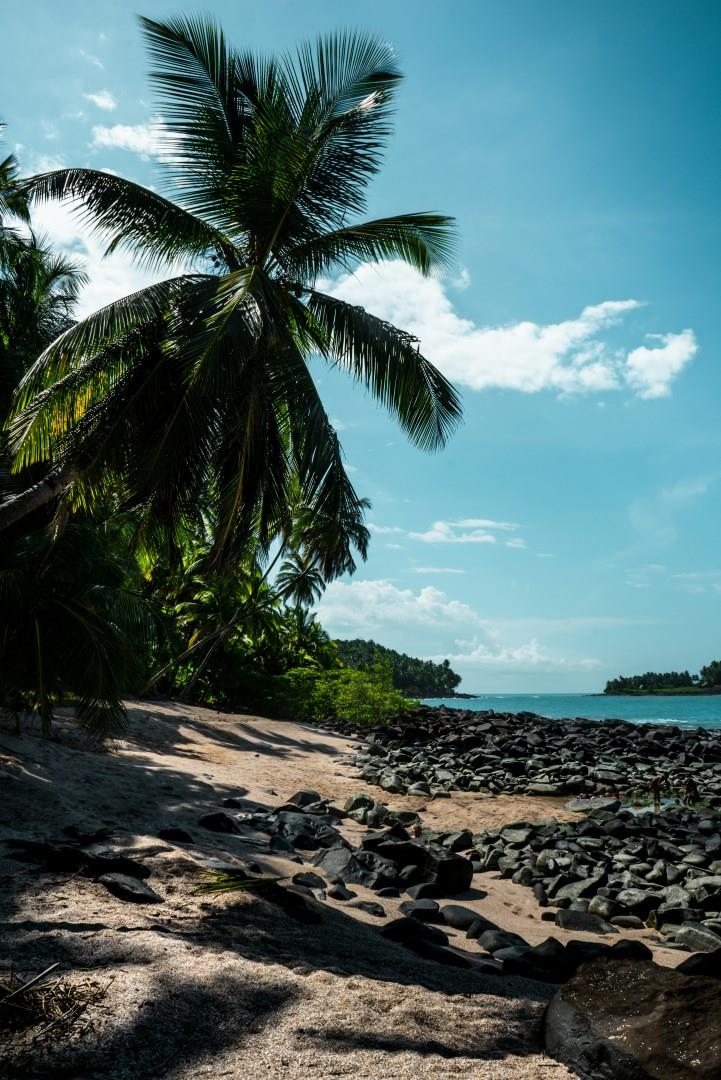
Cayenne, the lively capital of French Guiana, sits where the Cayenne River meets the Atlantic Ocean, blending South American rhythms with French-Caribbean influence. While it's officially part of France, Cayenne feels worlds away from Paris, with colorful markets, colonial architecture, and a language mix that includes French, Creole, Portuguese, and Indigenous dialects.
Providence
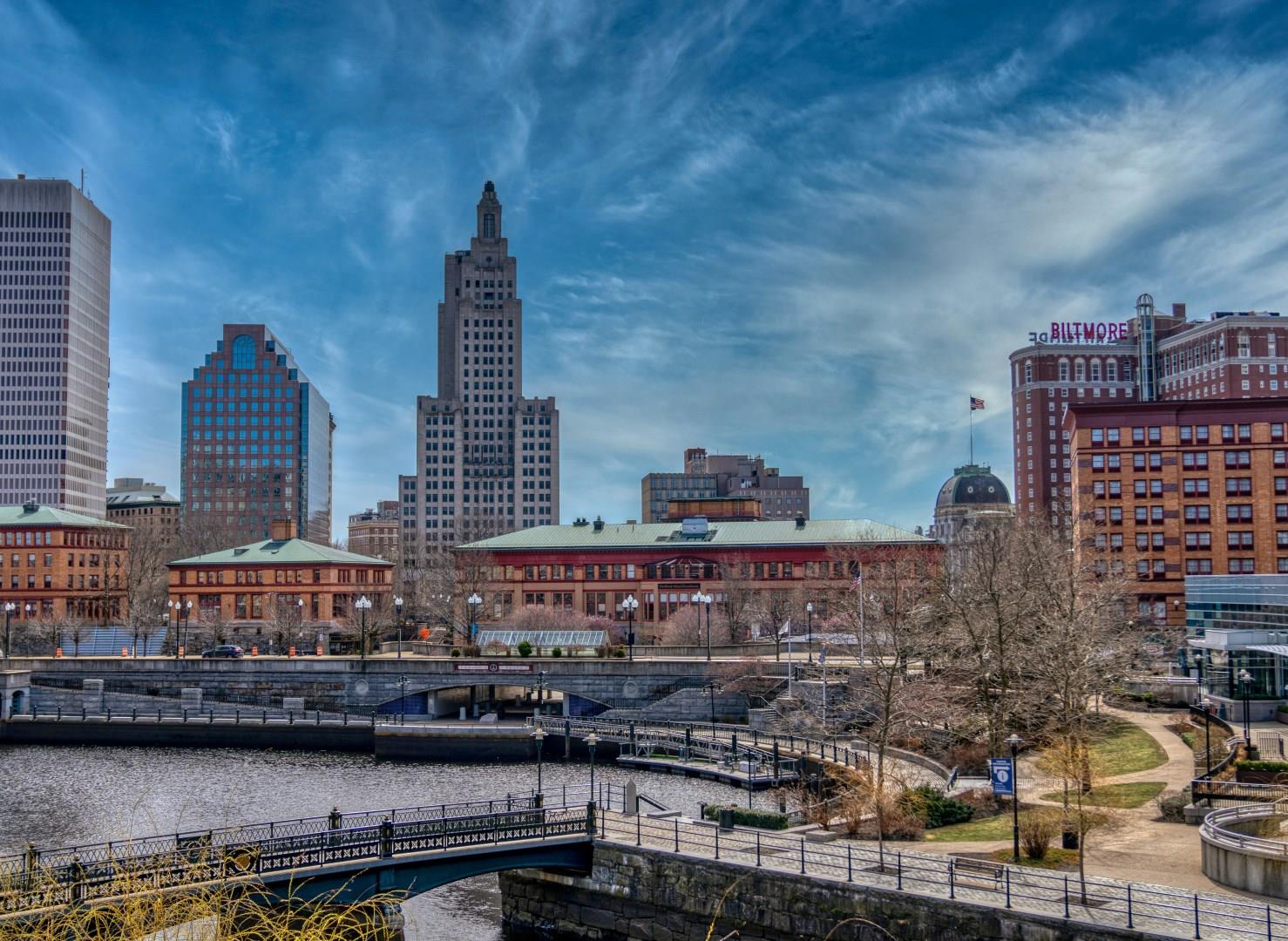
Providence, Rhode Island blends deep colonial roots with a strong creative pulse. Founded in 1636 by Roger Williams, the city became known for its dedication to religious freedom and independent thought. Walking along Benefit Street, visitors pass rows of 18th- and 19th-century homes, many of which are impeccably preserved and marked with historical plaques. The Rhode Island State House, with one of the world’s largest self-supported marble domes, towers over the downtown area and offers public
