

Takoradi
Sekondi-Takoradi, often referred to as the Western Region's commercial hub, is a dynamic urban area brimming with both historical charm and modern vibrancy. The twin cities, Sekondi and Takoradi, offer a unique blend of traditional culture and contemporary development.
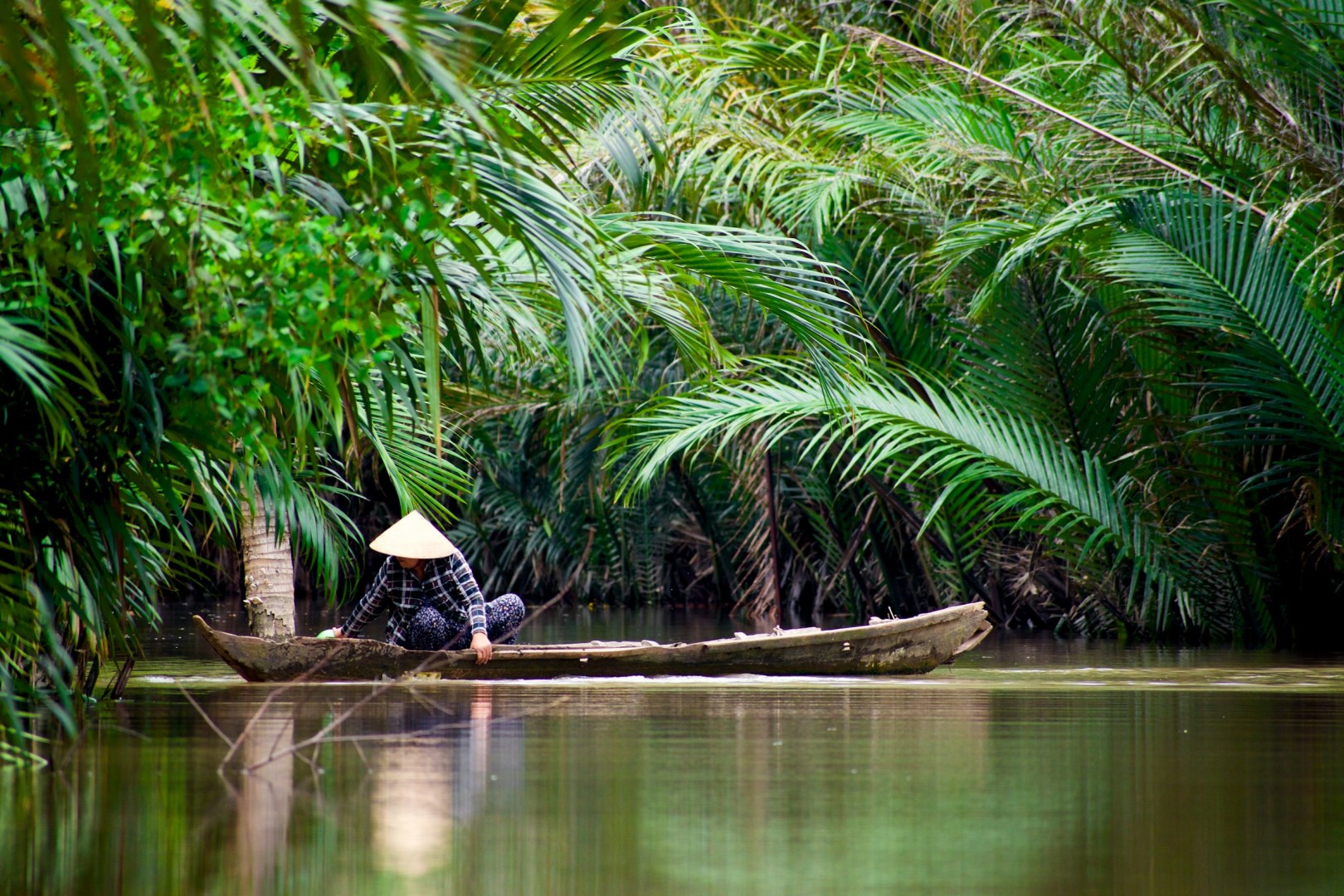
Vietnam
Vietnam is a country where dramatic landscapes and deep-rooted traditions intertwine, creating a mosaic of experiences that stretch from misty northern mountains to the lush waterways of the Mekong Delta. Its history is marked by ancient kingdoms, colonial legacies, and a remarkable story of resilience in the face of conflict.

Cairns
Cairns is the majestic entrance to Australia's Great Barrier Reef. This warm, tropical destination is located in Far North Queensland. Must-see attractions in Cairns include the Tjapukai Aboriginal Cultural Park, which educates tourists about indigenous peoples, and restaurant and bar-dotted Cairns Esplanade, which has a lagoon for swimming.
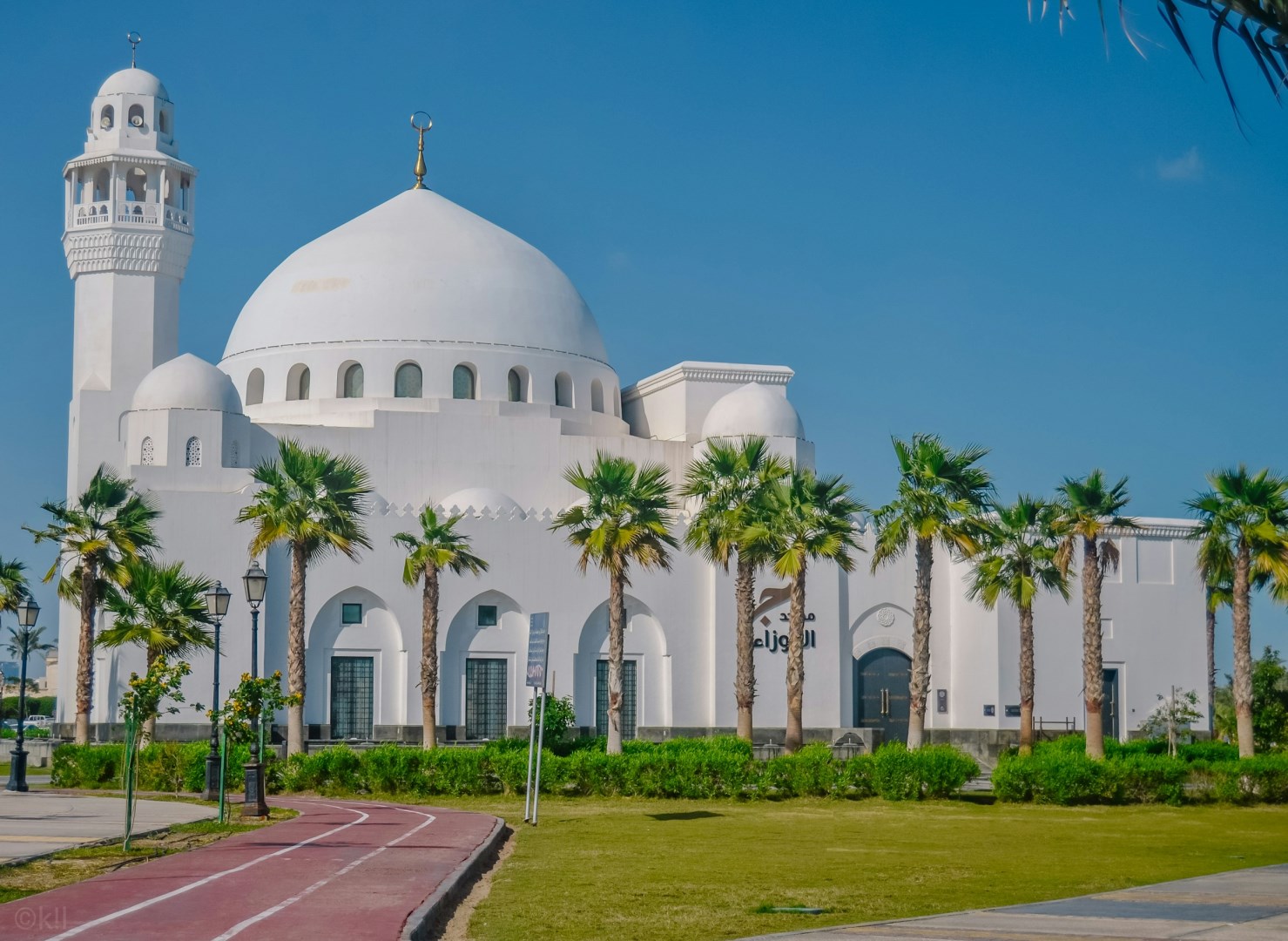
Dammam
Dammam, the capital of Saudi Arabia’s Eastern Province, stands as a vibrant coastal city overlooking the tranquil waters of the Arabian Gulf. Once a modest fishing village, it has transformed into a major commercial and industrial hub, central to the Kingdom’s oil industry and maritime trade.

Qatar
Qatar invites discovery through both its modern ambition and traces of its desert heritage. In Doha, the Museum of Islamic Art, designed by I. M. Pei, rises over the waterfront to display centuries of calligraphy, ceramics, textiles, and metalwork. Nearby, the National Museum of Qatar presents the nation's story through exhibits and architecture shaped like the desert rose. Each space offers both insight and reflection.
