

Czech Republic
The Czech Republic is a country where centuries-old castles, storybook towns, and deeply rooted traditions coexist with vibrant art scenes and local beer halls. Prague draws the most attention, with its Gothic towers, Baroque churches, and the world’s oldest working astronomical clock, still ticking in the Old Town Square.

Ravello
Nestled high on the cliffs of Italy’s Amalfi Coast, Ravello is a gem of medieval charm and stunning vistas. This picturesque town is renowned for its breathtaking views of the Tyrrhenian Sea and its lush gardens, such as the famed Villa Cimbrone.

Maui Island
Maui is a Hawaiian paradise offering an incredible variety of landscapes, experiences, and cultural traditions. Known for its valleys, beaches, and volcanic peaks, Maui attracts visitors who want to immerse themselves in nature and Hawaiian heritage. The island’s crown jewel is Haleakalā National Park, where the massive dormant volcano provides beautiful scenery and unforgettable sunrise views. Visitors can hike through the park or stargaze under one of the clearest night skies in the world.

Lake Louise
Nestled within the stunning Banff National Park in Alberta, Canada, Lake Louise is a paradise for nature lovers and adventure seekers alike. This world-renowned destination is famous for its striking turquoise lake, surrounded by the majestic Rocky Mountains. The lake, often described as one of the most beautiful in the world, is fed by the melting glaciers, creating its characteristic vibrant blue hue.
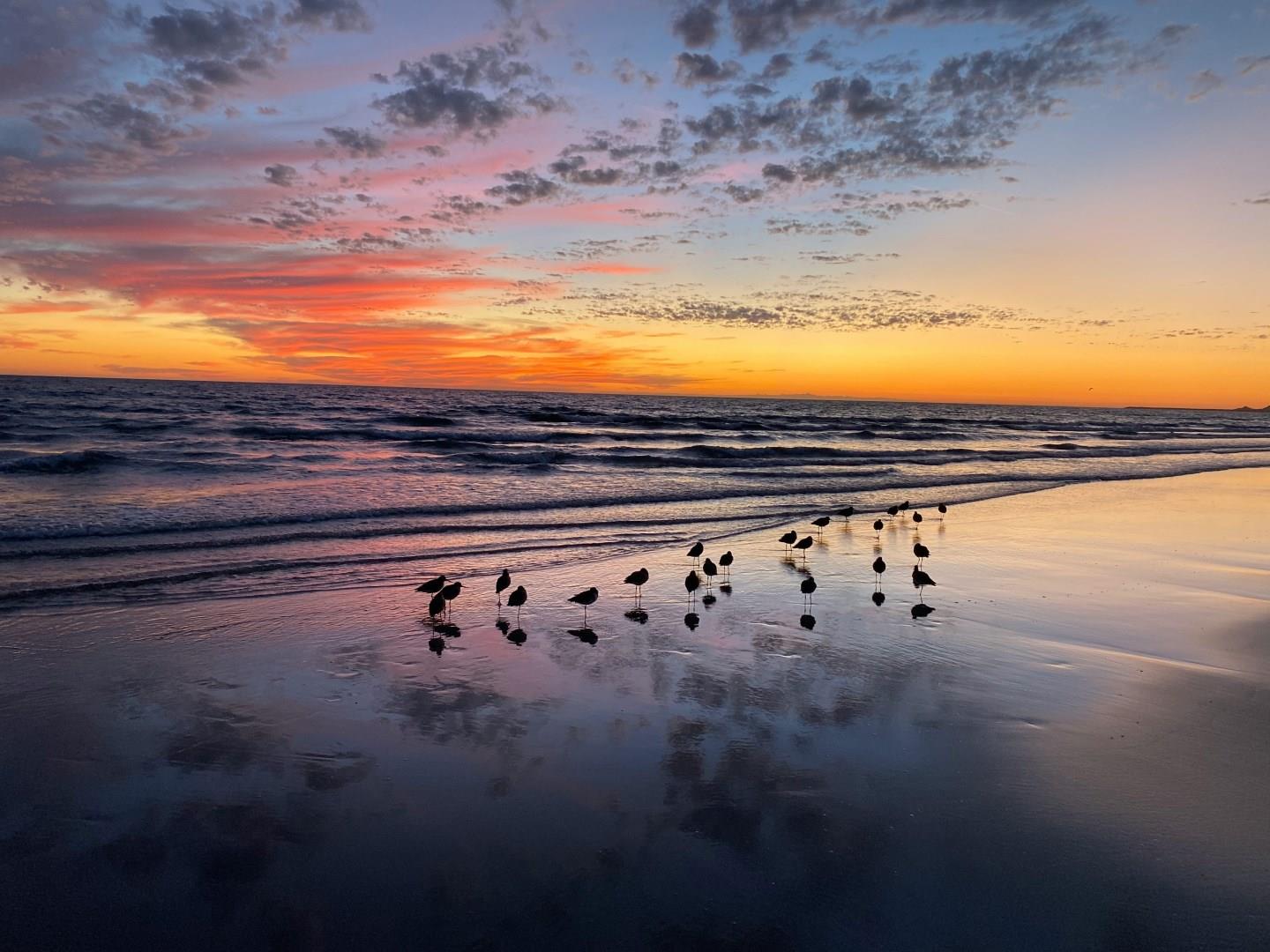
Puerto Penasco
Puerto Peñasco, also known as Rocky Point, rests along the warm waters of the Sea of Cortez in northern Sonora, Mexico. Along its shoreline, Sandy Beach draws visitors with long stretches of walkable sand and calm water, while Playa Hermosa and Playa Mirador offer quieter spots where tide pools appear as the sea pulls back. Boat rides to Bird Island, also known as Isla San Jorge, provide a rare chance to see large colonies of sea lions resting on rocky ledges.
