
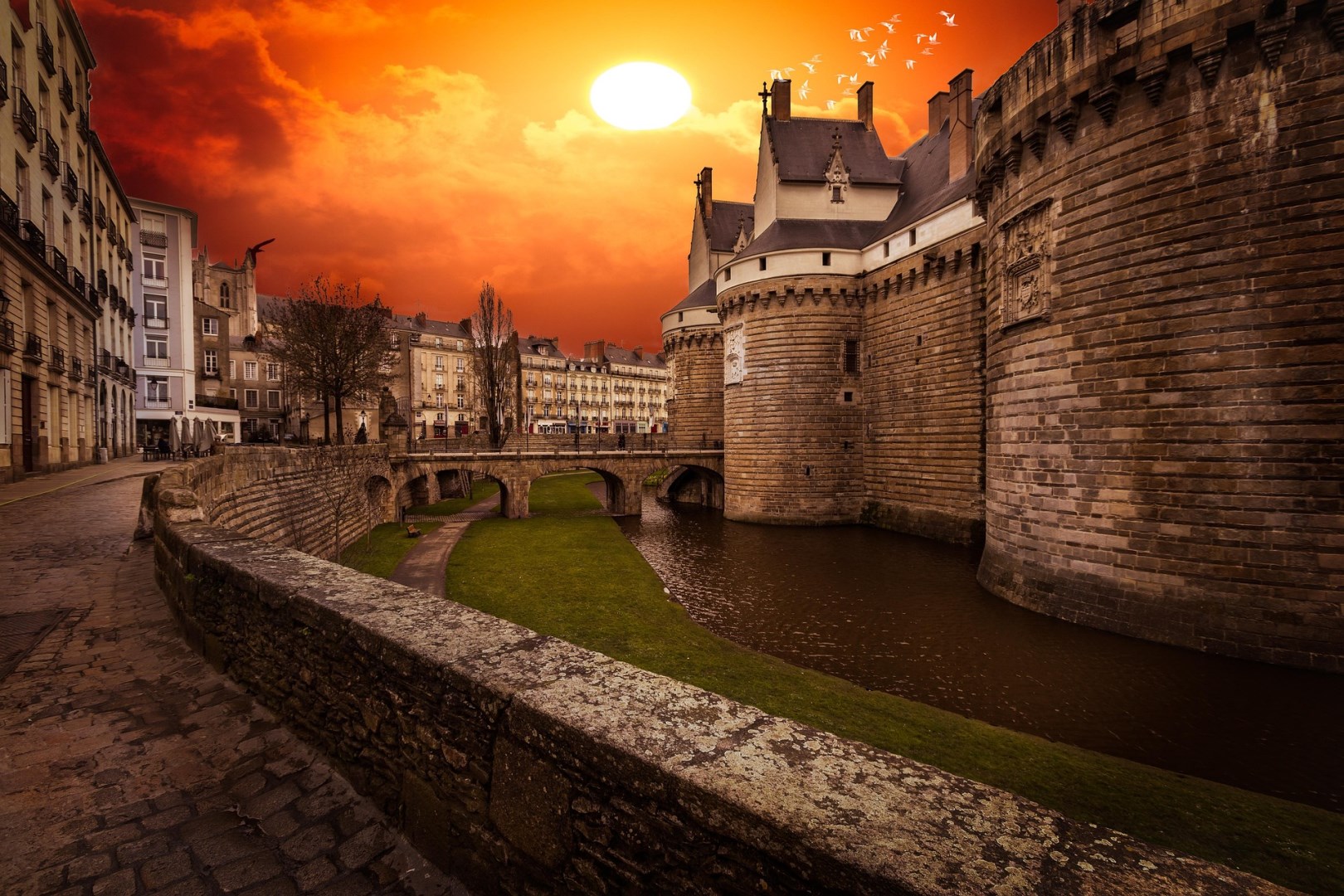
Nantes
Nantes, situated on the banks of the Loire River in western France, is a vibrant city known for its rich history, creative energy, and dynamic cultural scene.
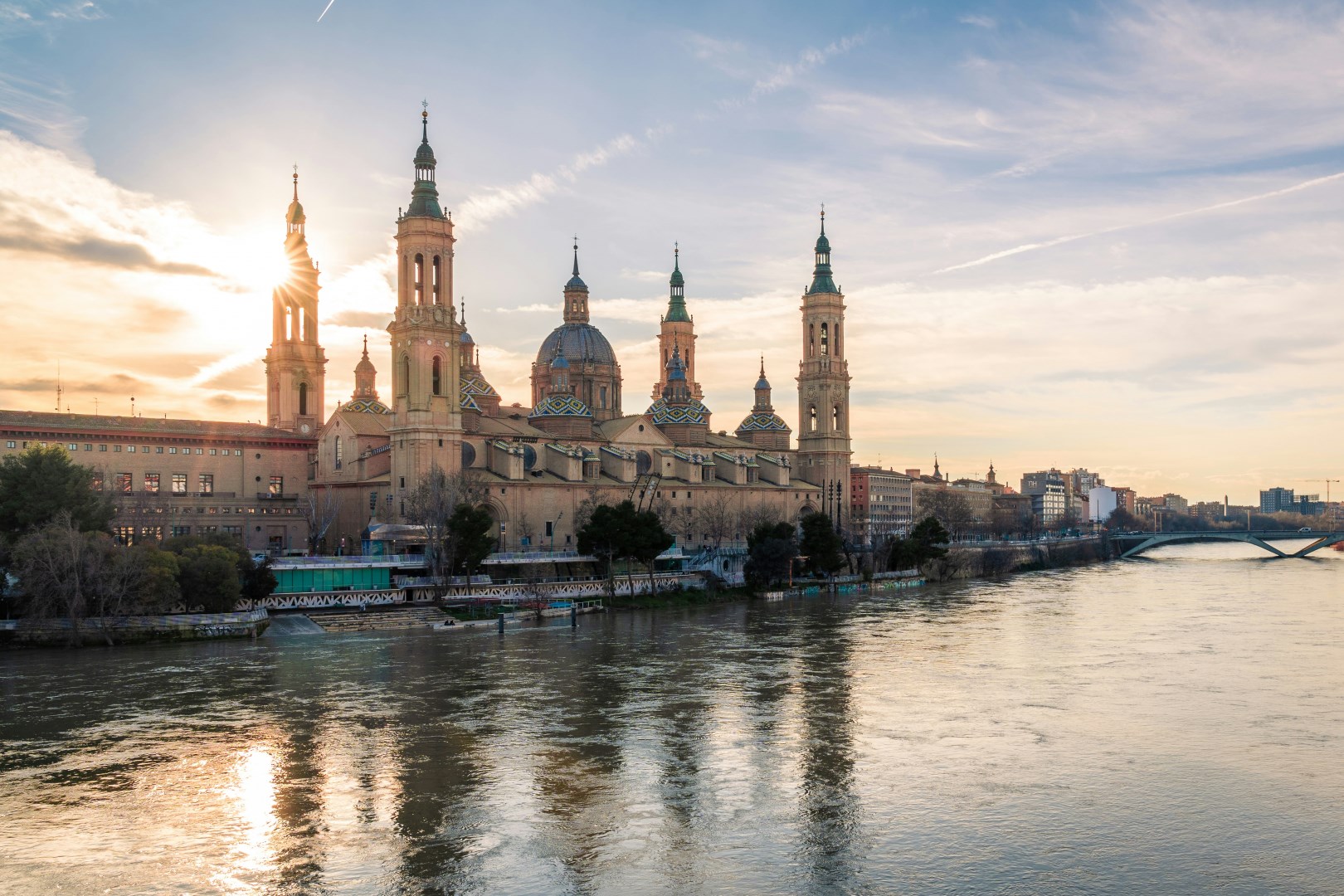
Zaragoza
Zaragoza stands on the banks of the Ebro River in northeastern Spain and serves as the capital of the Aragón region. The city is known for its mix of Roman remains, Islamic influences, Mudéjar architecture, and large Baroque landmarks.

Las Vegas
Las Vegas, Nevada, is an electrifying city where glitz and glamour meet entertainment and excitement. Known as "The Entertainment Capital of the World," Las Vegas offers an unparalleled array of attractions, from its iconic casinos and luxurious hotels to its world-class dining and live shows. The city's entertainment scene is second to none, featuring legendary headliners, cutting-edge performances, and an array of themed attractions.

Vukovar
Vukovar, a city in eastern Croatia, stands as a poignant symbol of resilience and beauty. Its rich history is etched into its architecture and monuments, telling the story of its resilience during the Croatian War of Independence.

Nicaragua
Nicaragua offers travelers a look into centuries of layered history set against striking natural backdrops. Visitors can tour the baroque-style Granada Cathedral, take a boat ride through Las Isletas (a chain of small, volcanic islands in Lake Nicaragua), or climb the bell tower of Iglesia La Merced for sweeping city views.
