

Kodiak
Kodiak Island's primary city, Kodiak is among seven communities on the island. All transportation, whether by ferryboat or aircraft, goes through here.
Branson
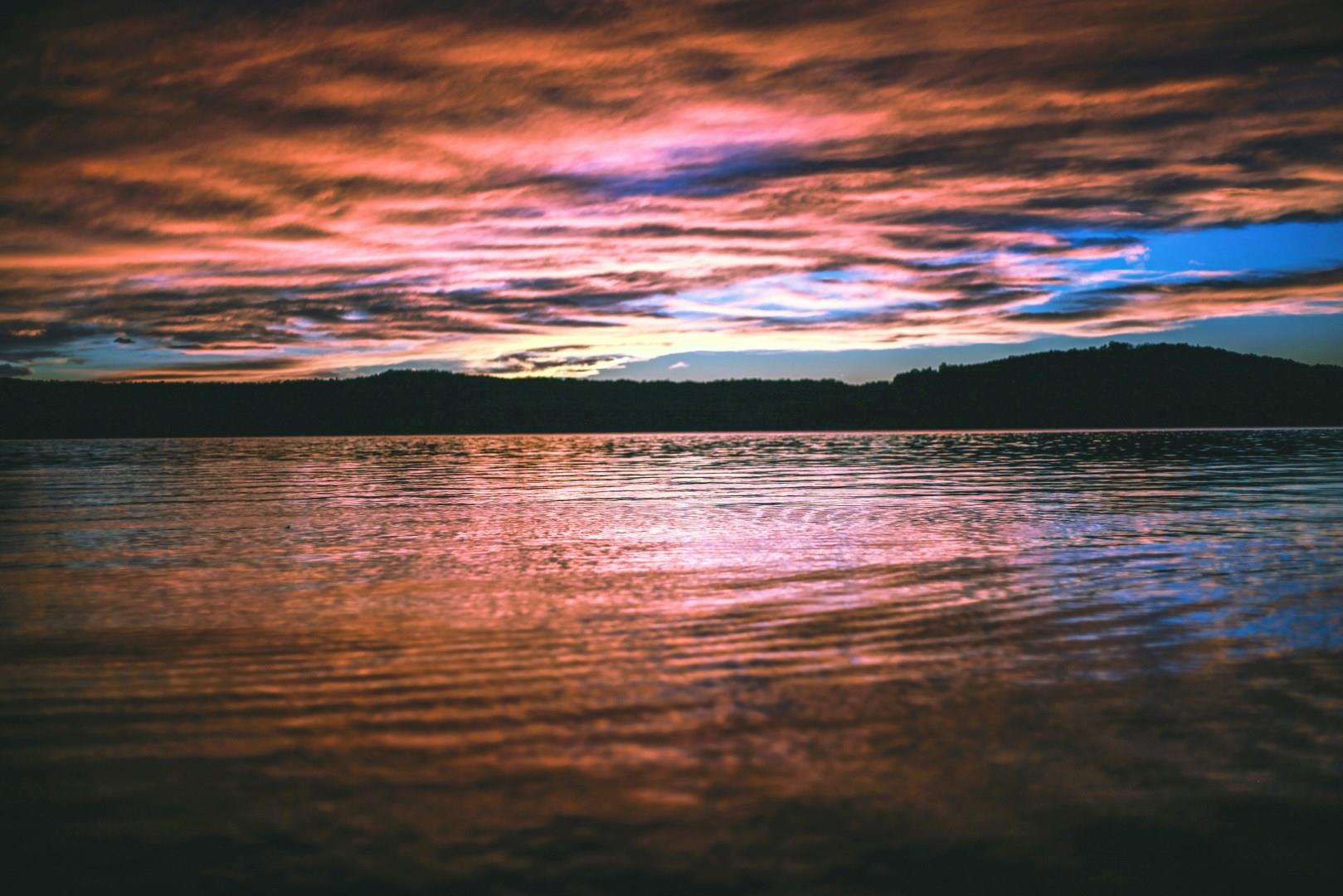
Branson, Missouri may be tucked into the Ozark Mountains, but there's nothing quiet about its entertainment scene. Since the 1960s, the town has built its reputation on live music, with more than 100 shows running at peak season. From country and gospel to comedy and magic, Branson’s theaters offer family-friendly entertainment nearly every night of the week. The Presleys' Country Jubilee, the first show on what is now 76 Country Boulevard, still packs the house after more than 50 years.
Boumalne Dades
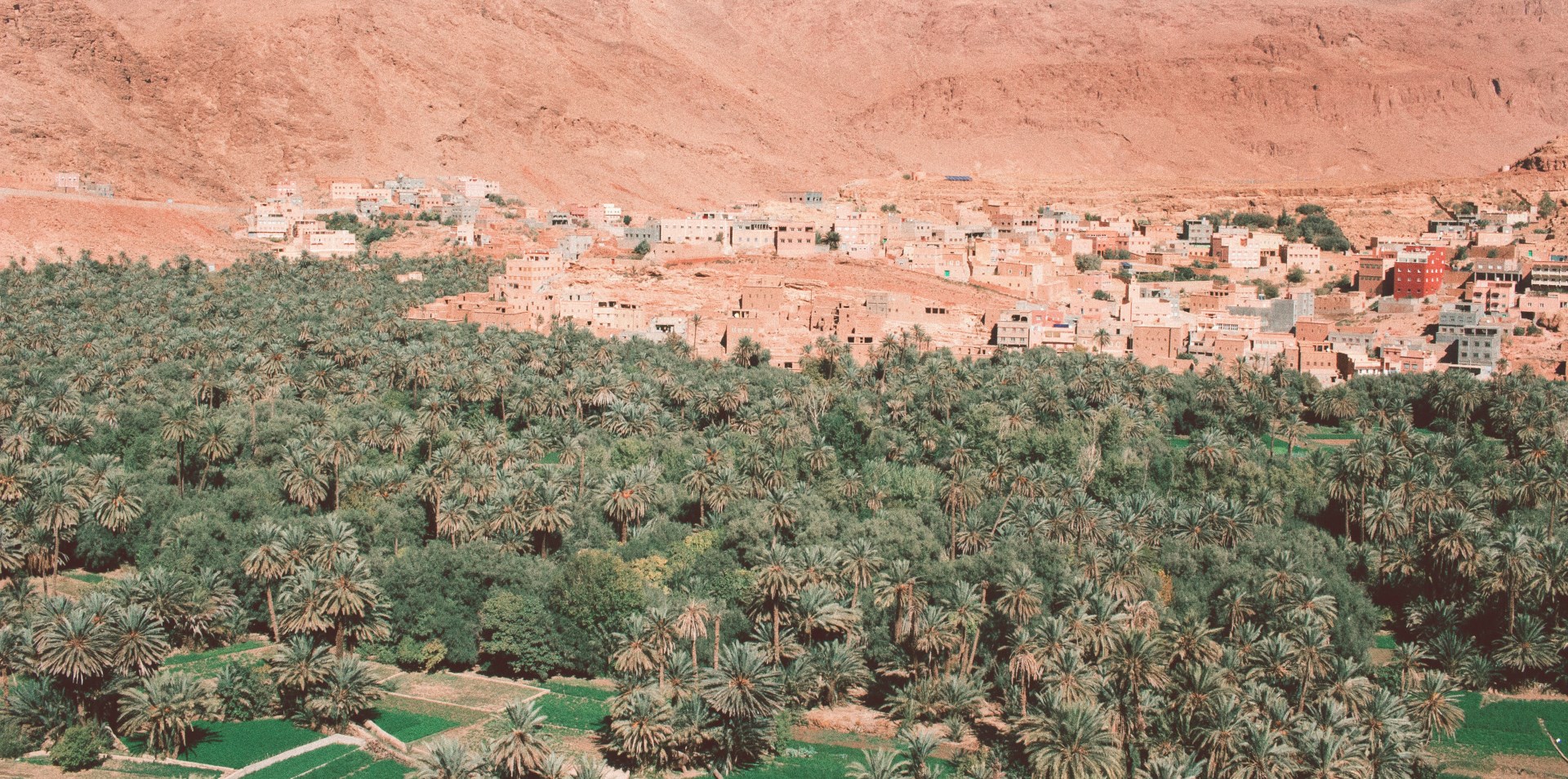
At the edge of the High Atlas Mountains, Boumalne Dades stands as a gateway to one of Morocco’s most striking landscapes. The town stretches along a broad valley where the Dades River cuts through layers of red and ochre rock. This setting creates a dramatic backdrop that shifts in color throughout the day. Travelers often arrive here as a stopping point, but many stay longer after discovering the slower rhythm of village life and the easy access to nearby valleys and gorges.
Norfolk Island
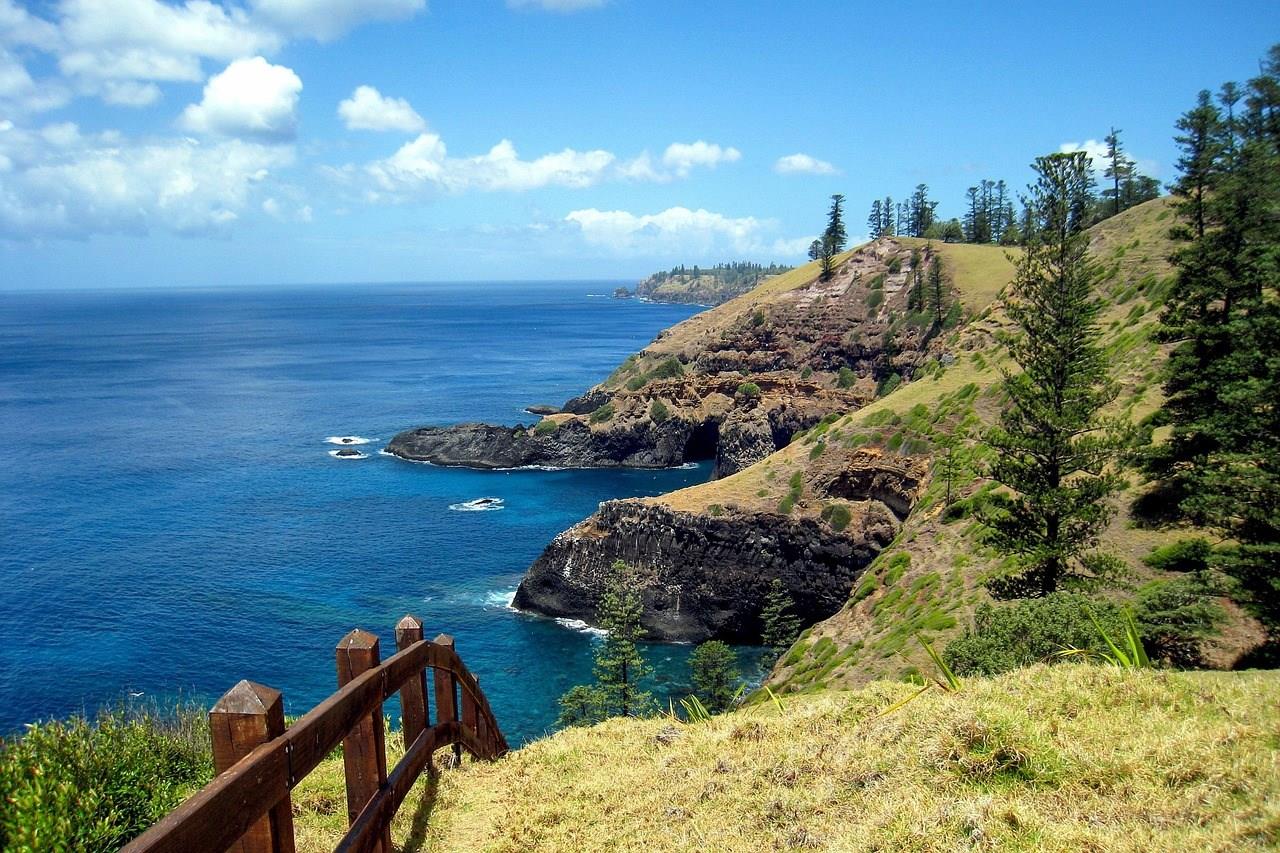
Norfolk Island may be small but it carries a story that spans centuries. Located in the South Pacific between Australia, New Zealand, and New Caledonia, the island is a fascinating blend of Polynesian roots, British convict history, and Pitcairn Island culture. Today, visitors can walk through one of the best-preserved penal settlements in the world at Kingston, where stone ruins and restored Georgian buildings stand against a backdrop of green hills and the open sea.

Glenfinnan
Glenfinnan, nestled in the Scottish Highlands, is a picturesque village renowned for its dramatic landscapes and historical significance. This small but enchanting destination is best known for the Glenfinnan Viaduct, an architectural marvel completed in 1901.
