

Mumbai
This energetic city is home to three UNESCO World Heritage Sites: the Elephanta Caves, Chhatrapati Shivaji Maharaj Terminus, and the city's distinctive Victorian and Art Deco buildings. It is the largest city in India and contains 7 distinct districts. There is so much to see here, but the most popular tourist attractions are typically concentrated in South Mumbai such as the Elephanta Caves, the Gateway of India and Chhatrapati Shivaji Maharaj Terminus.
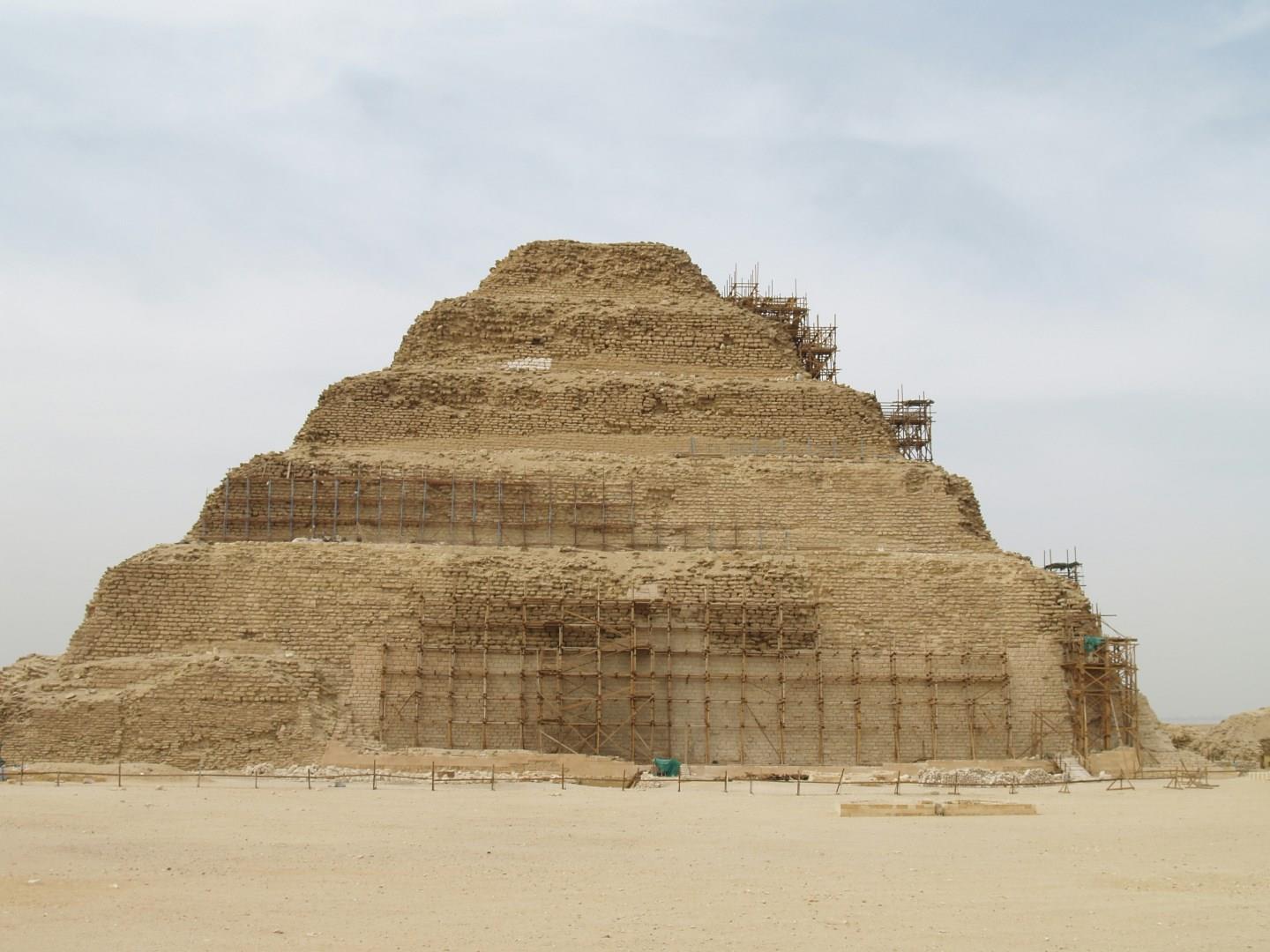
Sakkara
Sakkara, located just south of Cairo, is one of Egypt’s most important archaeological sites and the vast necropolis of the ancient capital of Memphis. Stretching over seven kilometers, it served as a burial ground for pharaohs, nobles, and high officials across multiple dynasties.

Volga
The Volga River is an emblematic waterway that meanders through the heart of Russia, offering an exceptional journey through the country’s rich cultural and historical tapestry. As Europe’s longest river, stretching approximately 3,530 kilometers (2,194 miles), the Volga flows from the Valdai Hills to the Caspian Sea, weaving through major cities such as Tver, Nizhny Novgorod, and Volgograd.
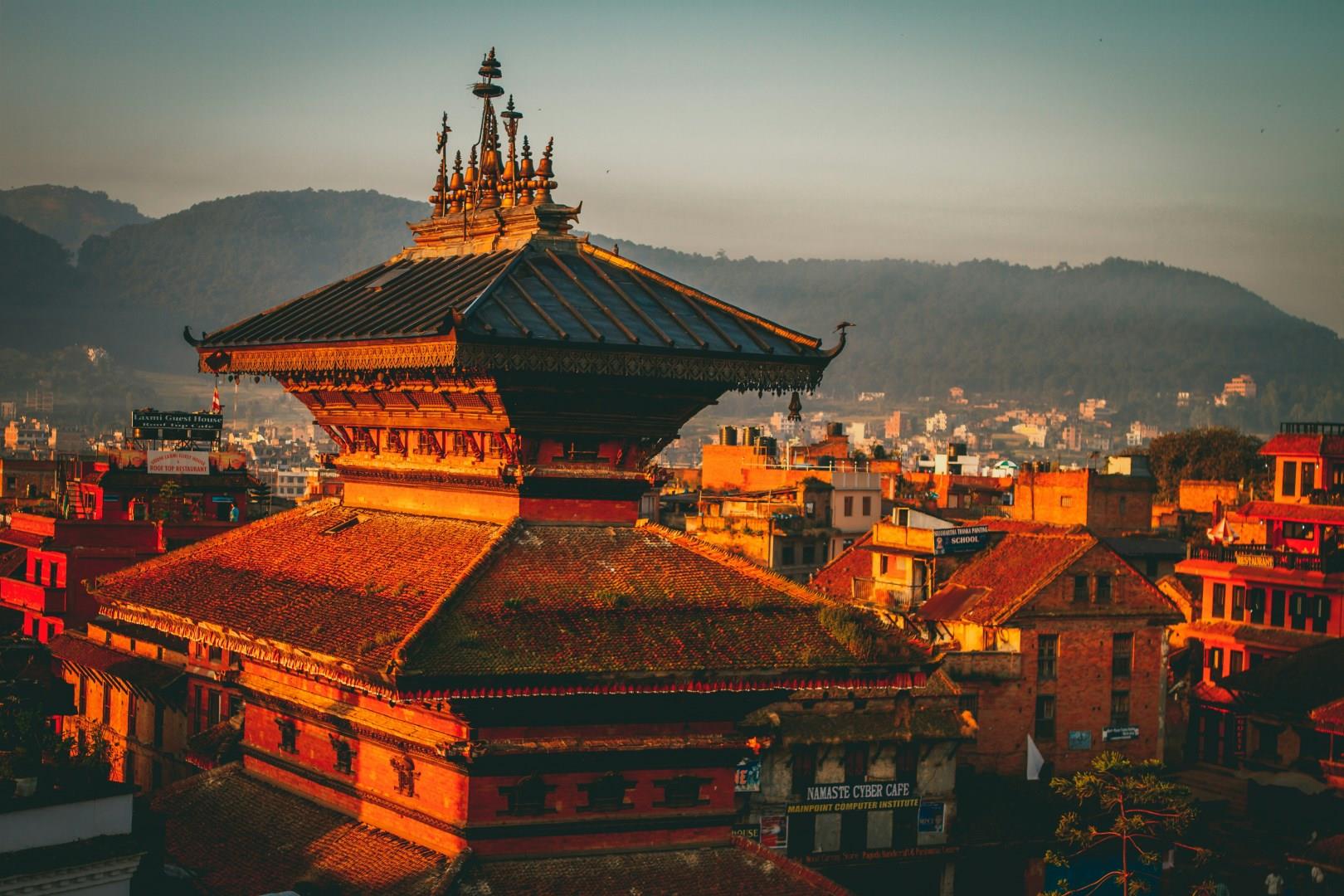
Bhaktapur
Bhaktapur, located just east of Kathmandu in Nepal, is a city where time seems to slow. Famous for its well-preserved medieval architecture, it is often called a “living museum” due to its abundance of temples, palaces, and courtyards.
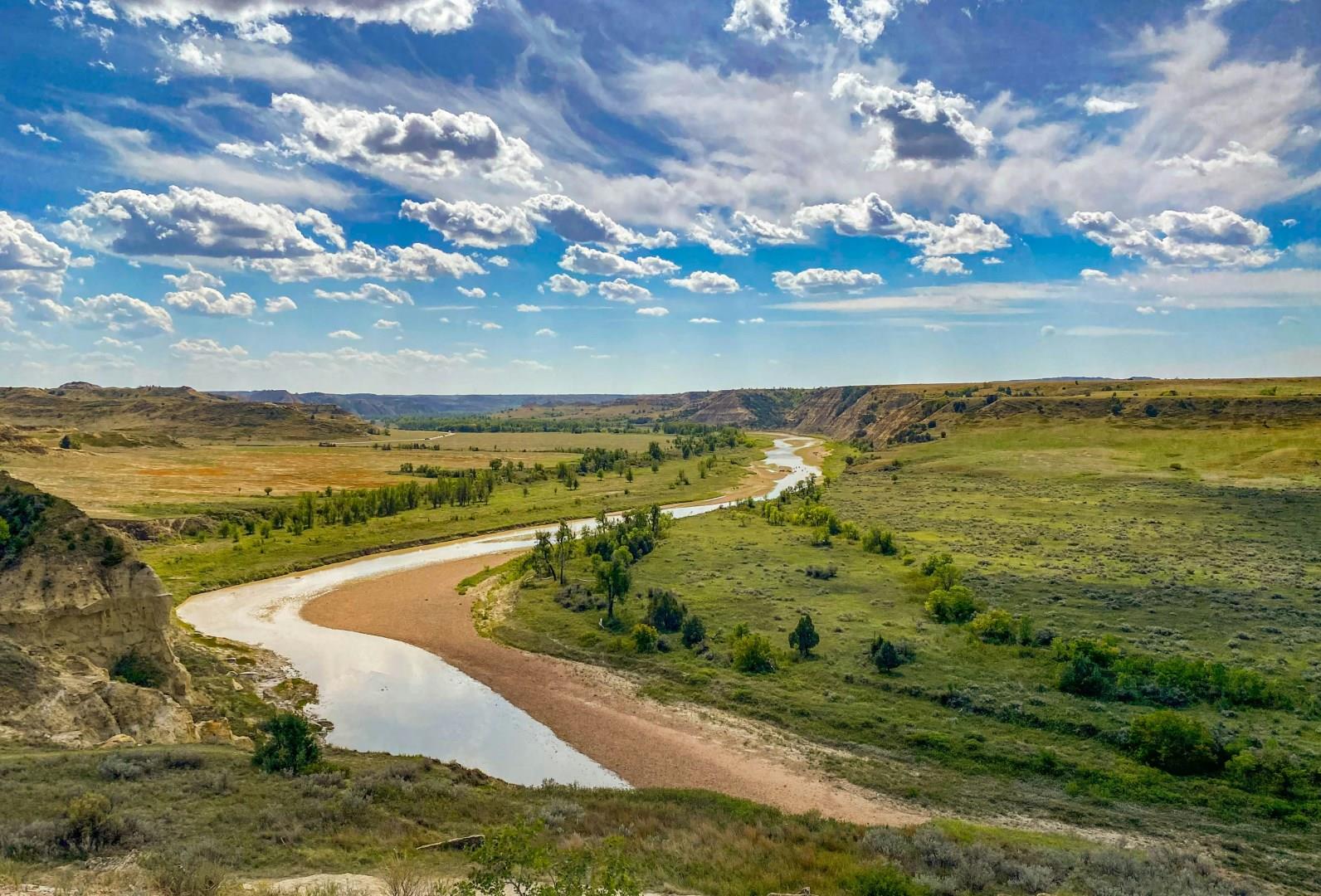
Theodore Roosevelt National Park
Theodore Roosevelt National Park, tucked into the rugged badlands of western North Dakota is where a young Theodore Roosevelt came to recover after the loss of his wife and mother in the same day. He bought a ranch, rode the open plains, and found the resolve that would later define his presidency. Today, the park named in his honor preserves that same wild spirit. Visitors can still see Roosevelt’s original Maltese Cross Cabin near the park's entrance and walk trails he once rode on horseback.
