
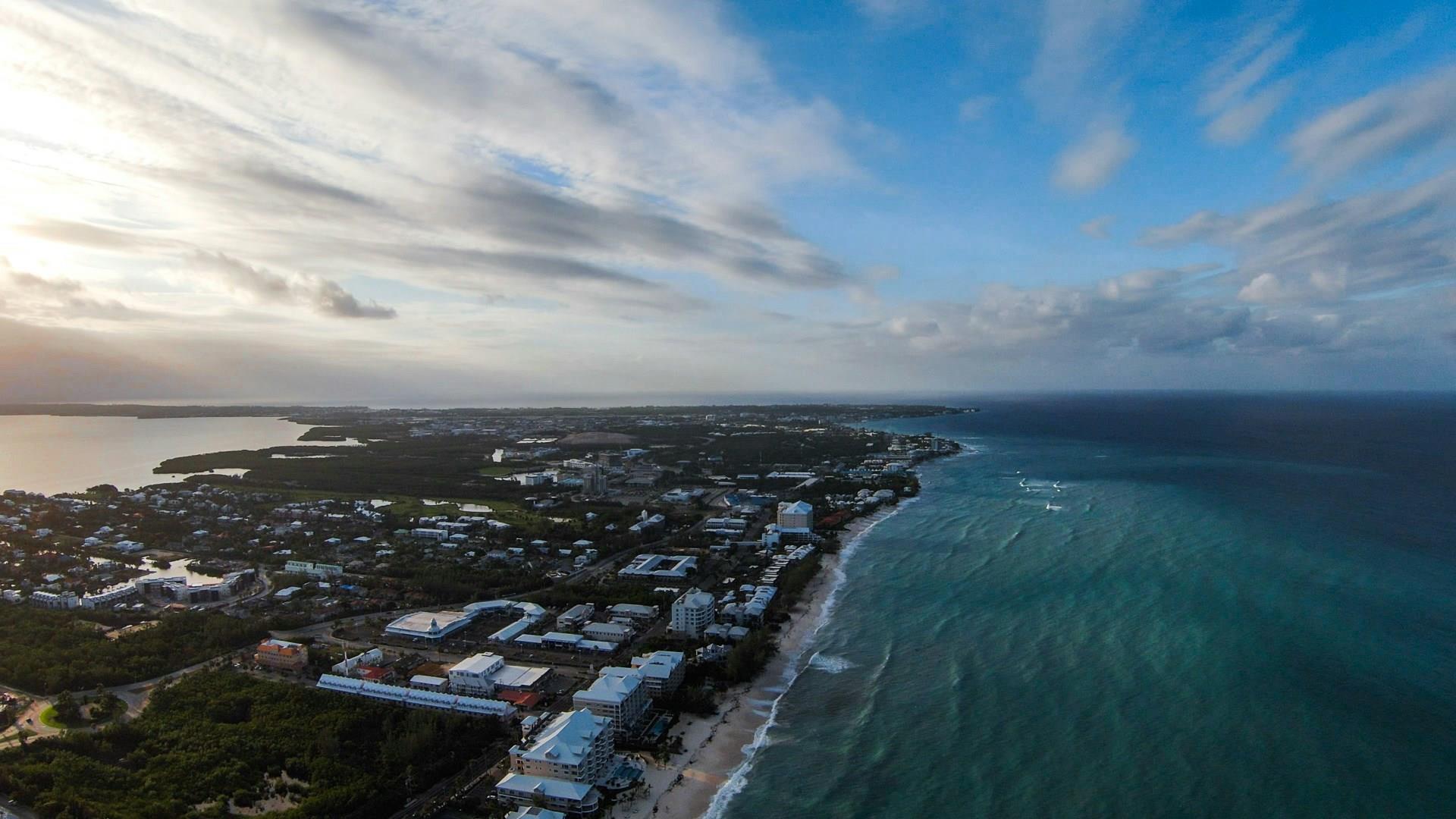
Grand Cayman
Grand Cayman, the largest of the Cayman Islands, is a Caribbean paradise offering stunning beaches, world-class diving, and a rich blend of culture and luxury. Seven Mile Beach, often ranked as one of the most beautiful beaches in the world, is the island’s crown jewel. Its powdery white sands and crystal-clear waters are perfect for swimming, snorkeling, or simply relaxing under the sun. Luxury resorts and beachfront restaurants dot the coastline, providing both indulgence and accessibility to

Speyer
Speyer, located in the Rhineland-Palatinate region of Germany, is a city rich in history and culture. One of its most notable landmarks is the Speyer Cathedral, a UNESCO World Heritage Site and one of the largest Romanesque churches in the world.
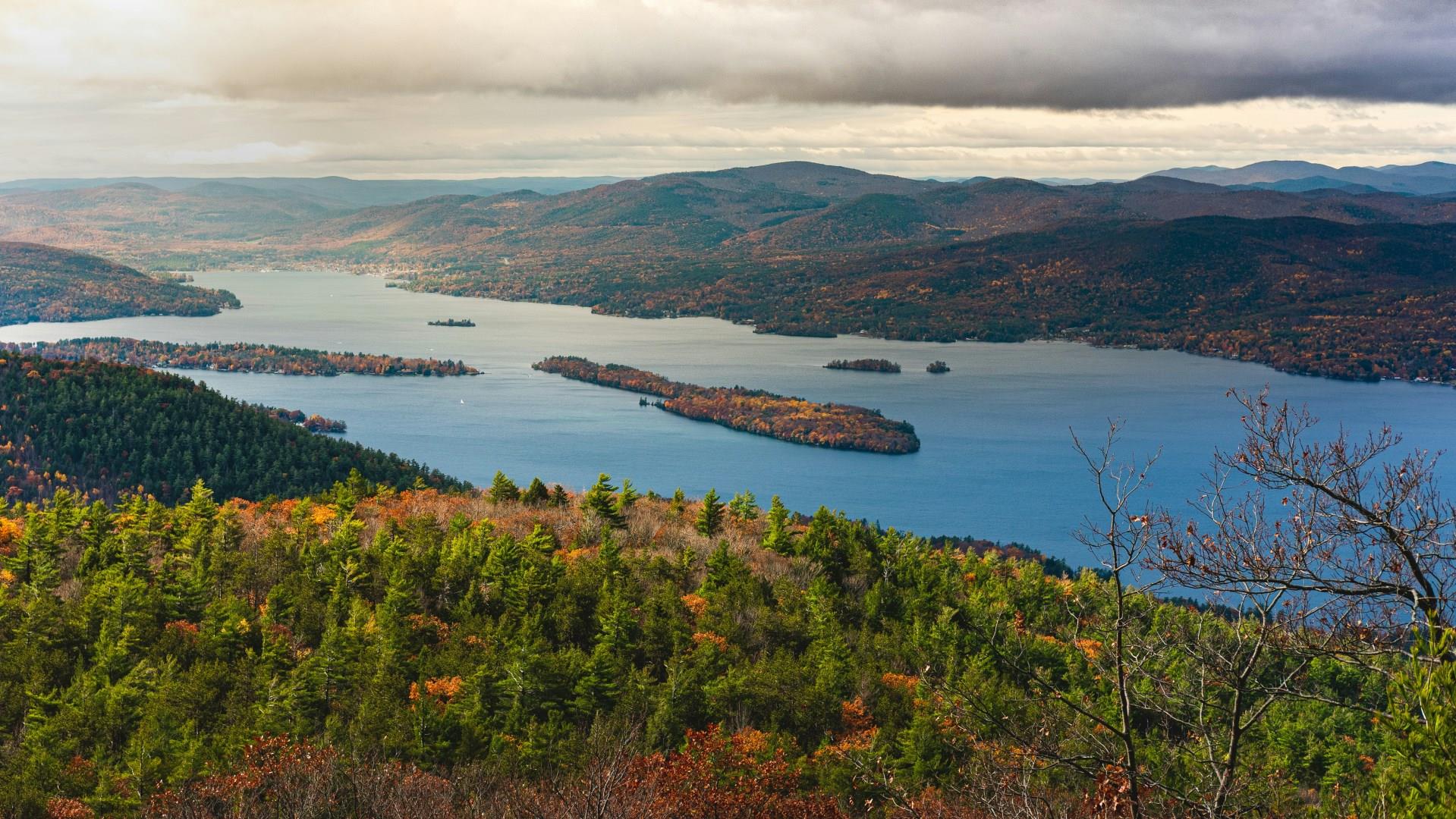
Saratoga Springs
Saratoga Springs, New York, has long drawn visitors with its bubbling mineral springs, historic charm, and a calendar full of events that give the town a lively edge. Known as “The Spa City,” Saratoga first gained fame in the 19th century for its naturally carbonated waters, believed to have healing properties. Downtown Saratoga Springs is known for its walkable streets, filled with locally owned boutiques, cafés, and bookstores.
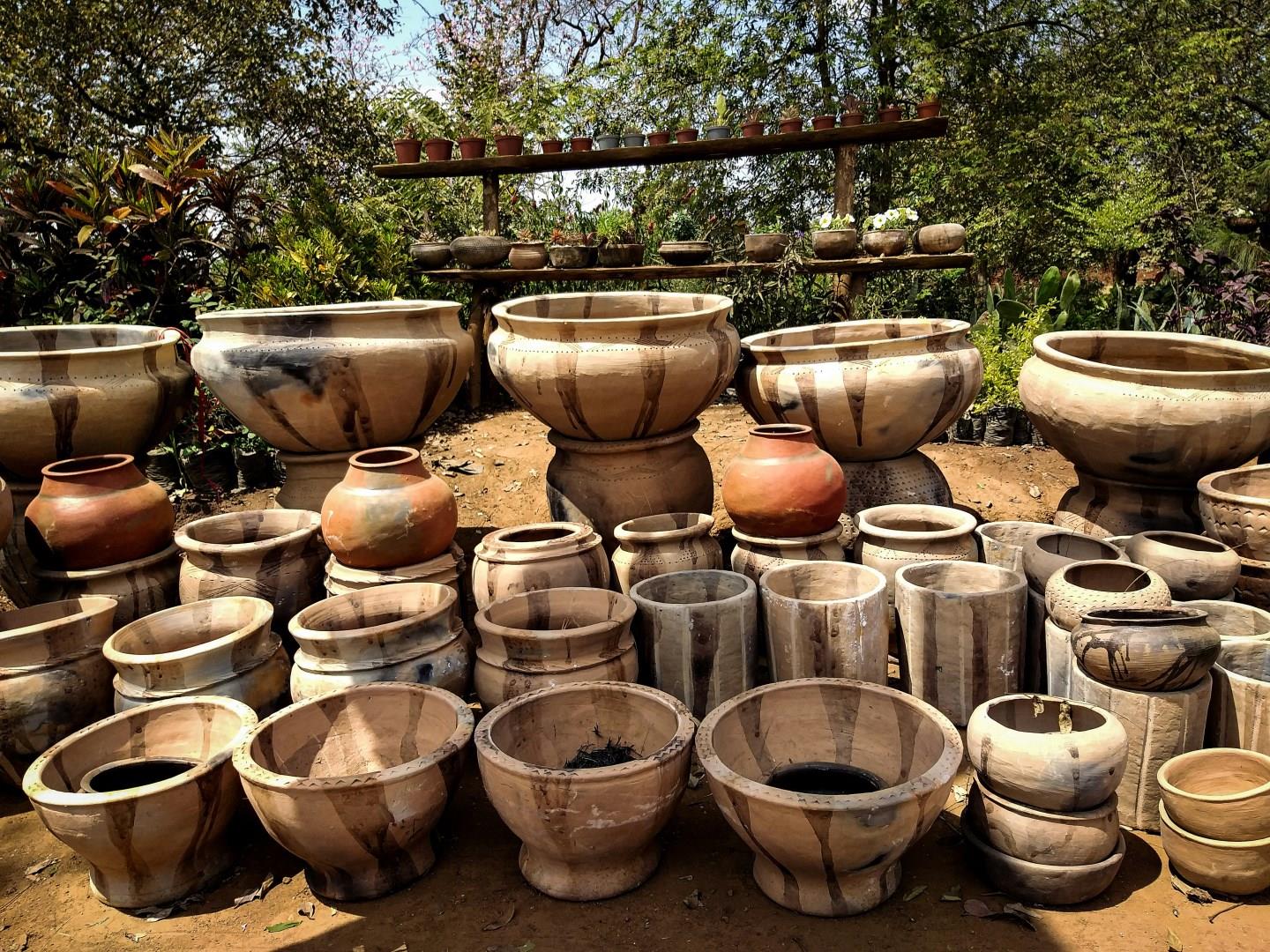
Lilongwe
Lilongwe, the capital of Malawi, blends modern development with a laid-back atmosphere, offering visitors an introduction to the country’s culture and daily life. Markets are at the heart of Lilongwe’s character, with the bustling Old Town Market standing out as a must-visit. Here, traders sell everything from fresh produce and local crafts to colorful fabrics and handmade goods.
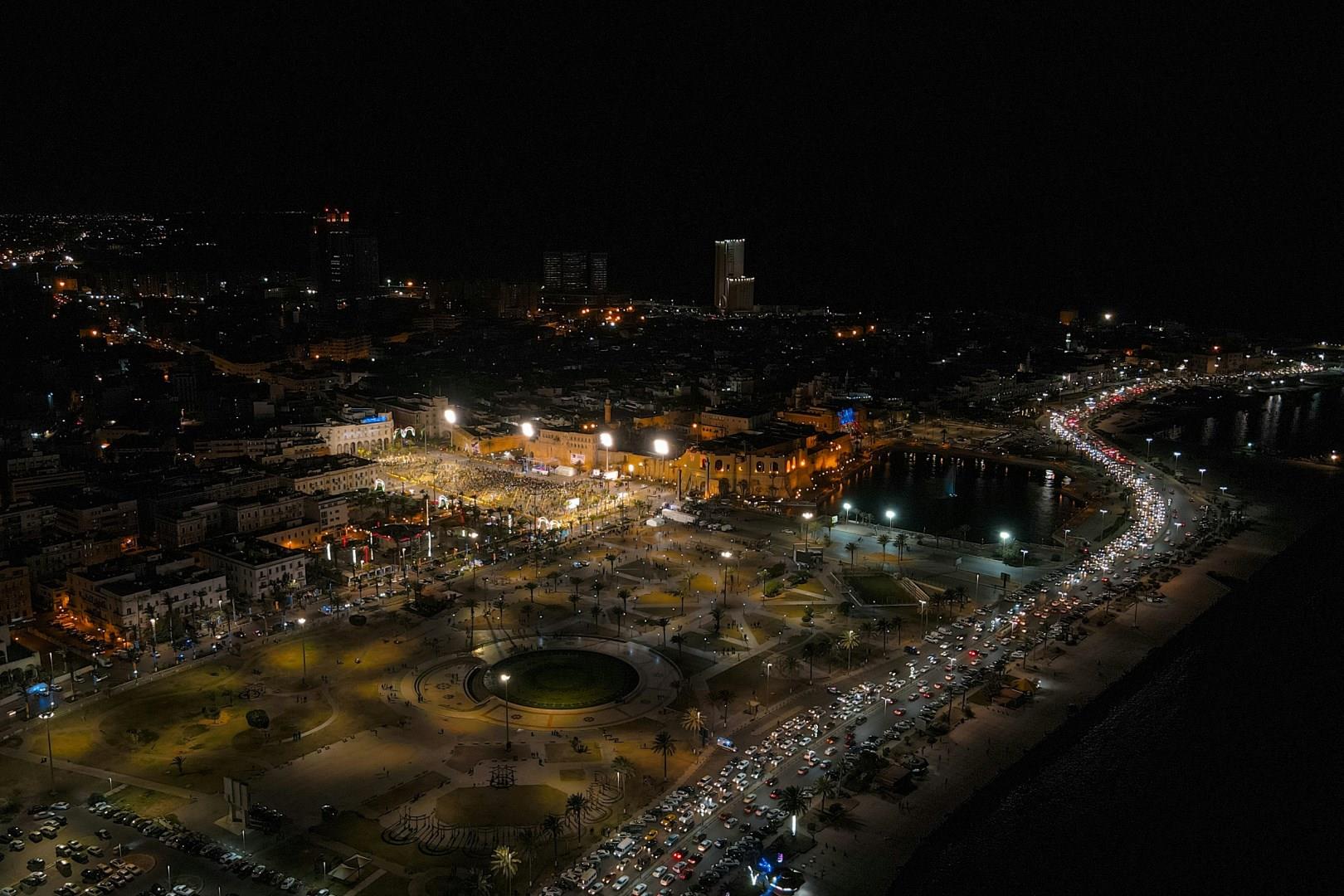
Libya
Libya, located in North Africa along the Mediterranean coast, is a country of vast deserts, ancient history, and dramatic landscapes. Much of its terrain is dominated by the Sahara Desert, with sand dunes, rocky plateaus, and oases shaping life across the country.
