

Las Vegas
Las Vegas, Nevada, is an electrifying city where glitz and glamour meet entertainment and excitement. Known as "The Entertainment Capital of the World," Las Vegas offers an unparalleled array of attractions, from its iconic casinos and luxurious hotels to its world-class dining and live shows. The city's entertainment scene is second to none, featuring legendary headliners, cutting-edge performances, and an array of themed attractions.

Nepal
Nepal, nestled in the heart of the Himalayas, is a land of dramatic landscapes, rich traditions, and spiritual depth. Known as the gateway to the world’s tallest peaks, including Mount Everest, it offers both breathtaking natural beauty and profound cultural heritage.
Nosara
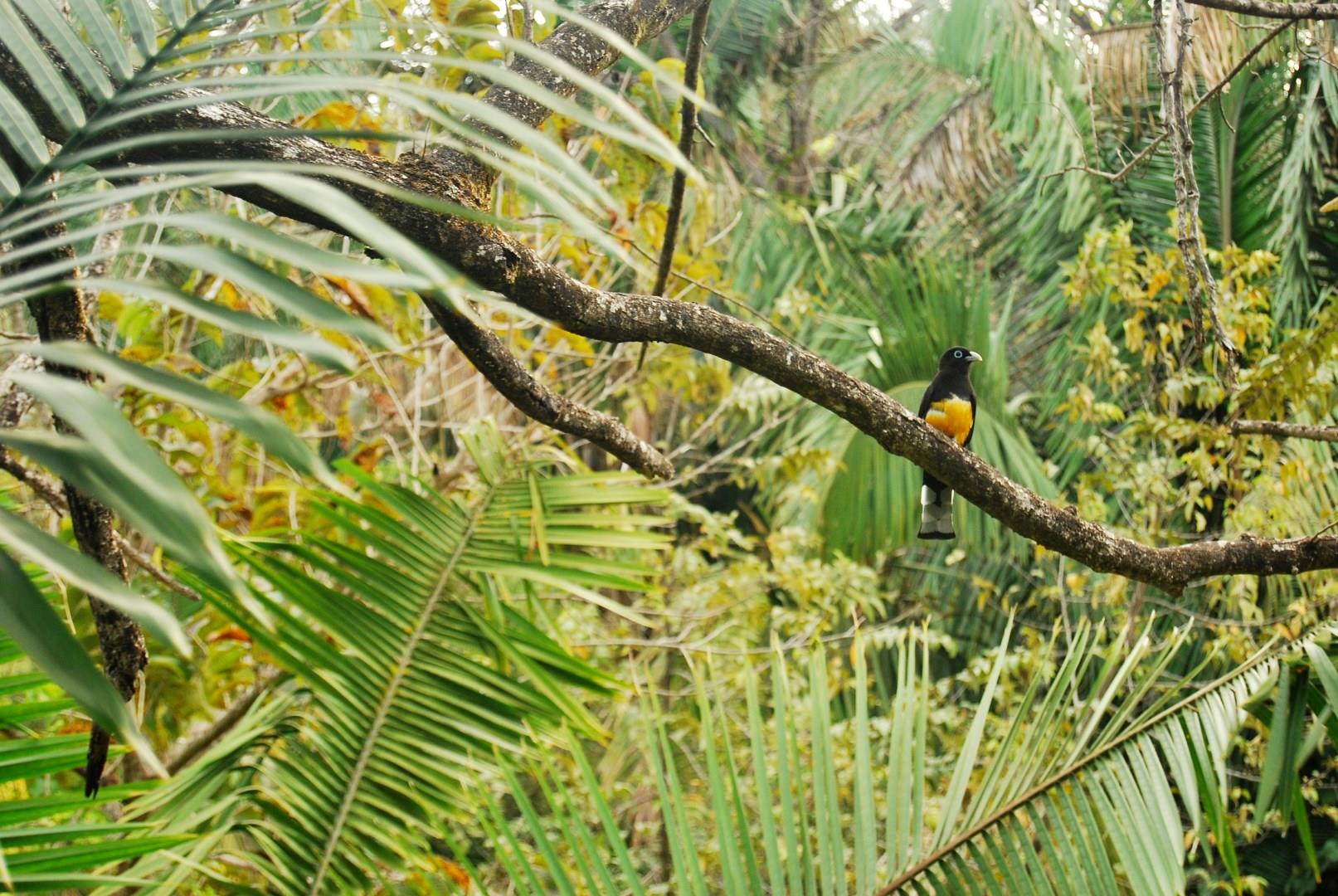
Nosara, on Costa Rica’s Nicoya Peninsula, is a laid-back coastal town known for its strong connection to wellness, nature, and surf culture. Unlike some of the country’s busier resorts, Nosara has kept development low-key, with no large beachfront hotels and a community that values sustainability.
Custer State Park
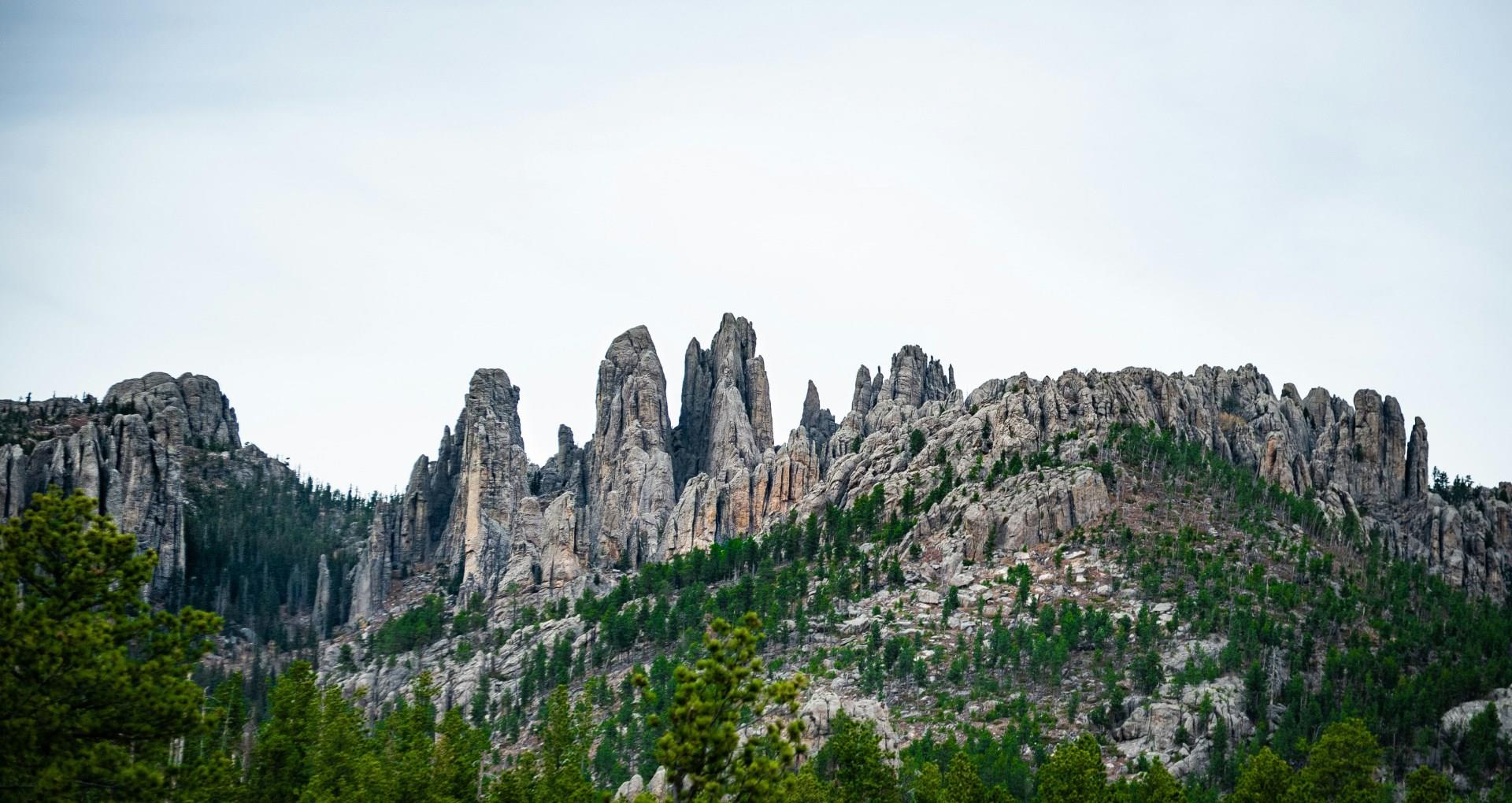
Custer State Park, nestled in the Black Hills of South Dakota, offers a tapestry of natural beauty and wildlife. Known for its scenic drives and outdoor activities, the park is a haven for nature enthusiasts and adventure seekers alike. One of its most famous routes, the Needles Highway, weaves through towering granite spires and narrow tunnels, providing breathtaking vistas of the rugged terrain.
Ambergris Caye
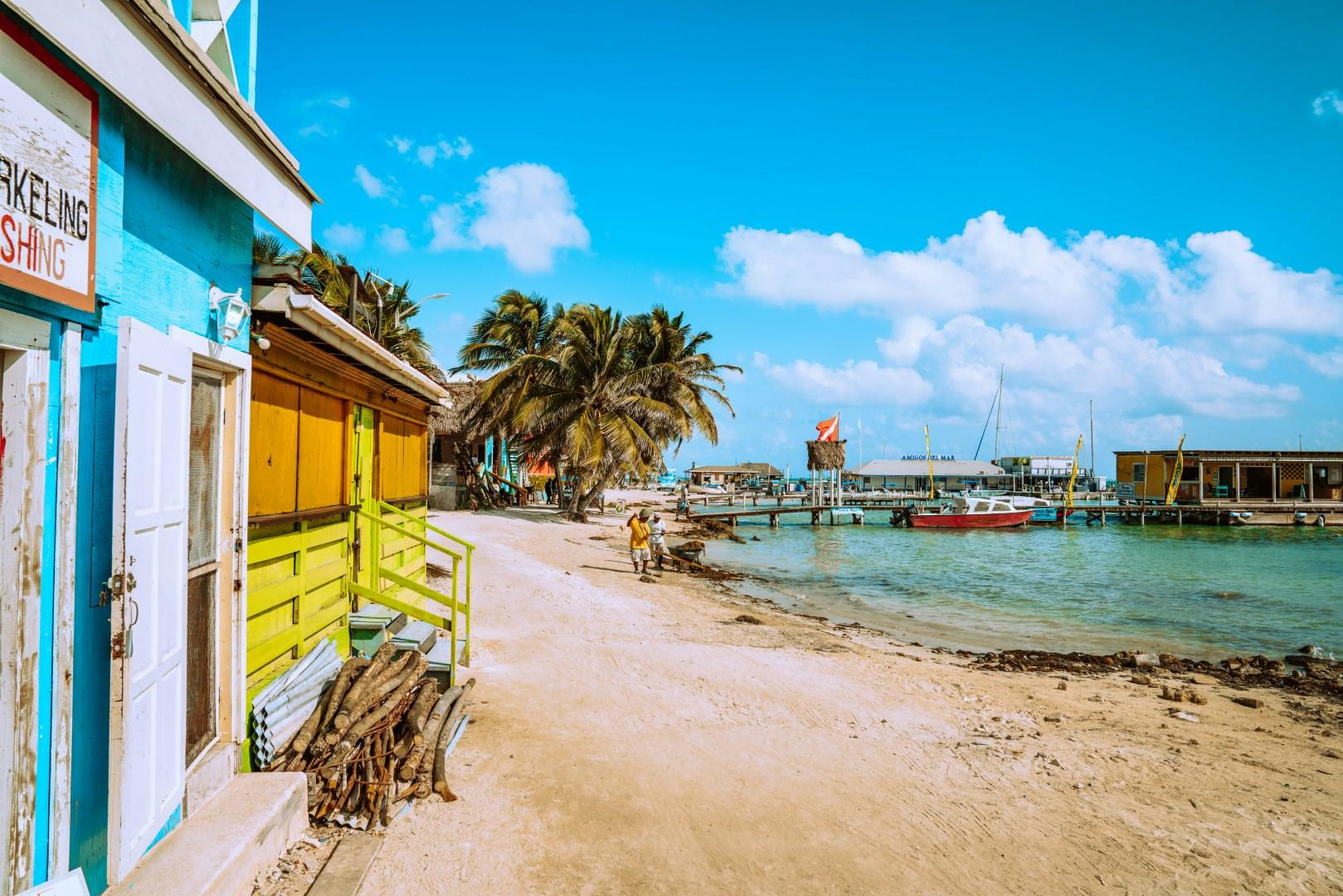
Ambergris Caye, the largest island in Belize, is the country’s premier destination for both relaxation and adventure. Just off its shores lies the Belize Barrier Reef, offering some of the world’s most spectacular snorkeling and diving.
