

Normandy
Normandy is a province along the Northwestern coast of France. It was the site of the important World War II landings and battle and one of the most fascinating regions of France. This land is rich in legend and scenic splendor. Visit coastal villages, museums, fortresses and fragrant gardens.

Naxos
Located in Greece's Lesser Cyclades, Naxos is an island in the South Aegean Sea and popular for its spectacular beaches. A favorite tourist destination, Naxos is home to a variety of ancient ruins, including the Temple of Apollo - Grotta, the Temple of Demeter, and Apano Kastro.
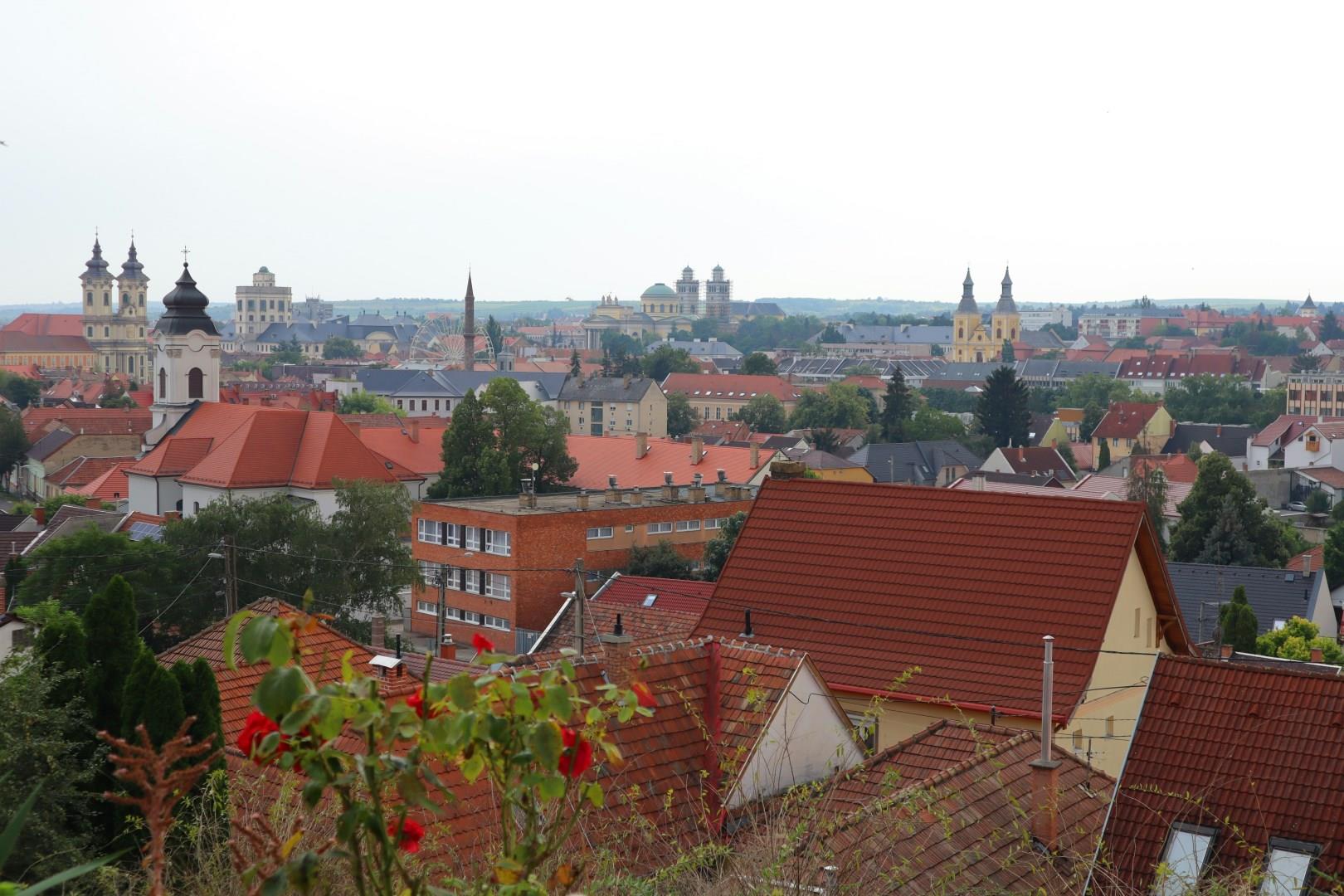
Eger
Eger sits in northern Hungary and is known for its well preserved Baroque center, historic castle and long tradition of wine and craft that draw visitors from across Europe. Just beyond the historic center, generations of winemakers have perfected local styles and offer tastings of local varieties. A casual afternoon here can feel like a gentle cellar crawl, with seasonal music or simple snacks adding to relaxed tastings under vine covered walkways.

Ollantaytambo
Most commonly reached via travel from Cusco, Ollantaytambo is an Incan archaeological site in the Sacred Valley of southern Peru. The town dates from the late 15th century and is home to some of the oldest continuously-occupied dwellings in South America.

Brazil
Brazil is a country that moves to its own rhythm whether it be samba, bossa nova, the roar of waterfalls or the quiet of the rainforest. Stretching from the Amazon Basin to the Atlantic coastline, Brazil offers both iconic cityscapes and vast natural frontiers. In Rio de Janeiro, visitors can ride a cable car up to Sugarloaf Mountain, watch the sunset from Arpoador, or join a drumbeat-filled bloco during Carnival, where the streets turn into one massive celebration of music, movement, and color.
