

St. Croix
It's the largest of the three U.S. Virgin Islands, lying 40 miles south of St. Thomas and St. John. While its history is laced with tales of pirates and privateers, the island today maintains a slower, more quiet pace than its sisters to the north.
Selcuk
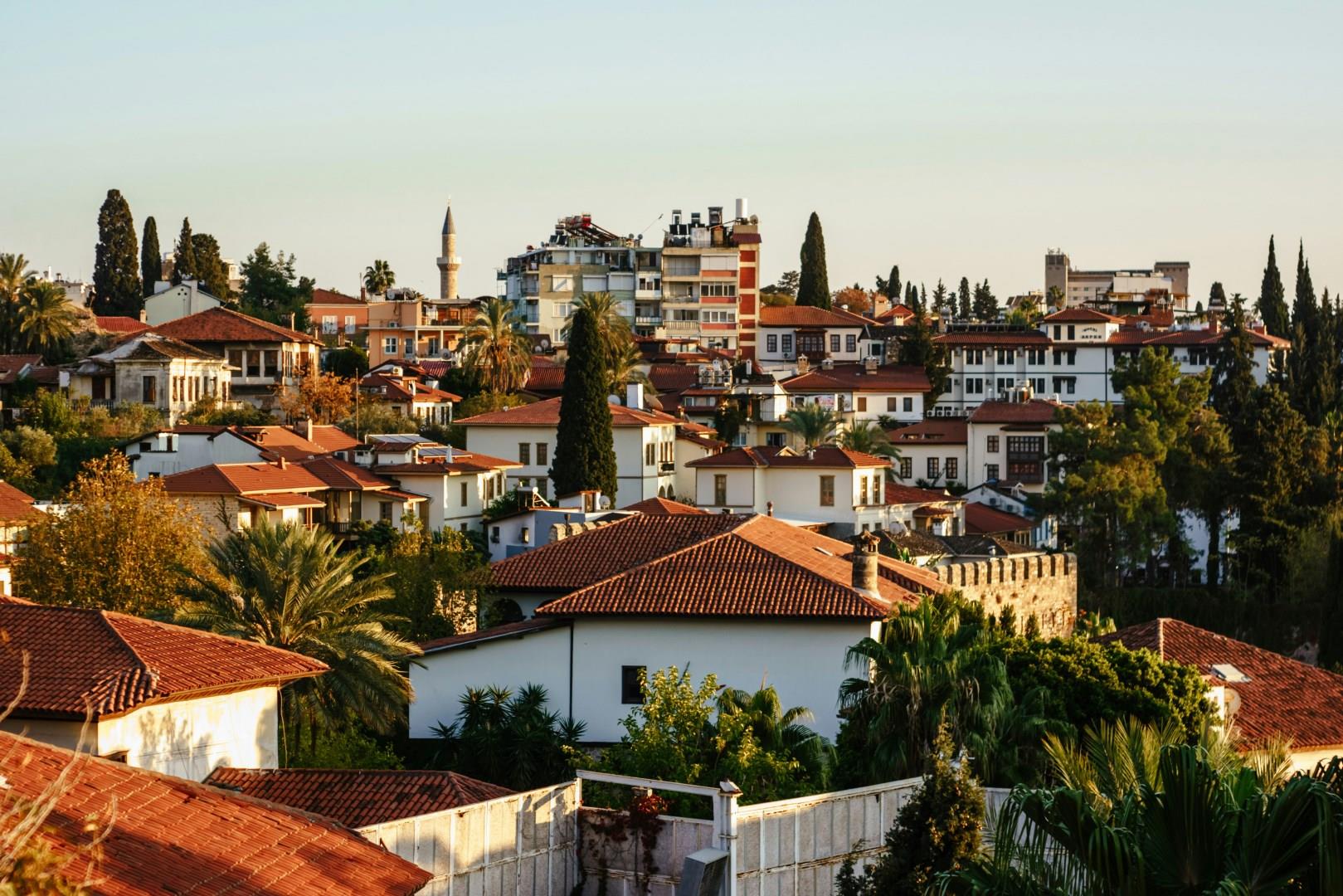
Selcuk, a small town in western Turkey’s İzmir Province, is one of the country’s richest destinations for history lovers. It sits at the foot of the ancient city of Ephesus, once one of the great cities of the classical world and home to the Temple of Artemis, one of the Seven Wonders of the Ancient World.

Pristina
Pristina, the dynamic capital of Kosovo, offers a unique blend of modernity and tradition. The city's skyline is punctuated by landmarks like the Mother Teresa Square, a tribute to the Nobel Peace Prize laureate and humanitarian who was born in Albania but had strong ties to the region. Nearby, the striking Newborn Monument, an ever-changing installation that commemorates Kosovo’s declaration of independence, showcases the country's evolving identity and creativity.
Portugal
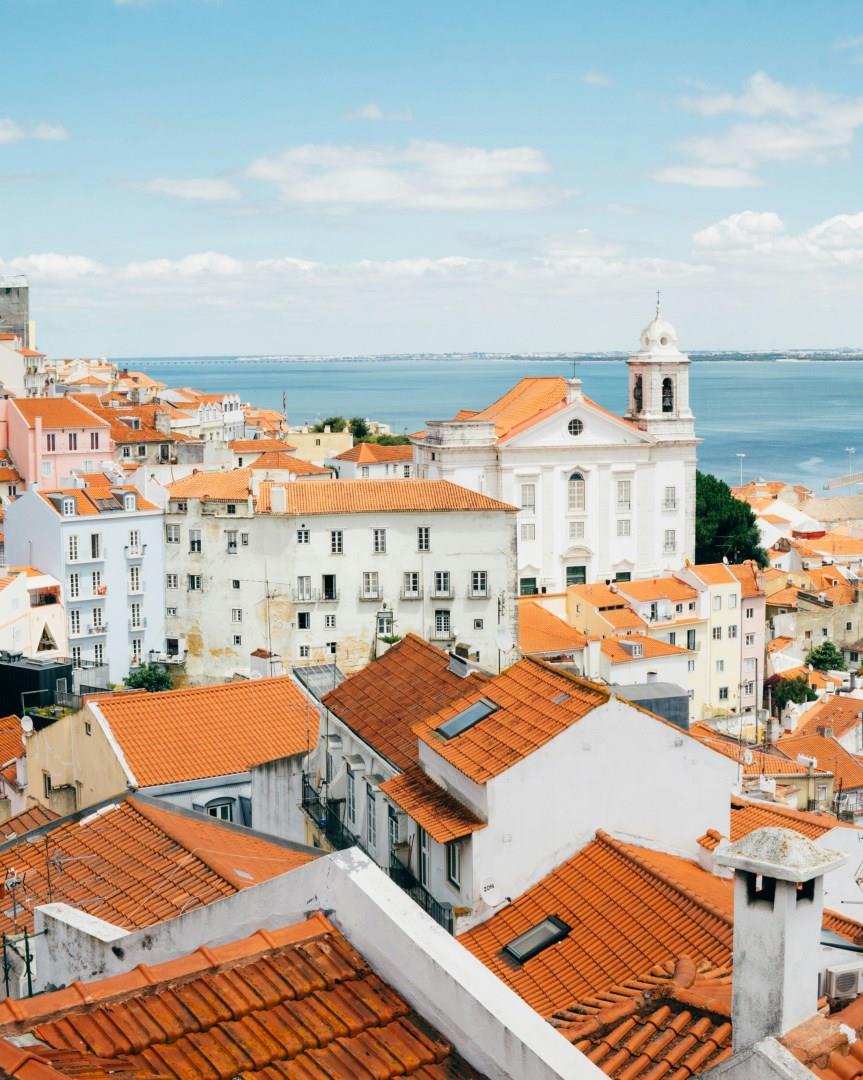
Portugal offers a layered experience shaped by maritime history, deep-rooted traditions, and a coastline that stretches for nearly 1,800 kilometers. In Lisbon, the streets of Alfama wind uphill toward São Jorge Castle, where views of red-tiled rooftops and the Tagus River reveal how the city was rebuilt after the 1755 earthquake. Trams still clatter through narrow streets, and fado music, often performed in candlelit taverns, tells stories of longing and the sea.

Byron Bay
Byron Bay lies on the far north coast of New South Wales, Australia, where wide beaches meet the deep blue Pacific and the point of land known as Cape Byron marks the easternmost tip of the mainland. Standing tall above the coastline, the Cape Byron Lighthouse has guided ships since 1901 and now greets walkers and sightseers who take the scenic cliff-top path for views stretching toward whales during their migration season.
