
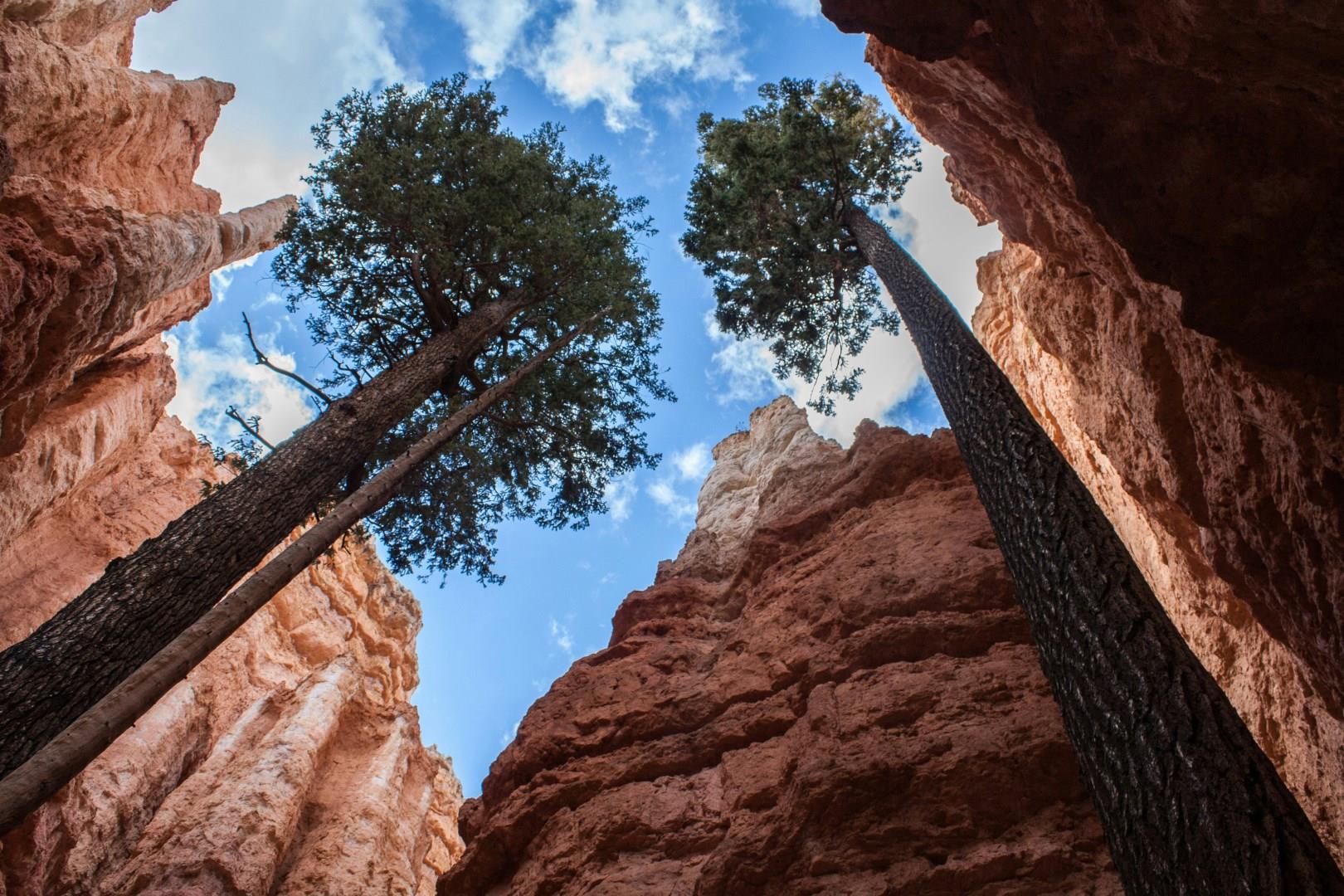
Bryce Canyon
Bryce Canyon, tucked into the high plateaus of southern Utah, offers one of the most unusual landscapes in the American Southwest. It’s not actually a canyon but a series of natural amphitheaters carved into the edge of the Paunsaugunt Plateau. What makes Bryce unique is its dense collection of hoodoos which are tall, thin spires of rock formed over millions of years by frost-wedging and erosion.
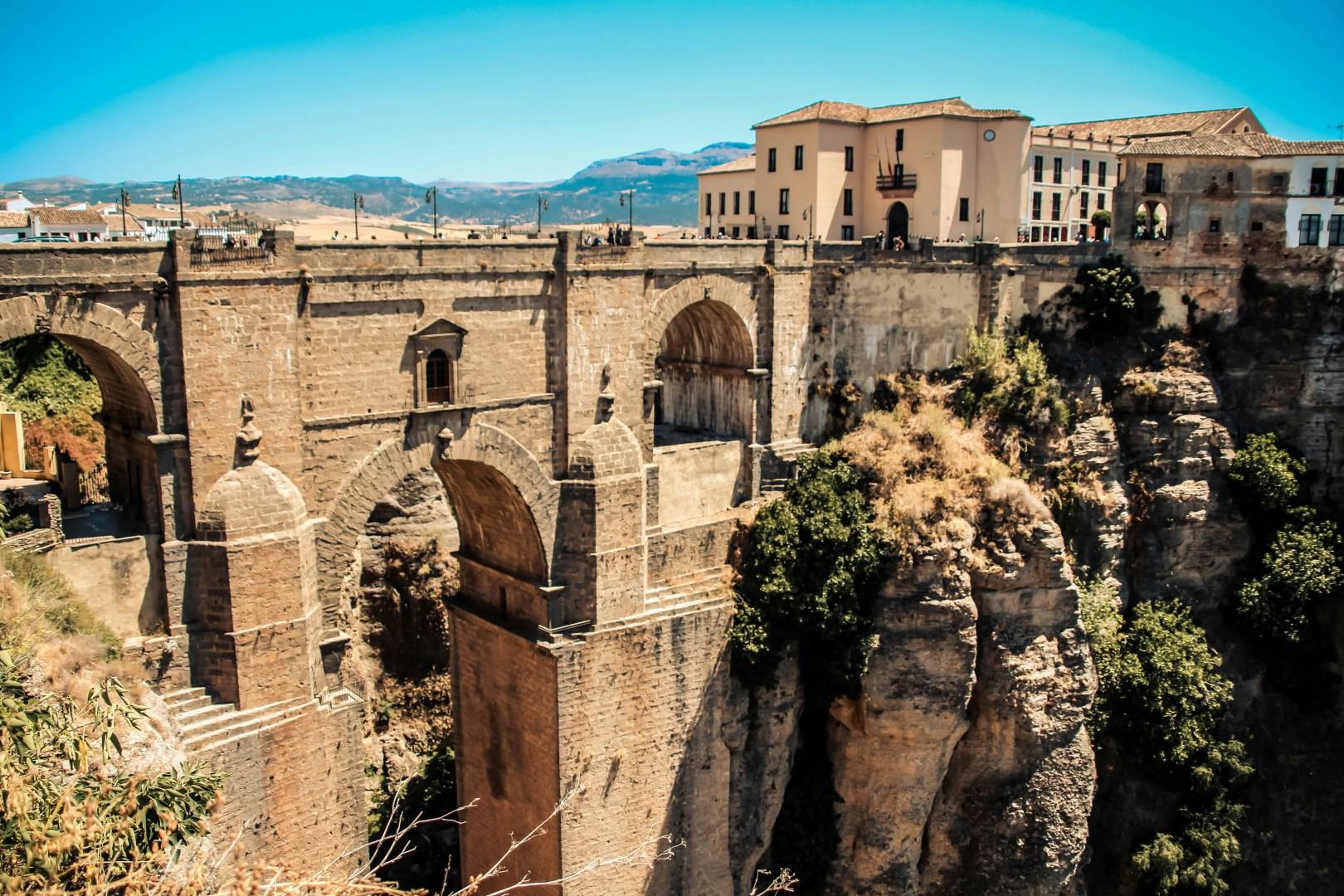
Ronda
Ronda, perched high above the El Tajo gorge in southern Spain’s Málaga province, offers one of the most dramatic landscapes in Andalusia. The city is split in two by a 120-meter-deep canyon carved by the Guadalevín River, and connected by the iconic Puente Nuevo, an 18th-century stone bridge that took over 40 years to complete. Visitors crossing the bridge can stop at the viewpoint built into the stone itself, once used as a prison.
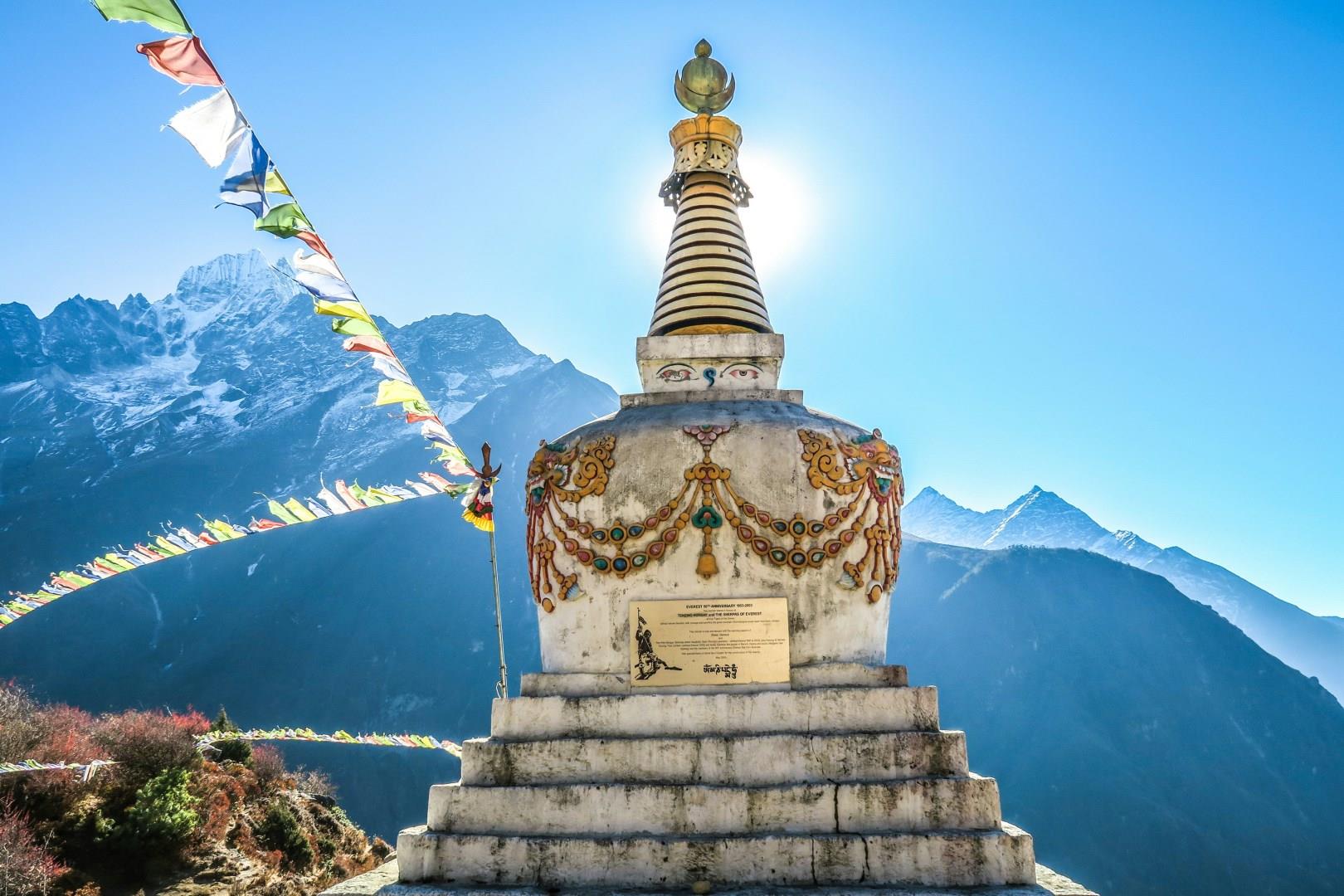
Namche
Namche Bazaar, perched at 3,440 meters in the Khumbu region of Nepal, is often called the gateway to Everest, but it’s far more than a rest stop on the way to Base Camp. Once a trading post between Tibetan and Nepali merchants, Namche has developed into a small mountain town where yak caravans and Wi-Fi cafes exist side by side. Despite its remote location, it has a Saturday market that continues to bring traders and trekkers together, just as it did centuries ago.

Portland
Portland, England, offers a charming blend of coastal beauty, historical intrigue, and unique geological features. Nestled on the Jurassic Coast in Dorset, this picturesque island town is renowned for its stunning cliffs and quarries.

Tournon
A popular stop on river cruises down the Rhône, Tournon, France is a picturesque town south of Lyon. Despite its small size, this French ville is instantly charming. From historic buildings like the Château-Musée de Tournon and the Église Saint-Julien de Tournon, to the lush botanical splendor of the Jardin d’Eden, Tournon’s quaint beauty is guaranteed to enchant.
