

Svalbard
This mountainous archipelago offers magnificent views of stark white glaciers and snowfields, which cover a vast stretch of the region. Arctic flora and fauna fascinate; catch a glimpse of polar bears, reindeer, arctic foxes, and walruses amongst the mossy tundra and icy coasts. In the summer, visitors will witness the rare splendor of Svalbard’s midnight sun.
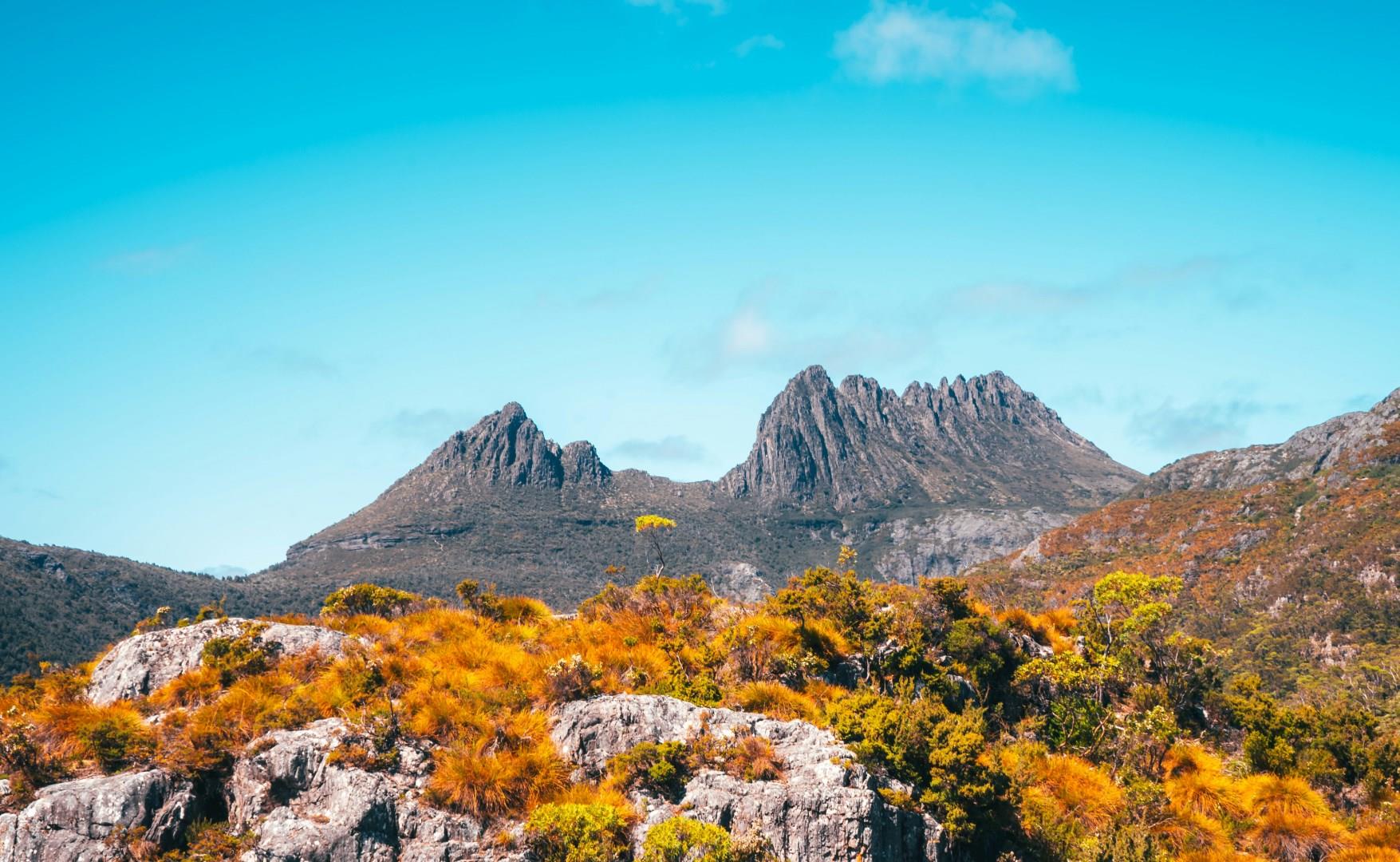
Cradle Mountain Tasmania
Cradle Mountain, located within the Tasmanian Wilderness World Heritage Area, is one of Australia's most distinctive landscapes. Towering over Dove Lake, the craggy peak rises to 1,545 meters and is often dusted with snow, even in spring. The mountain and surrounding area are part of Cradle Mountain–Lake St Clair National Park, which was established in 1922 and has since become a cornerstone of Tasmania’s protected wildlands.

Seward
This quaint port city is breathtakingly beautiful! Surrounded by peaks, Seward fjords are the perfect whale and porpoise habitat, and both seals and puffins fill the Alaska SeaLife Center. Those looking for a challenge can hike the western trail to the summit of Mount Marathon.
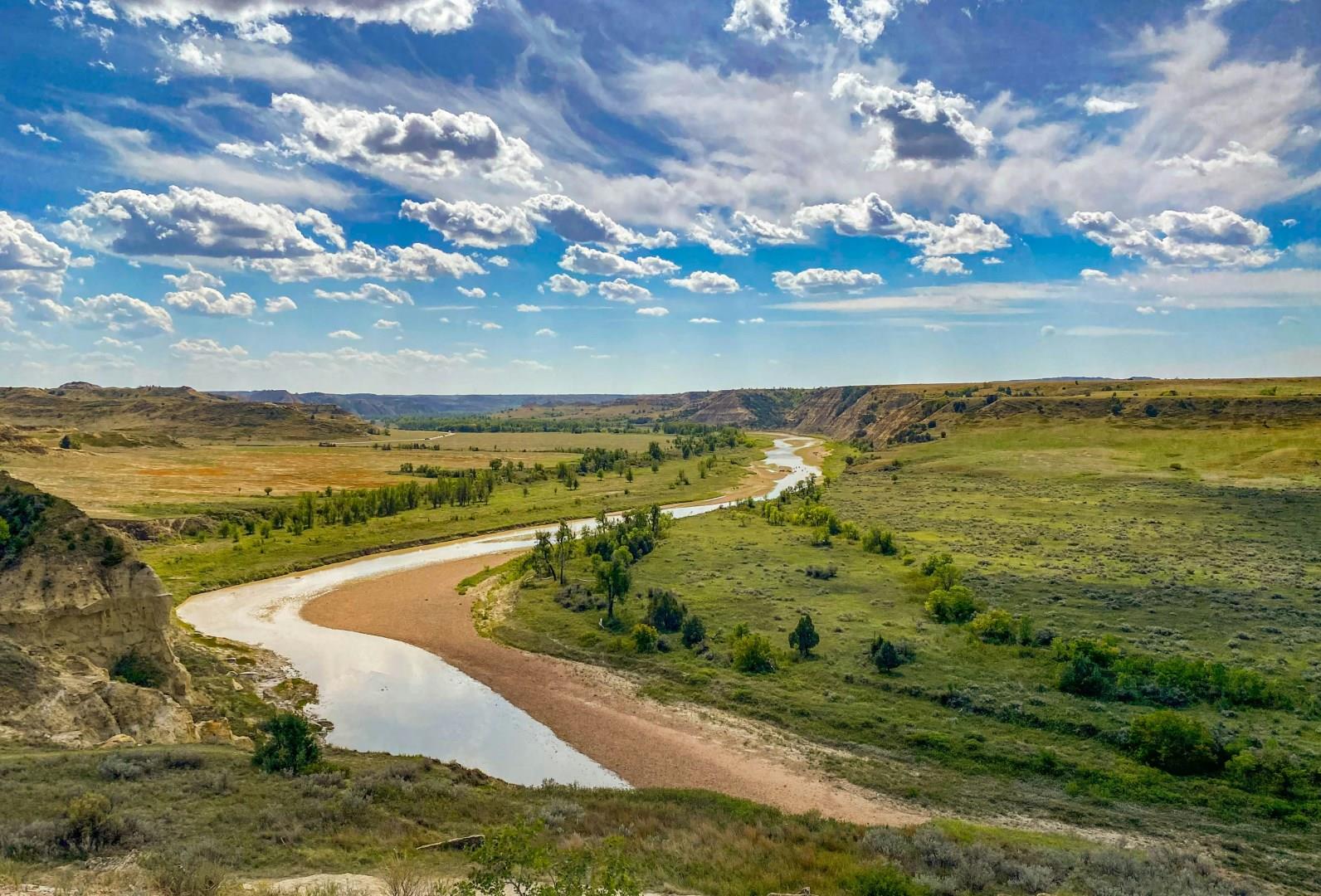
Theodore Roosevelt National Park
Theodore Roosevelt National Park, tucked into the rugged badlands of western North Dakota is where a young Theodore Roosevelt came to recover after the loss of his wife and mother in the same day. He bought a ranch, rode the open plains, and found the resolve that would later define his presidency. Today, the park named in his honor preserves that same wild spirit. Visitors can still see Roosevelt’s original Maltese Cross Cabin near the park's entrance and walk trails he once rode on horseback.

Galle
Galle, a coastal city in southern Sri Lanka, is a place where history and the sea are inseparably linked. Once a vital port on the spice trade routes, Galle reached its peak under Dutch colonial rule in the 17th century, when the massive Galle Fort was built.
