

Dawson City
Located in the western part of the Yukon Territory Province of Canada, this area is on the Yukon River and famous as the gold mining area of the great Gold Rush. It is still an active mining area and also a popular tourist attraction as it has retained much of the look from the gold rush era.
Paramaribo
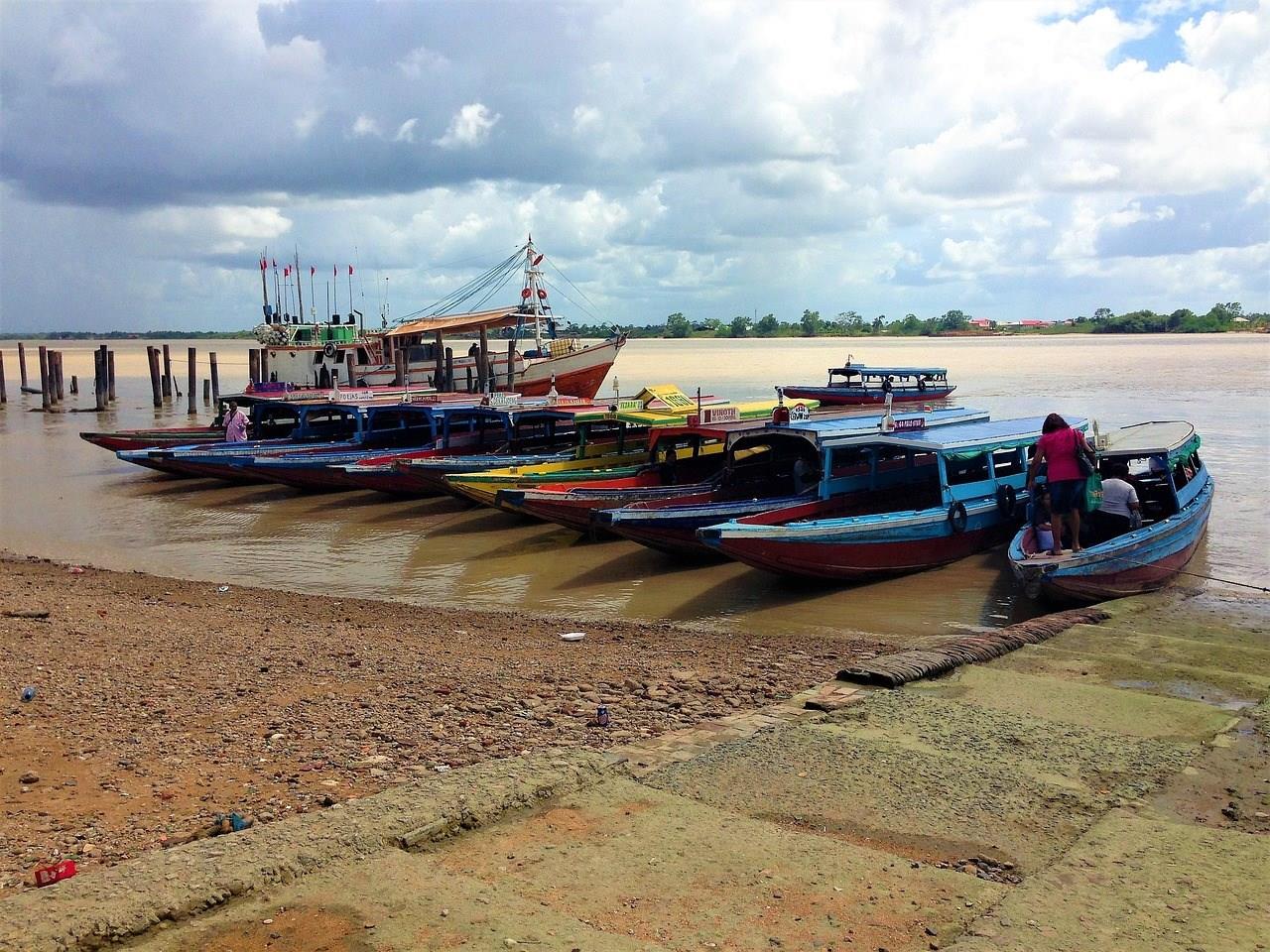
Paramaribo, Suriname’s capital, unfolds like a living storybook along the Suriname River, where wooden structures from the 17th and 18th centuries still stand today. This historic heart reveals a rare fusion of Dutch design and local craftsmanship. Visitors can stroll the Waterkant, a riverside avenue, and take in landmarks such as Fort Zeelandia, the neoclassical Reformed Church, and the lofty wooden Cathedral of St. Peter and Paul.

Dingle
Nestled along the picturesque southwest coast of Ireland, the charming town of Dingle offers a quintessential Irish experience with its stunning landscapes and rich cultural heritage. The town is renowned for its vibrant harbor and traditional pubs, where visitors can enjoy lively music sessions and savor local seafood dishes. The Dingle Peninsula, with its rugged cliffs and scenic drives, is a highlight for nature enthusiasts and those seeking breathtaking vistas.

Regensburg
Regensburg, Germany’s medieval gem, will transport you to a bygone era. The site of both Celtic and Roman settlements, Regensburg flourished in the Middle Ages.
Kimberley
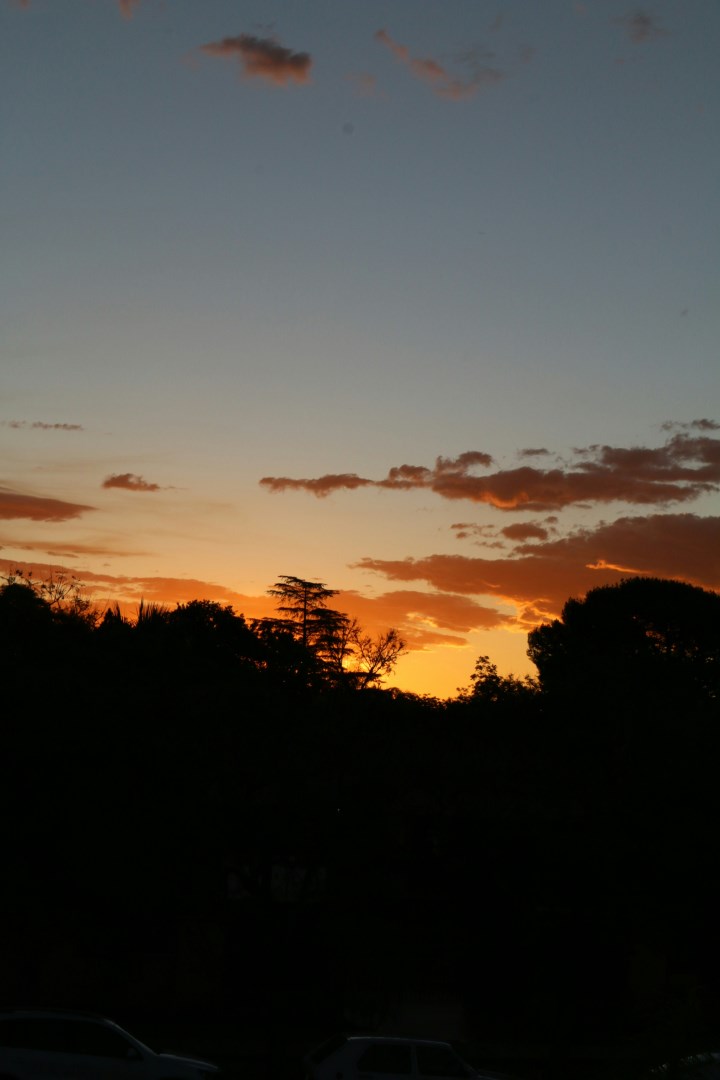
Kimberley is a city in South Africa’s Northern Cape province, known for its strong connection to diamond mining. It stands on a semi-arid plateau, where wide skies and dry landscapes shape daily life.
