

Haugesund
Haugesund, located on the southwestern coast of Norway, is known for its rich Viking heritage and natural landscapes. The town's maritime history is celebrated at the Nordvegen History Centre, where you can learn about the Viking kings who once ruled the area. Nature enthusiasts will appreciate the proximity to the Folgefonna Glacier, where they can enjoy guided glacier hikes and breathtaking views of the surrounding fjords.
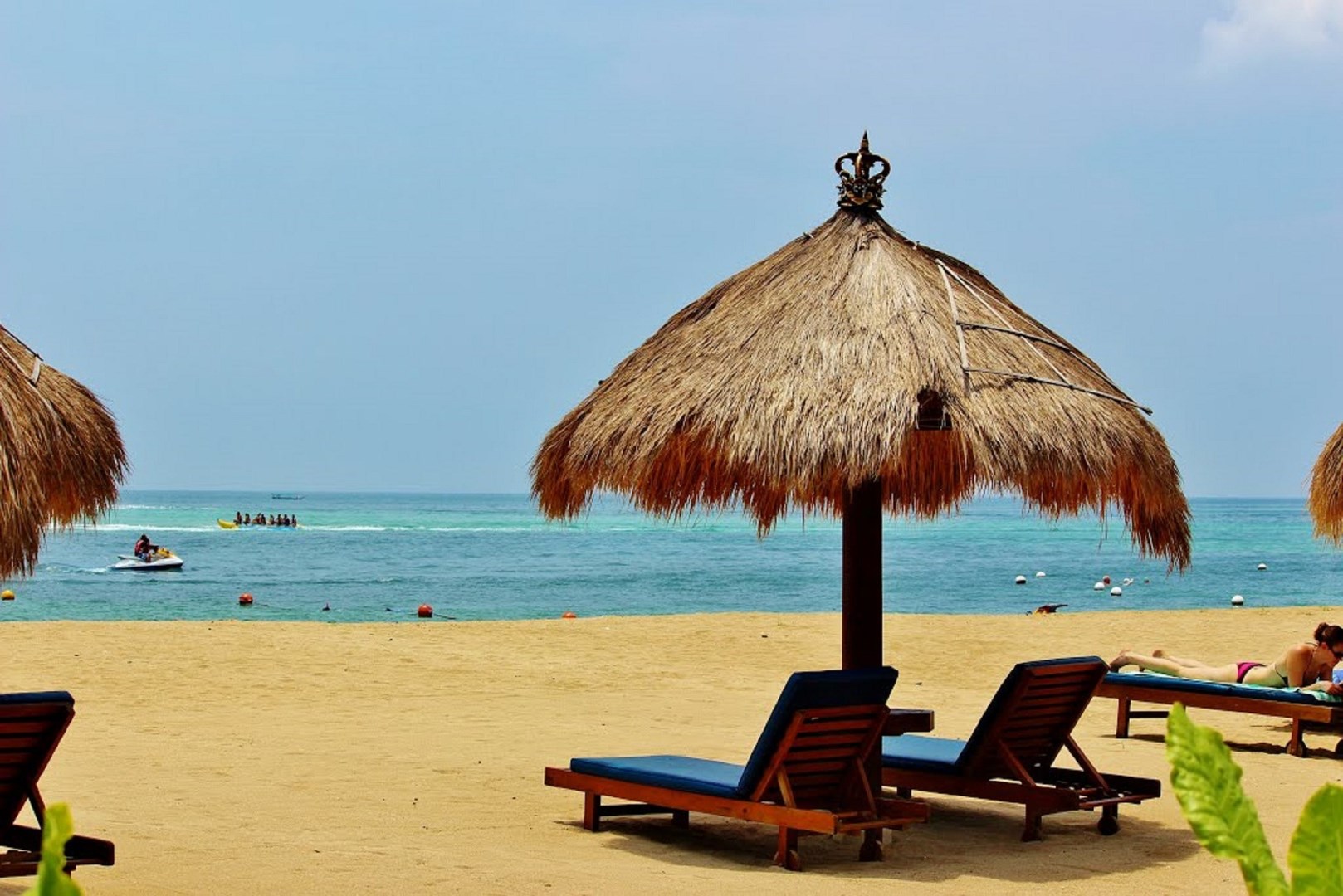
Nusa Dua Bali
Nusa Dua, located on the southern coast of Bali, Indonesia, is renowned for its pristine beaches, luxurious resorts, and world-class amenities. This upscale area is a haven for travelers seeking relaxation and rejuvenation amidst breathtaking scenery.

Qatar
Qatar invites discovery through both its modern ambition and traces of its desert heritage. In Doha, the Museum of Islamic Art, designed by I. M. Pei, rises over the waterfront to display centuries of calligraphy, ceramics, textiles, and metalwork. Nearby, the National Museum of Qatar presents the nation's story through exhibits and architecture shaped like the desert rose. Each space offers both insight and reflection.

Volterra
Nestled in the heart of Tuscany, Volterra offers a captivating journey through time with its well-preserved medieval charm and Etruscan roots. The city's history is evident as you wander through its narrow, winding streets, flanked by ancient walls that date back to the Etruscan period. The Roman Theater, built in the 1st century AD, is a testament to the city's significance in antiquity and provides an evocative glimpse into Volterra’s storied past.

Palma
Enchanting Palma is the capital of Mallorca, Spain’s island paradise in the Balearic Sea. This picturesque town boasts historic castles and cathedrals, glittering beaches, and some of the island’s best culinary delights. Don’t let this city’s small size fool you; Palma houses truly magnificent architectural gems that make this island getaway well worth exploring.
