

Dar Es Salaam
Dar es Salaam, Tanzania’s largest city and economic hub, offers visitors a vibrant mix of African, Arab, and European influences, making it one of East Africa’s most culturally diverse cities. With its bustling markets, lively waterfront, and historical sites, Dar es Salaam gives tourists a glimpse into the country’s rich history and dynamic present.
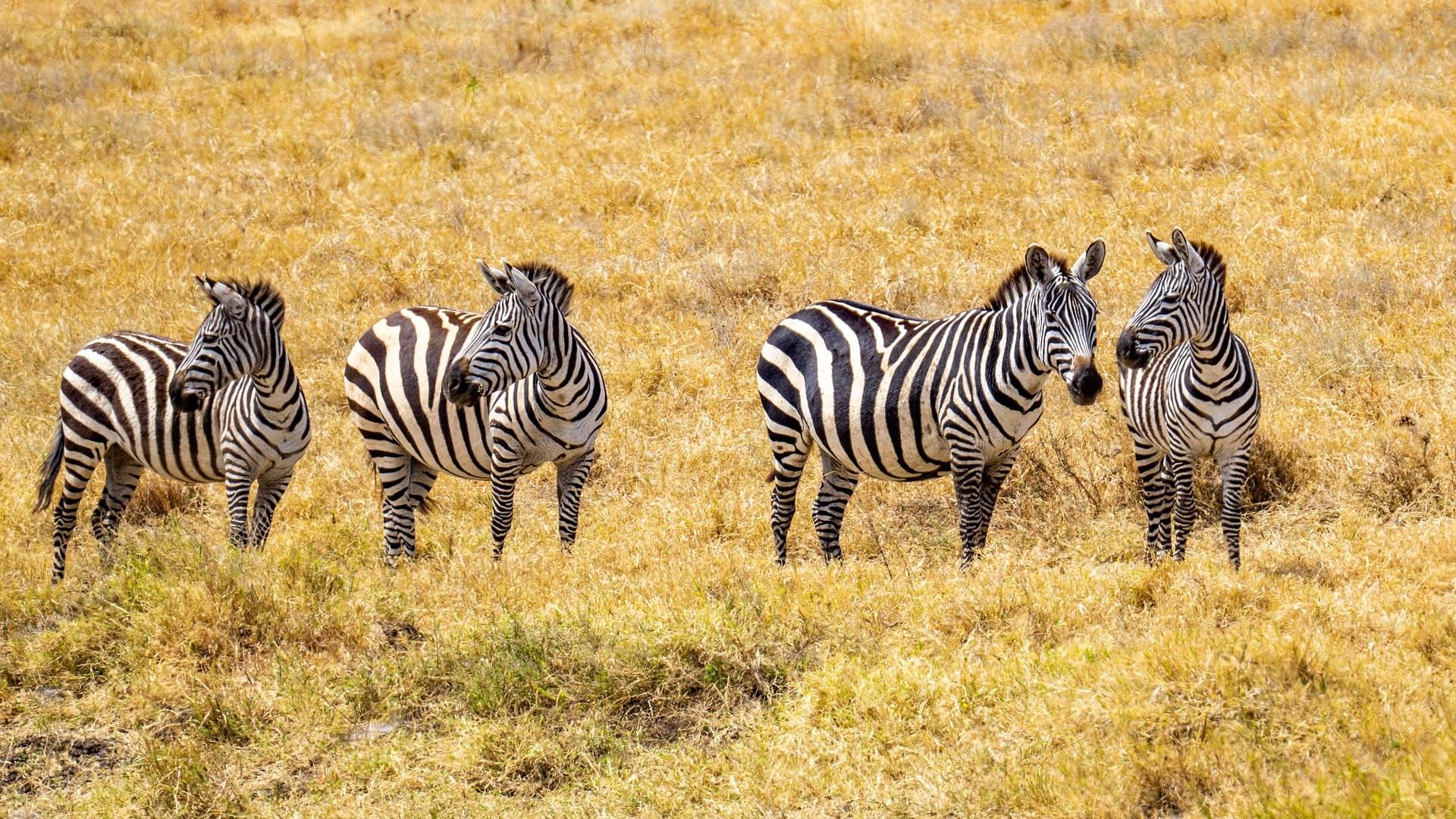
Tanzania
Tanzania, located in East Africa along the Indian Ocean, is a country of extraordinary landscapes and cultural diversity. It is home to Africa’s tallest peak, Mount Kilimanjaro, and vast plains such as the Serengeti, where wildlife roams freely across open savannas.
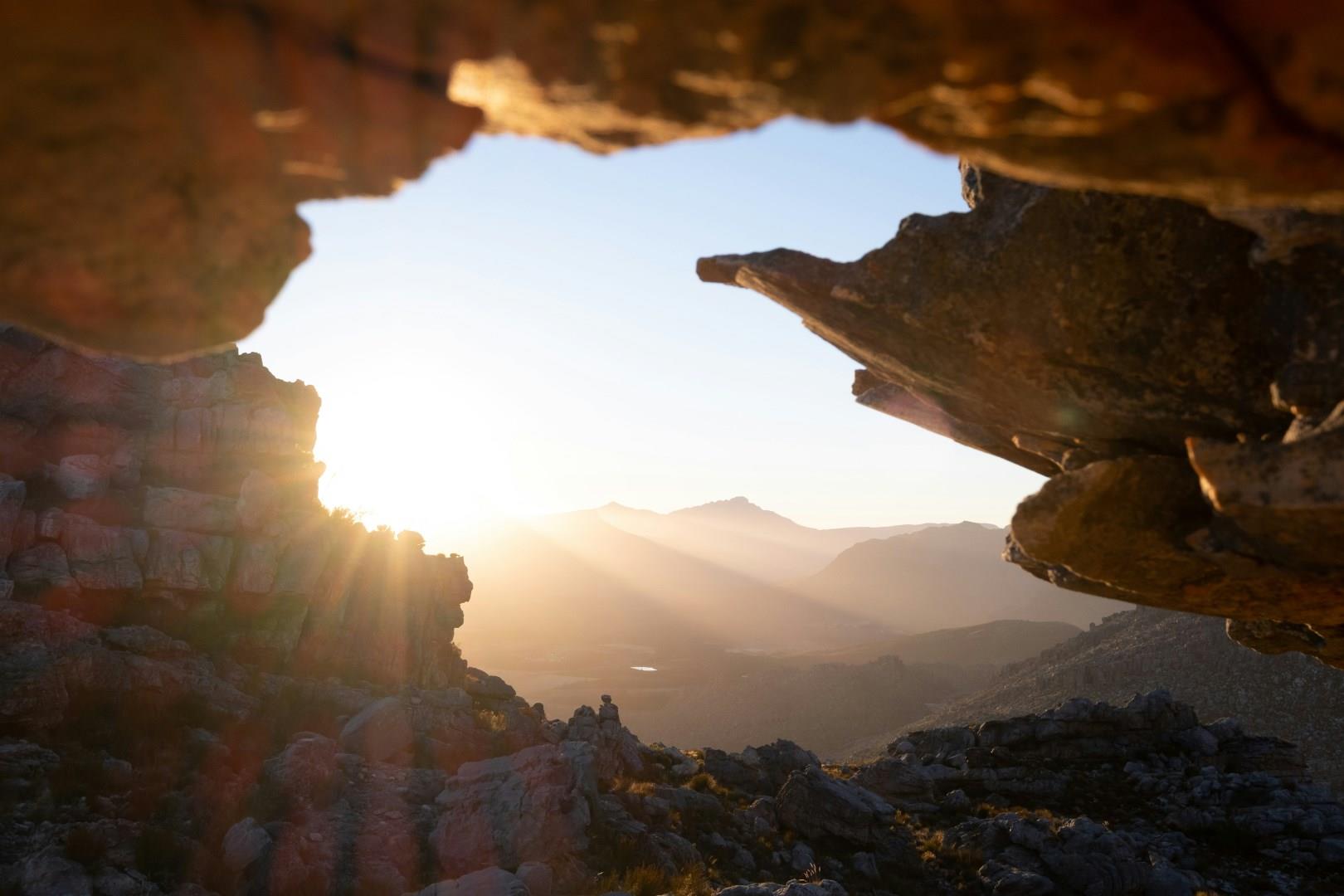
Cederberg
The Cederberg region in the Western Cape of South Africa is a striking land of rocky ridges, wide skies, and quiet valleys. Less than three hours’ drive from Cape Town, the jagged sandstone mountains rise in shapes that seem carved by giants, and shady kloofs hide wonders like ancient rock art that tell stories from thousands of years ago. Hikes to natural landmarks like Wolfberg Arch and the Maltese Cross take visitors deep into terrain shaped by time.
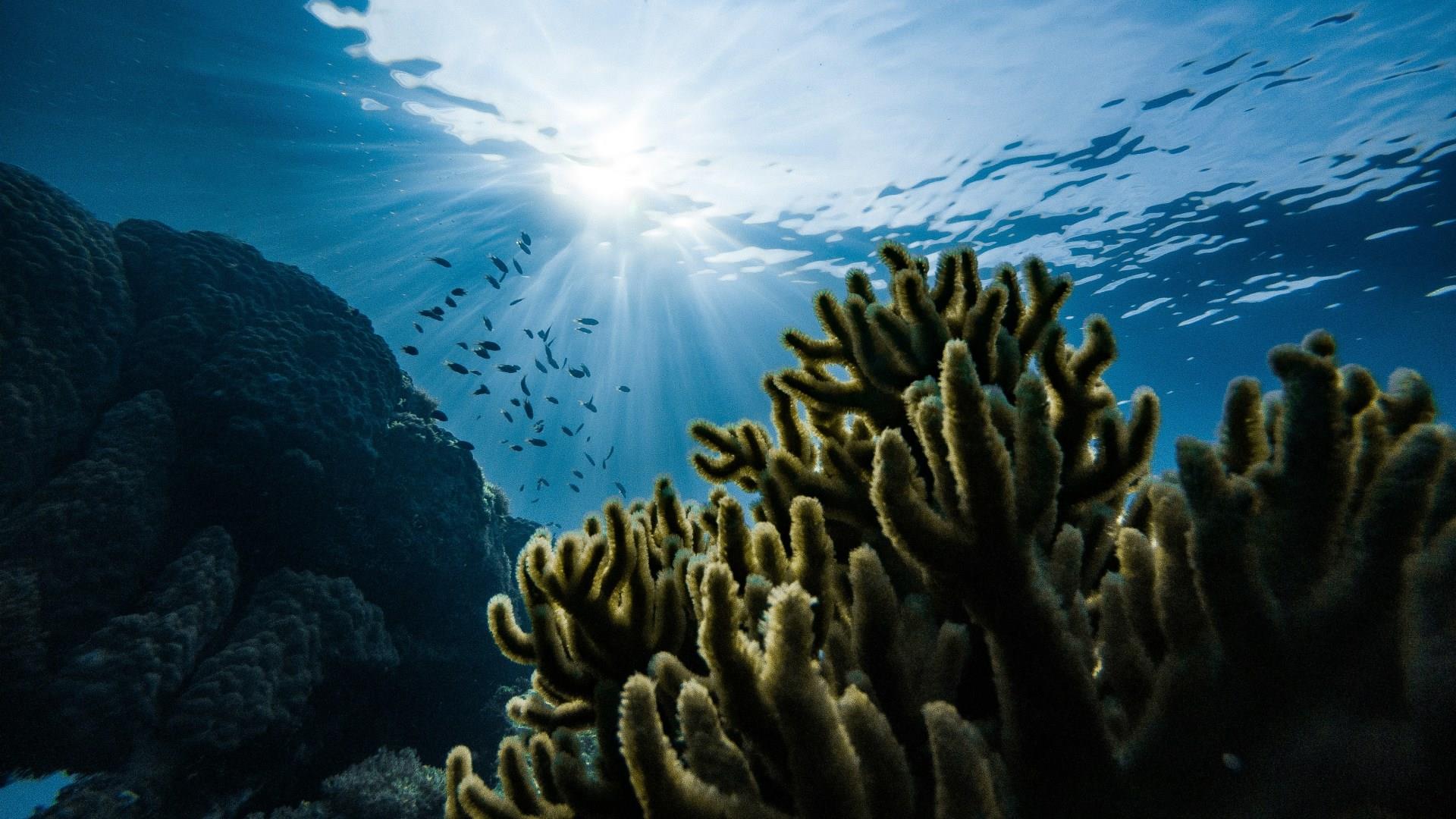
Chuuk
Chuuk, one of the four states of the Federated States of Micronesia, is best known for its vast lagoon which is one of the largest enclosed lagoons in the world. But what sets Chuuk apart is what lies beneath those calm blue waters: an entire underwater fleet of sunken warships, aircraft, and submarines left from World War II. Often called the "Ghost Fleet of Truk Lagoon," these wrecks make Chuuk a global destination for experienced divers.

Santiago
Flanked by the Chilean Coast Range and the snowy Andes, Chile's largest metropolis offers a dazzling array of sights and attractions for visitors to pursue. Mirrored skyscrapers, 16th-century churches, hip cafes, dance clubs... and did we mention the delicious Chilean cuisine?
