
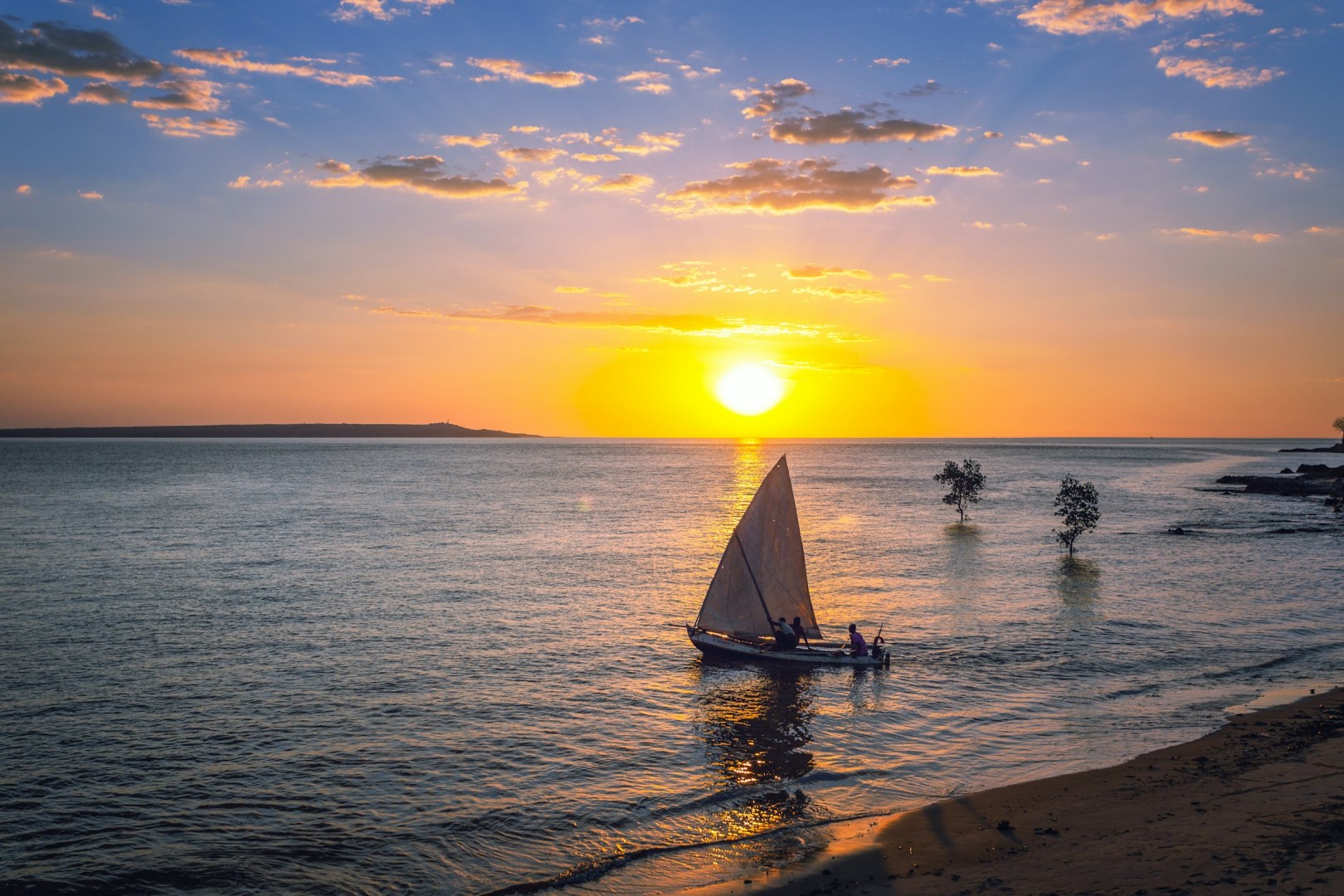
Mahajanga
Majunga, officially known as Mahajanga, is a picturesque coastal city in northwestern Madagascar that invites travelers with its vibrant culture and serene beauty. Situated along the Mozambique Channel, this port city is a gateway to some of Madagascar’s most stunning beaches and marine reserves. The city's palm-lined promenade, known as the Avenue of the Baobabs, is a local favorite, offering breathtaking views of the sunset over the ocean.

Valtice
Nestled in the wine-growing region of South Moravia, Valtice, Czech Republic, is a charming town known for its rich history and stunning architecture. The centerpiece of Valtice is the majestic Valtice Castle, a UNESCO World Heritage site that showcases an impressive Baroque façade and beautifully landscaped gardens.
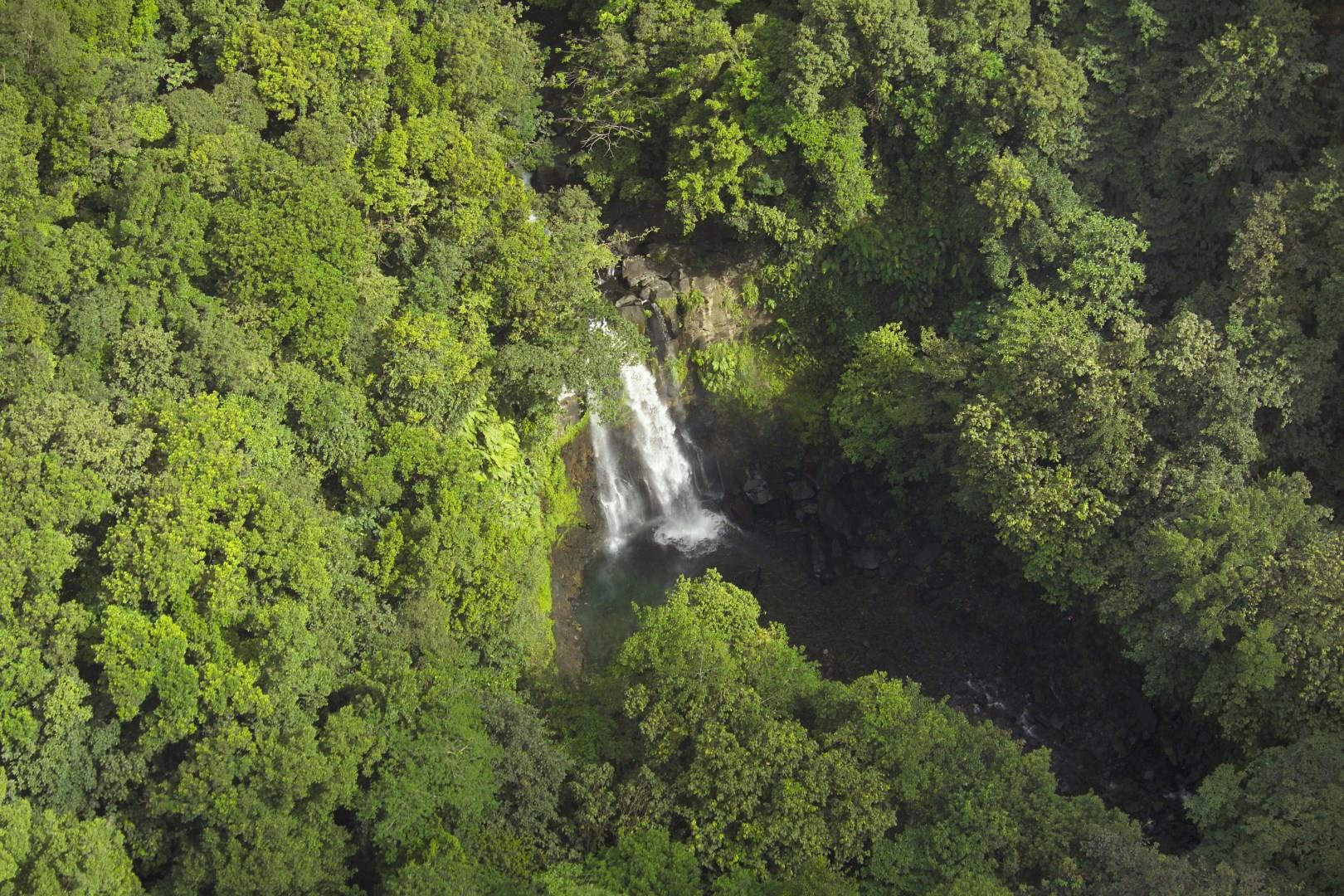
Basse-Terre
Basse-Terre, the western half of Guadeloupe, is a haven for nature enthusiasts and adventure seekers. Dominated by the towering La Soufrière volcano, the island boasts lush rainforests, dramatic waterfalls, and black sand beaches.
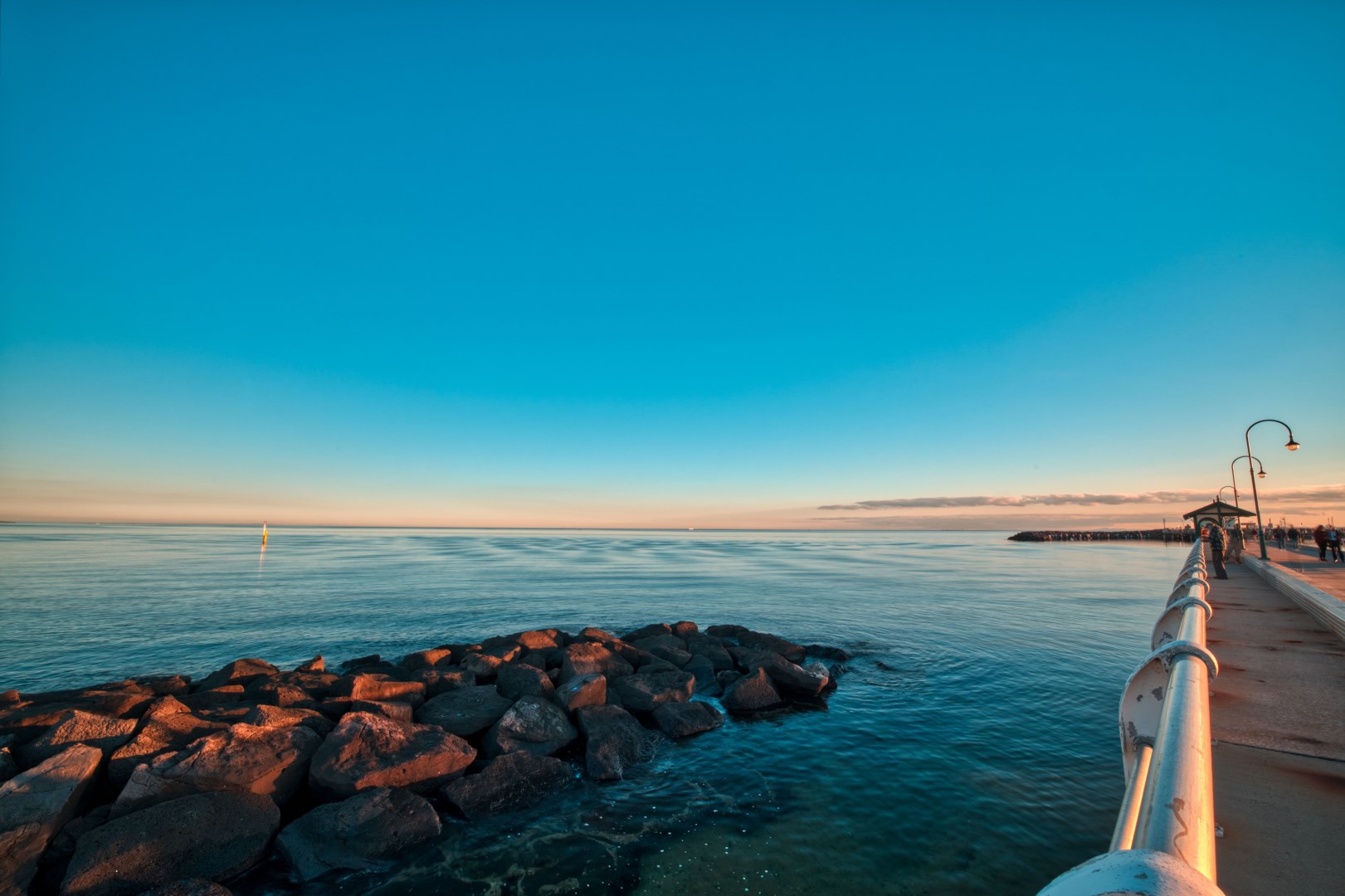
St. Kilda
Set along the shoreline of St Kilda, Victoria, Australia, this seaside suburb offers a relaxed coastal setting just minutes from central Melbourne, Victoria, Australia. Its wide promenade, lined with palm trees, draws both locals and visitors who come to walk, cycle, or simply watch the bay. The historic St Kilda Pier stretches into the water, offering open views of Port Phillip Bay and a steady breeze that carries the scent of salt and sea.

Willemstad
Willemstad, the capital of Curaçao, is unlike any other city in the Caribbean. With its pastel-colored buildings lining the waterfront and a layout shaped by Dutch colonial planning, the city blends European design with Caribbean culture. Its historic center, divided by Sint Anna Bay into Punda and Otrobanda, has been recognized as a UNESCO World Heritage Site.
