

Hartford
Hartford, Connecticut, is a city rich in history and culture, offering visitors a unique blend of New England charm and urban energy. Known as the “Insurance Capital of the World,” Hartford has deep roots in finance, but its appeal extends far beyond business. The city is home to stunning historic architecture, vibrant museums, and a lively arts scene. A visit to the Wadsworth Atheneum Museum of Art, the oldest public art museum in the U.S., is a must.
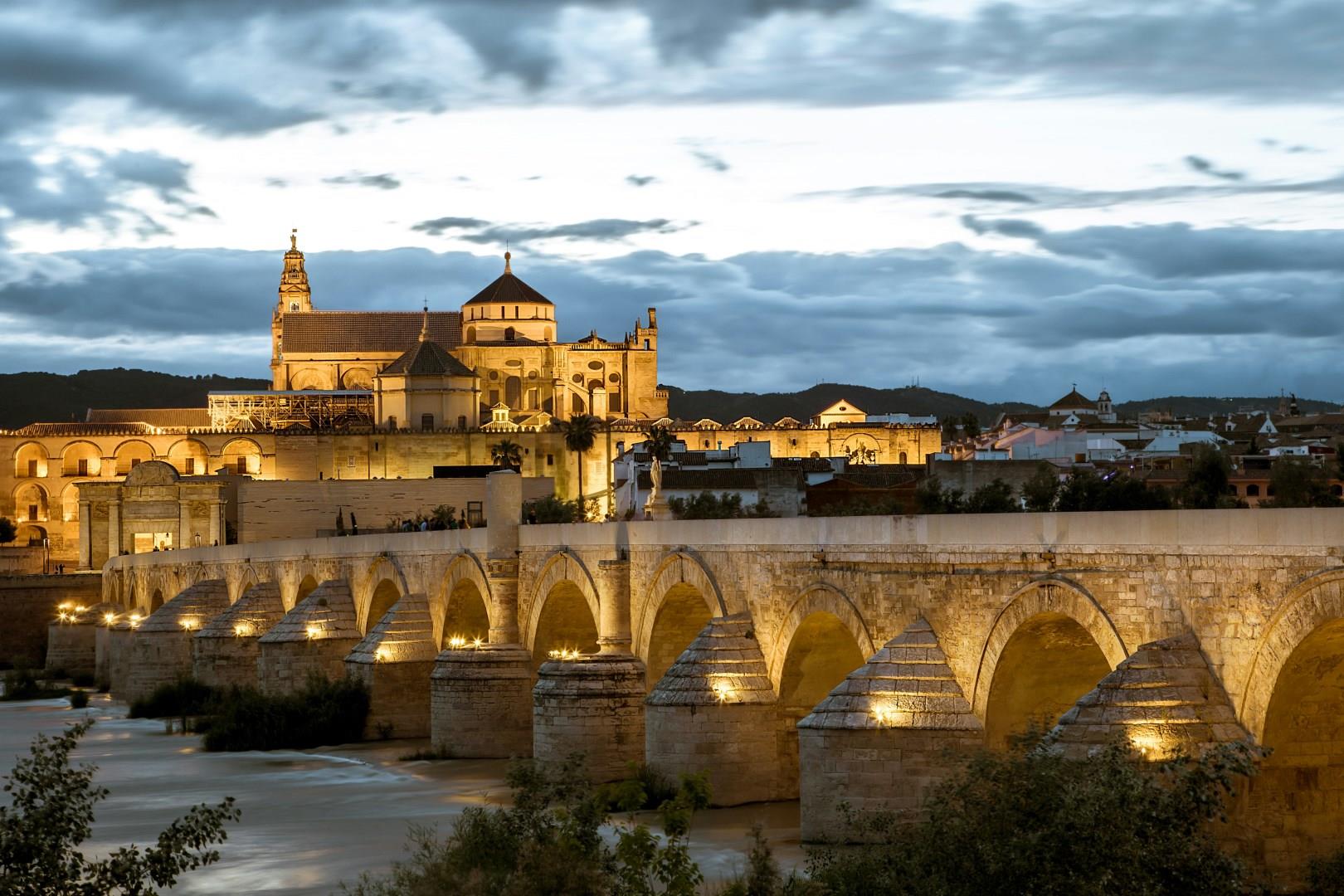
Córdoba
Córdoba, located in the heart of Andalusia, was once the most advanced city in Western Europe. During the 10th century, it served as the capital of Al-Andalus and was a center for learning, science, and art. Today, visitors walk the same streets that philosophers, poets, and physicians once crossed. The city’s most famous landmark, the Mezquita-Catedral, reflects its layered past. The red and white horseshoe arches inside are one of the most photographed interiors in Spain.
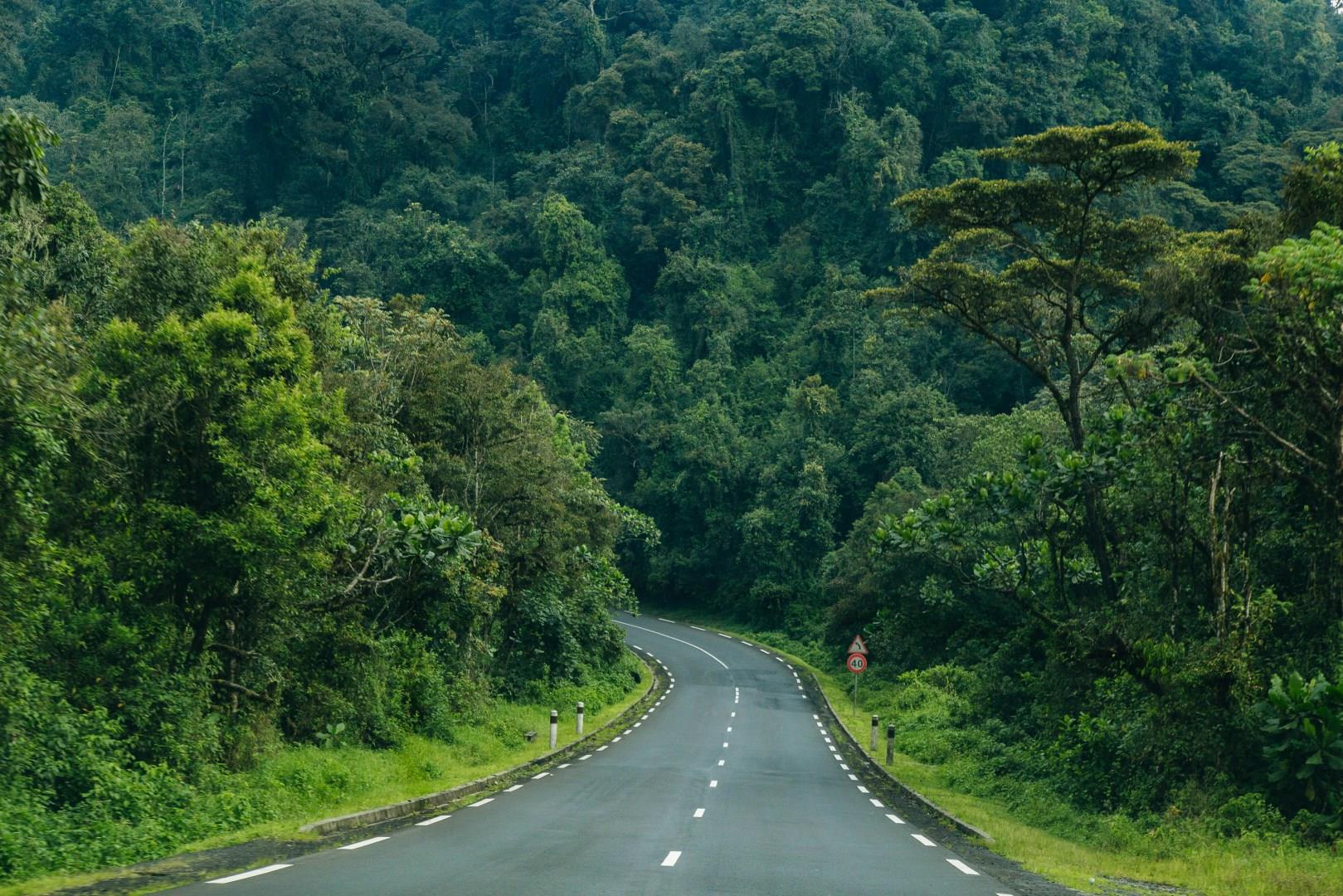
Nyungwe Forest National Park
Nyungwe Forest National Park, in southwestern Rwanda, is one of Africa’s oldest rainforests and a sanctuary of biodiversity. Spanning more than 1,000 square kilometers, the park shelters a wealth of wildlife, including over 300 bird species, 1,000 plant species, and an impressive 13 primate species.

Austria
Austria is located just east of Switzerland; northeast of Italy. The foremost attraction is skiing or hiking the Alps--equally breathtaking whether you're among its glorious peaks or at ground level. Visit the capital of Vienna, with its original coffee houses and the opera; or take a country drive and visit its charming villages.

Cambodia
Cambodia, located in Southeast Asia, is a country known for its rich history, ancient temples, and vibrant culture. The landscape is diverse, with the Mekong River flowing through fertile plains, lush forests, and scenic highlands.
