

St. Ives
St. Ives, a picturesque seaside town on the north coast of Cornwall, England, is a charming blend of stunning natural beauty and rich cultural heritage. With its golden sandy beaches, crystal-clear waters, and quaint cobbled streets, St. Ives has long been a haven for artists, surfers, and sun-seekers alike. The town's vibrant atmosphere is palpable in its bustling harbor, where fishing boats sway with the tide and seaside cafés offer fresh, locally caught seafood.

Kimberley
Whether trekking through rugged landscapes, cruising through river gorges, or learning about one of the world’s oldest cultures, the Kimberley offers a truly unique experience. It's a destination unlike any other, where nature and history come together in one of Australia’s most extraordinary regions.
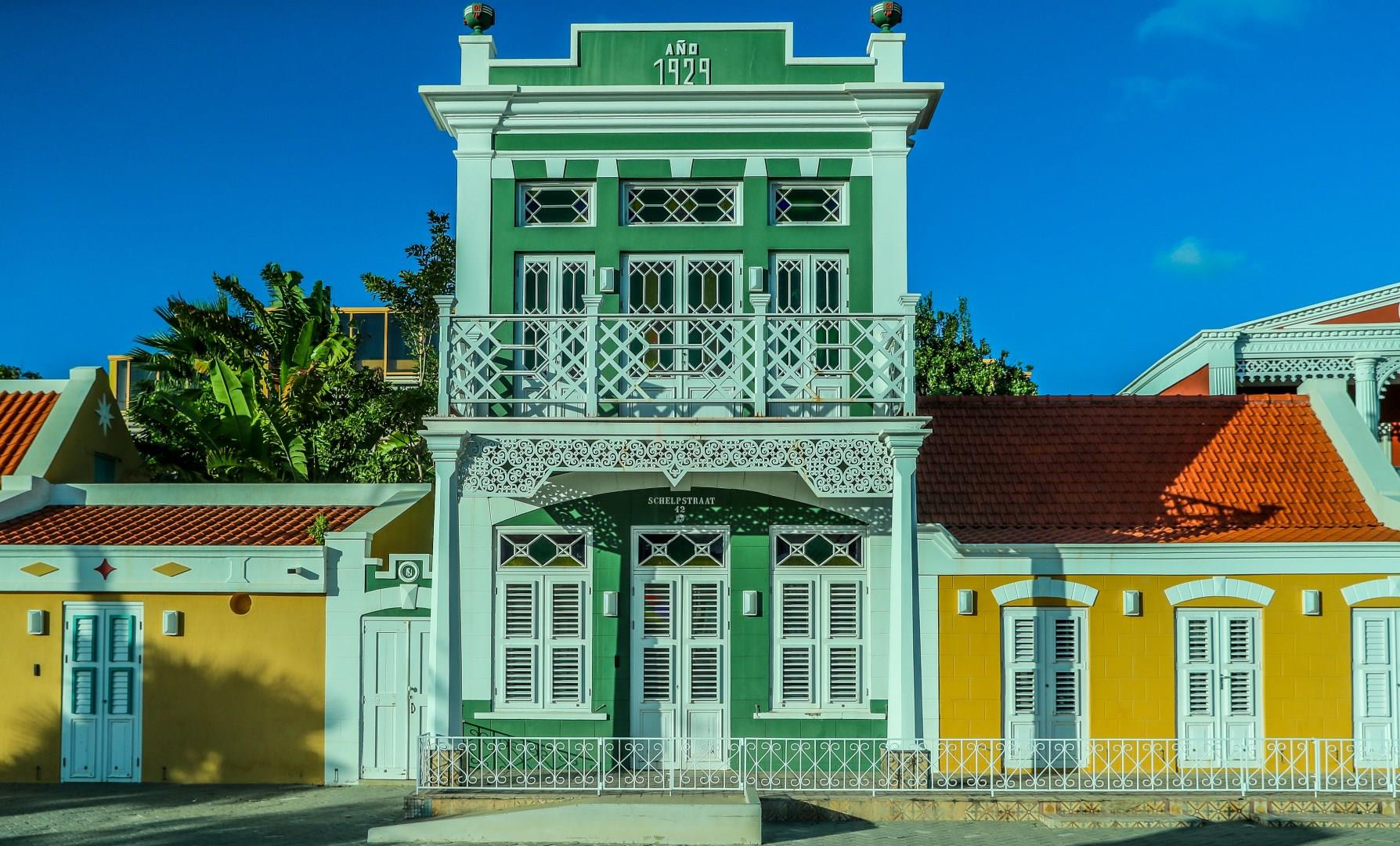
Oranjestad
Oranjestad, Aruba’s colorful capital, blends Dutch colonial charm with the island’s easygoing Caribbean character. The city’s pastel-painted buildings, adorned with gables and decorative facades, recall its Dutch heritage while housing modern boutiques, cafés, and museums.

Rarotonga Island
Rarotonga, the vibrant heart of the Cook Islands, offers visitors a chance to experience island life with striking scenery and rich tradition. This volcanic island is only 32 kilometers around, making it easy to explore by scooter or bicycle in a single day. From the lush mountains of the interior to the lagoon that wraps around the coast, Rarotonga feels intimate but never short on discovery.

Linz
Midway between Salzburg and Vienna, Linz boasts beautiful Baroque buildings, including Old Town Hall and the Old Cathedral, Alter Dom. Lentos Kunstmuseum Linz has a major modern art collection and across the river, the striking Ars Electronica Center focuses on society, technology, and the future. Some of Austria's most iconic figures, including Adalbert Stifter, composers Wolfgang Mozart and Anton Bruckner, and the famous scientist Johannes Kepler, once called Linz home.
