

Costa Brava
The Costa Brava coastal region, in northeastern Spain, offers excellent beaches and a typical Mediterranean climate, making it an enticing holiday destination. While parts of the Costa Brava coastline have been exploited by large-scale tourist developments, other areas have retained their traditional roots.
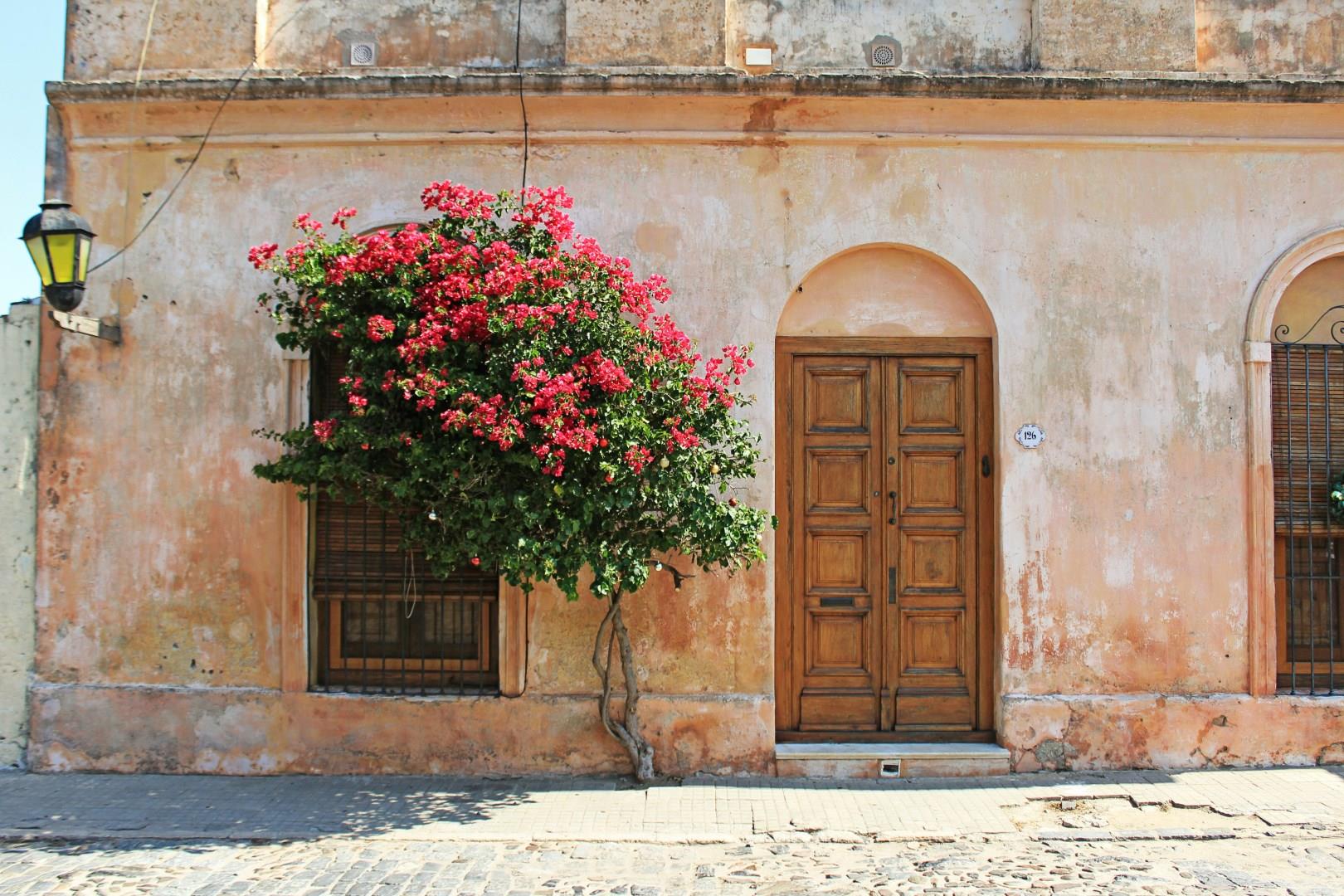
Colonia del Sacramento
Colonia del Sacramento is where time lingers. Founded in 1680 by the Portuguese and later contested by the Spanish, the town’s past is etched into its cobblestone streets and weathered facades. The Barrio Histórico, a UNESCO World Heritage Site, is compact enough to walk in an afternoon yet layered with centuries of stories. Visitors can explore remnants of the original city walls and climb the iconic lighthouse for sweeping views of the Río de la Plata.

Virgin Islands
The Virgin Islands, an archipelago in the northeastern Caribbean, are divided between the United States and the United Kingdom, each offering a distinct flavor while sharing the same breathtaking landscapes. These islands are known for their lush hillsides, crescent-shaped beaches, and some of the clearest waters in the region.
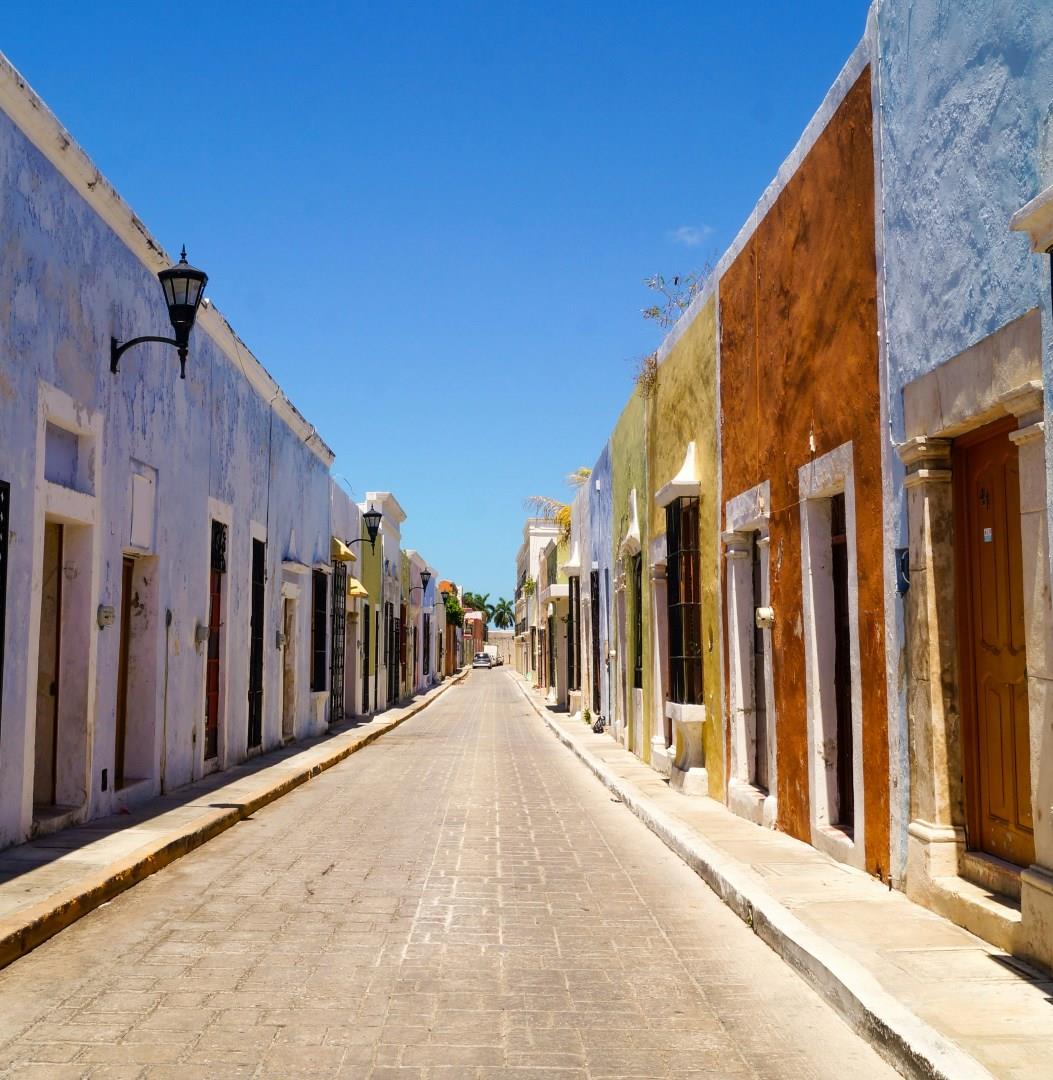
Campeche
The state of Campeche, located on the western edge of the Yucatán Peninsula, is a hidden gem waiting to be discovered by adventurous travelers. Rich in history, culture, and natural beauty, Campeche offers a unique blend of colonial charm and ancient Maya heritage. The state capital, also named Campeche, is a UNESCO World Heritage Site, renowned for its well-preserved Baroque architecture and colorful, pastel-hued buildings.

Elephant Island
Elephant Island, a remote outcrop off the coast of Antarctica, is not your average travel destination. Known for its dramatic cliffs, towering glaciers, and wild, ice-laced seas, this island is both stark and unforgettable. Located 245 kilometers northeast of the Antarctic Peninsula, Elephant Island is rarely visited except by specialized expedition cruises.
