
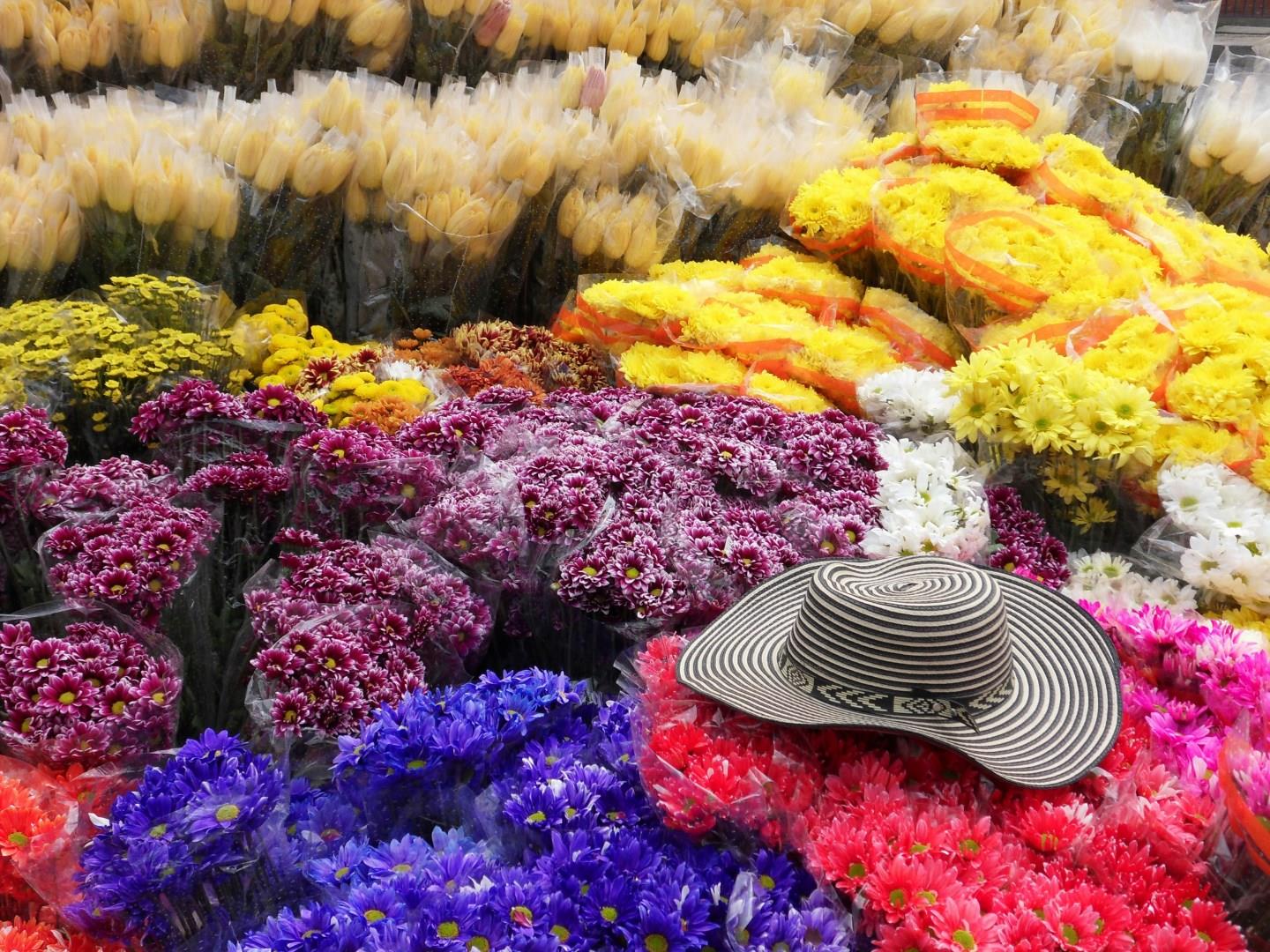
Bogotá
Bogotá, the vibrant capital of Colombia, sits high in the Andes at 2,640 meters above sea level. The city balances historic charm with modern energy, where cobblestone streets meet bold street art and colonial churches stand beside sleek galleries and cafes. At the heart of it all is La Candelaria, Bogotá’s oldest neighborhood, where travelers can visit centuries-old buildings, including the neoclassical Capitol and the richly decorated Gold Museum.

USA
Spanning from the Atlantic to the Pacific, its geography encompasses everything from mountain ranges and fertile plains to vibrant cities and quiet coastal towns. Each region tells its own story.

Ushuaia
Are you ready to go to the End of the World? Stunning views of snow-capped mountain peaks await you in Ushuaia, located on the southernmost tip of South America. This small coastal town sits between the Martial Mountains and the Beagle Channel and is a popular embarkation point for Antarctic cruises. Visit some of Ushuaia's popular attractions, including Les Éclaireurs Lighthouse, Tierra del Fuego National Park, Lapataia Bay, and the Museo del Fin del Mundo.

Molde
Nestled along the fjord-studded coastline of Norway, Molde is renowned for its breathtaking natural beauty and rich cultural heritage. Often called the "City of Roses" for its flourishing gardens and floral displays, Molde offers visitors a stunning panorama of 222 mountain peaks visible from its scenic viewpoints, including the renowned Varden Viewpoint. This spot provides an unparalleled vista of the surrounding fjords and peaks, making it a must-see for any nature enthusiast.
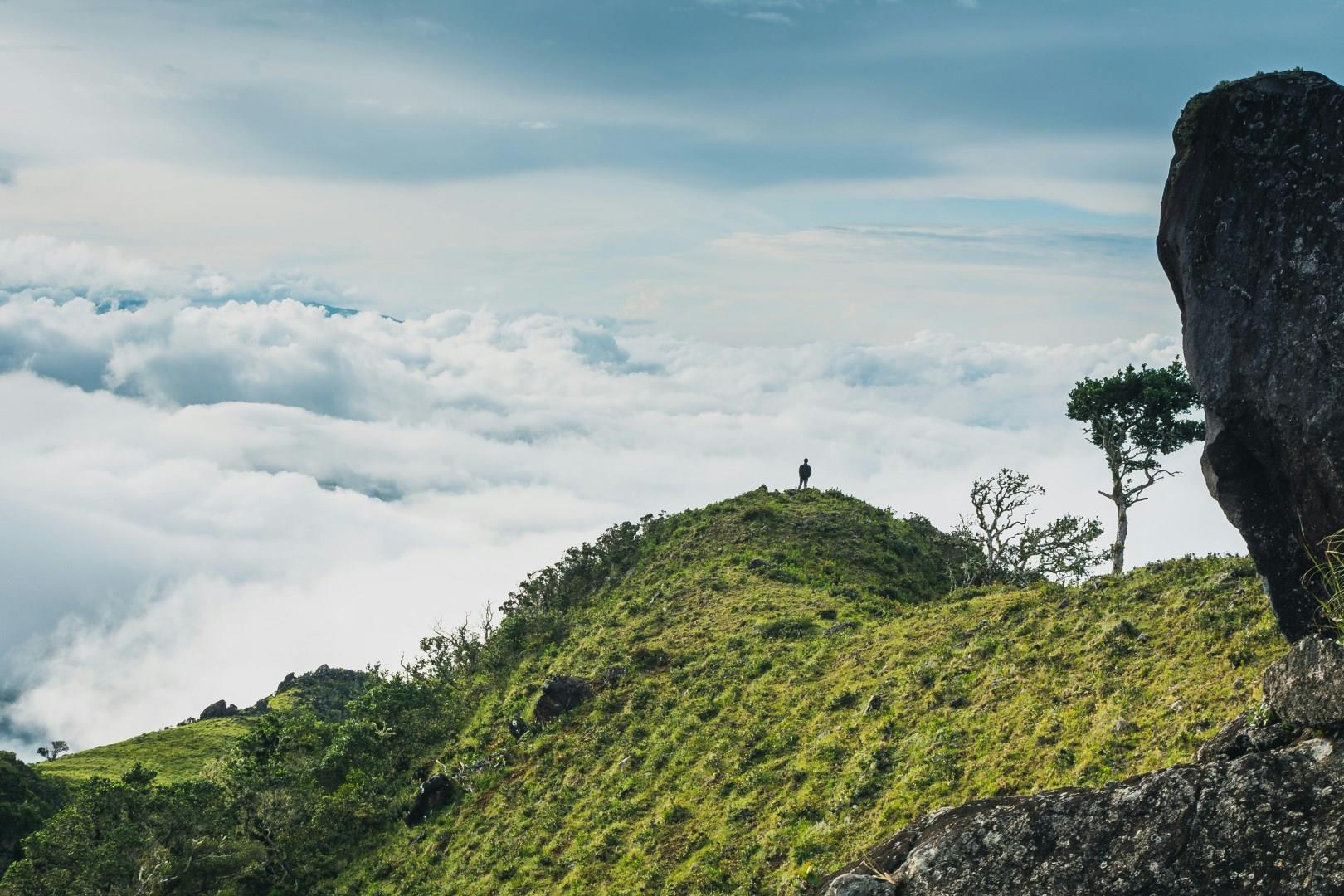
Boquete Valley
Boquete Valley, nestled in the highlands of Panama near the Baru Volcano, is a lush retreat known for its cool climate, verdant hills, and coffee plantations.
