
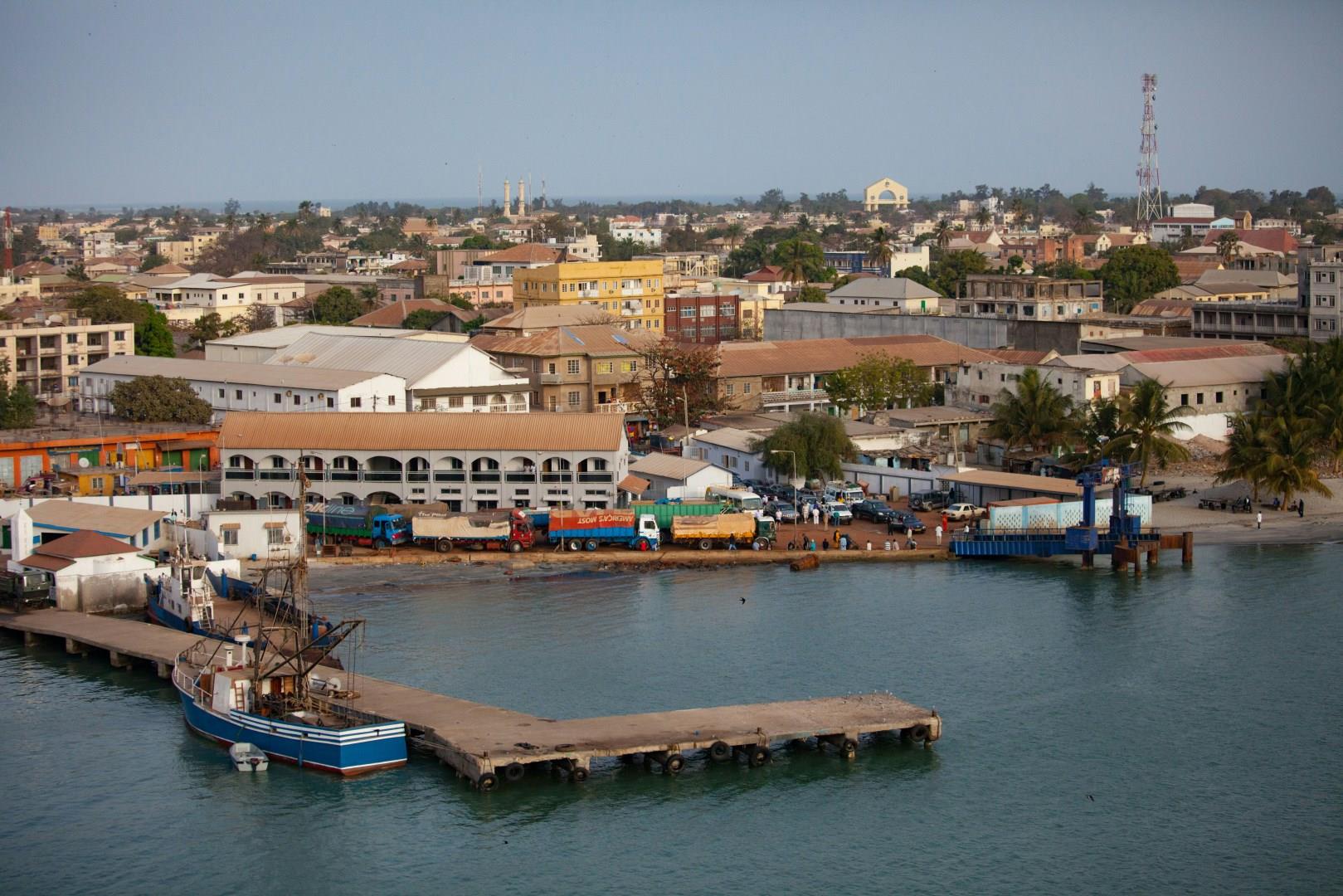
Banjul
Banjul, the capital of The Gambia, is located on St. Mary’s Island at the mouth of the Gambia River, giving it a unique waterfront setting.

Malaysia
Located in Southeast Asia, Malaysia consists of two distinct regions—Peninsular Malaysia and Malaysian Borneo—each offering unique opportunities. With its stunning landscapes and world-class food scene, Malaysia offers an unforgettable travel experience.
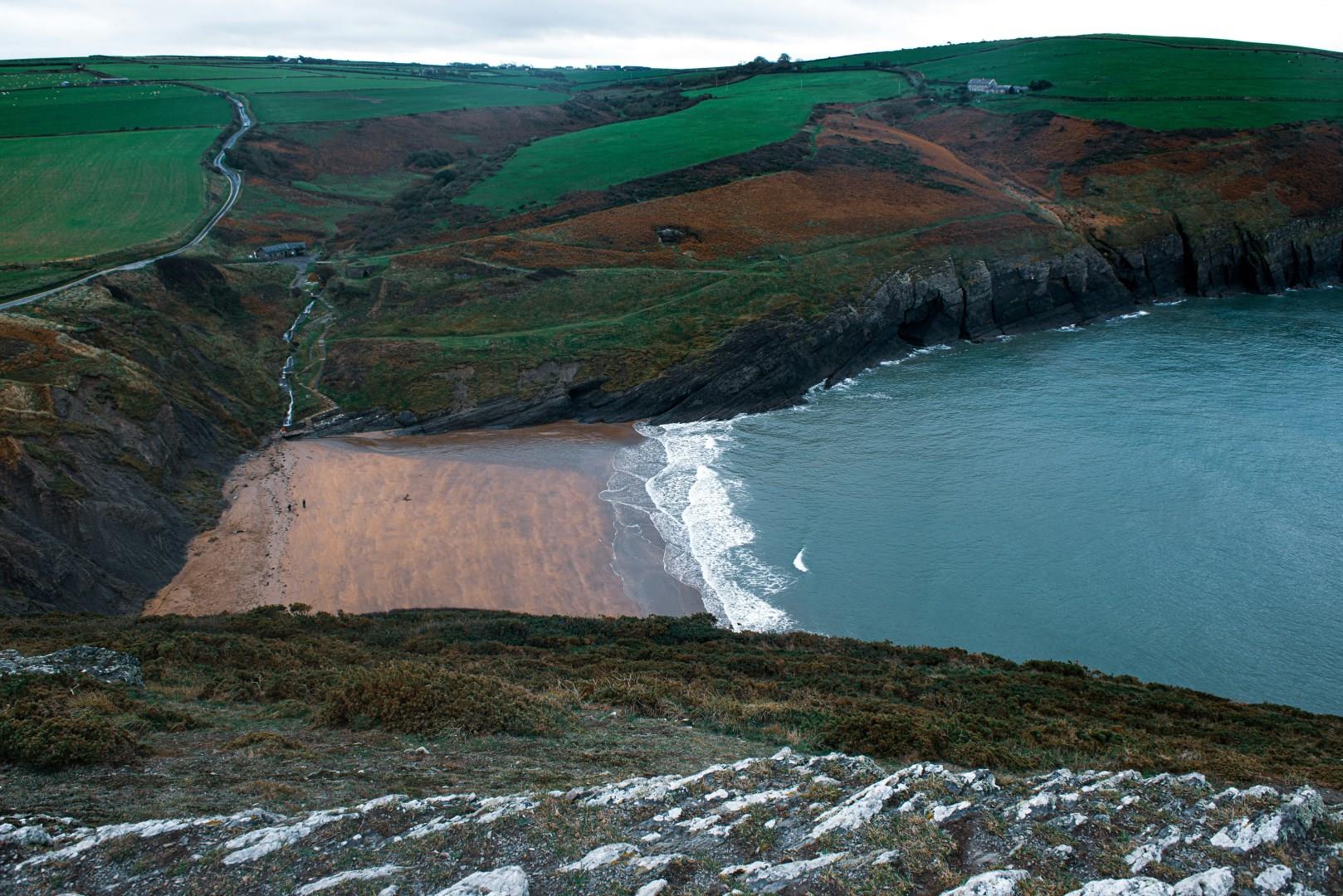
Cardigan
Cardigan sits on the west coast of Wales, where the River Teifi reaches the wide sweep of Cardigan Bay. At the heart of town stands Cardigan Castle, where battlements and gardens overlook the Teifi. The castle’s history includes the first recorded National Eisteddfod in Wales, a cultural competition of music, poetry and performance that still inspires events across the country.

Puerto Madryn
Puerto Madryn is a seaside city on the eastern coast of Argentina. Facing Golfo Nuevo and the South Atlantic Ocean, this coastal destination is popular for its beaches, marine life, nature preserves, and Patagonian museums.

Seattle
Seattle is a city shaped by water, mountains, and innovation. Its skyline, dominated by the Space Needle, tells only part of the story. Beneath it lies a vibrant mix of neighborhoods, each with its own character. Seattle was the birthplace of grunge music and remains a stronghold for independent arts. The Museum of Pop Culture (MoPOP), located at the Seattle Center, celebrates the city’s creative spirit with exhibits on everything from Nirvana and Jimi Hendrix to science fiction and gaming.
