
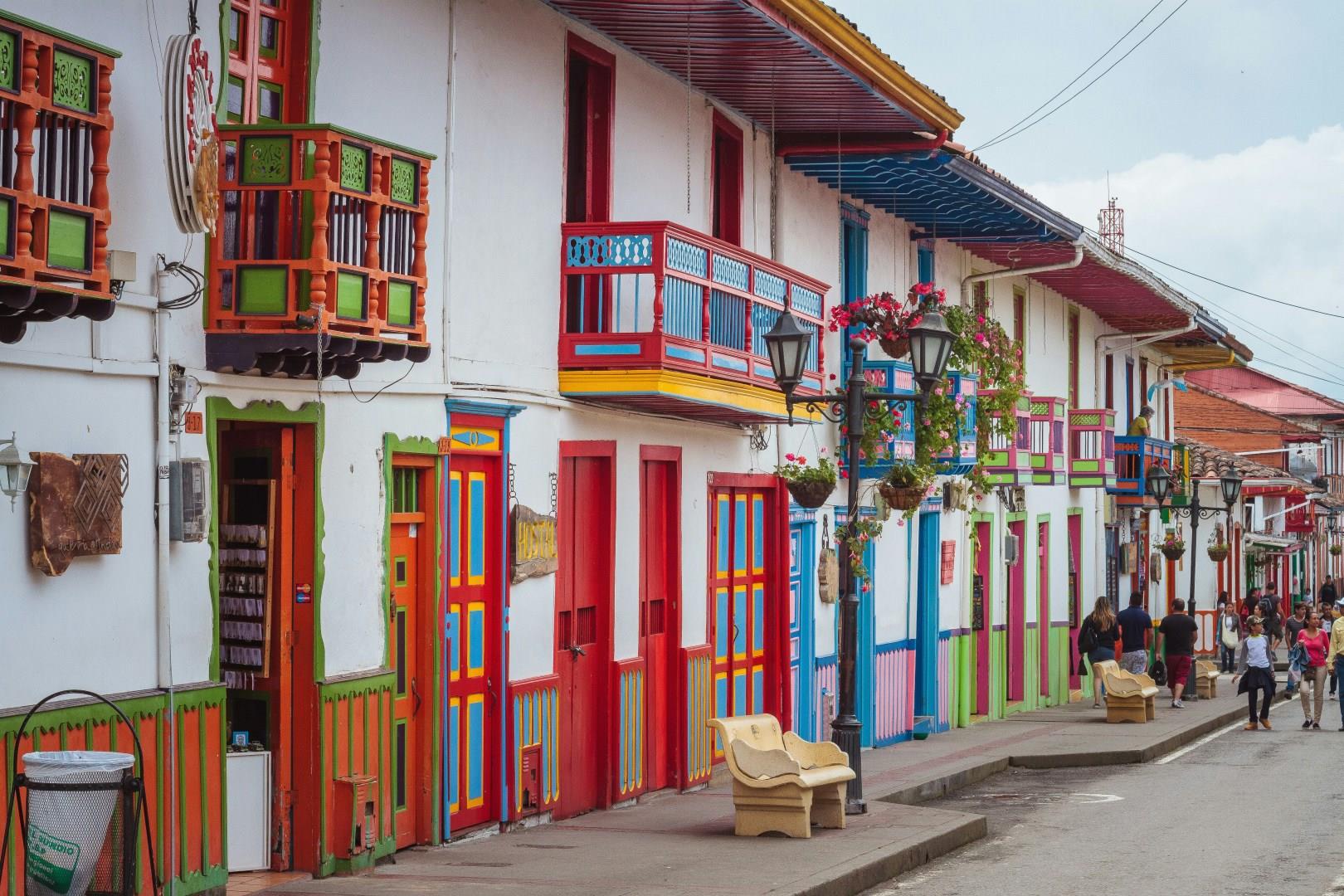
Salento
Salento is the sun-kissed peninsula at the southern tip of Italy’s Puglia region, where history, seaside views, and lively local customs create a destination unlike any other. Its coastline stretches between the Adriatic and Ionian seas, offering beaches with clear, turquoise water and soft sand at places like Torre dell’Orso, Punta Prosciutto, and Porto Cesareo, each with its own character and allure for visitors exploring the shore.
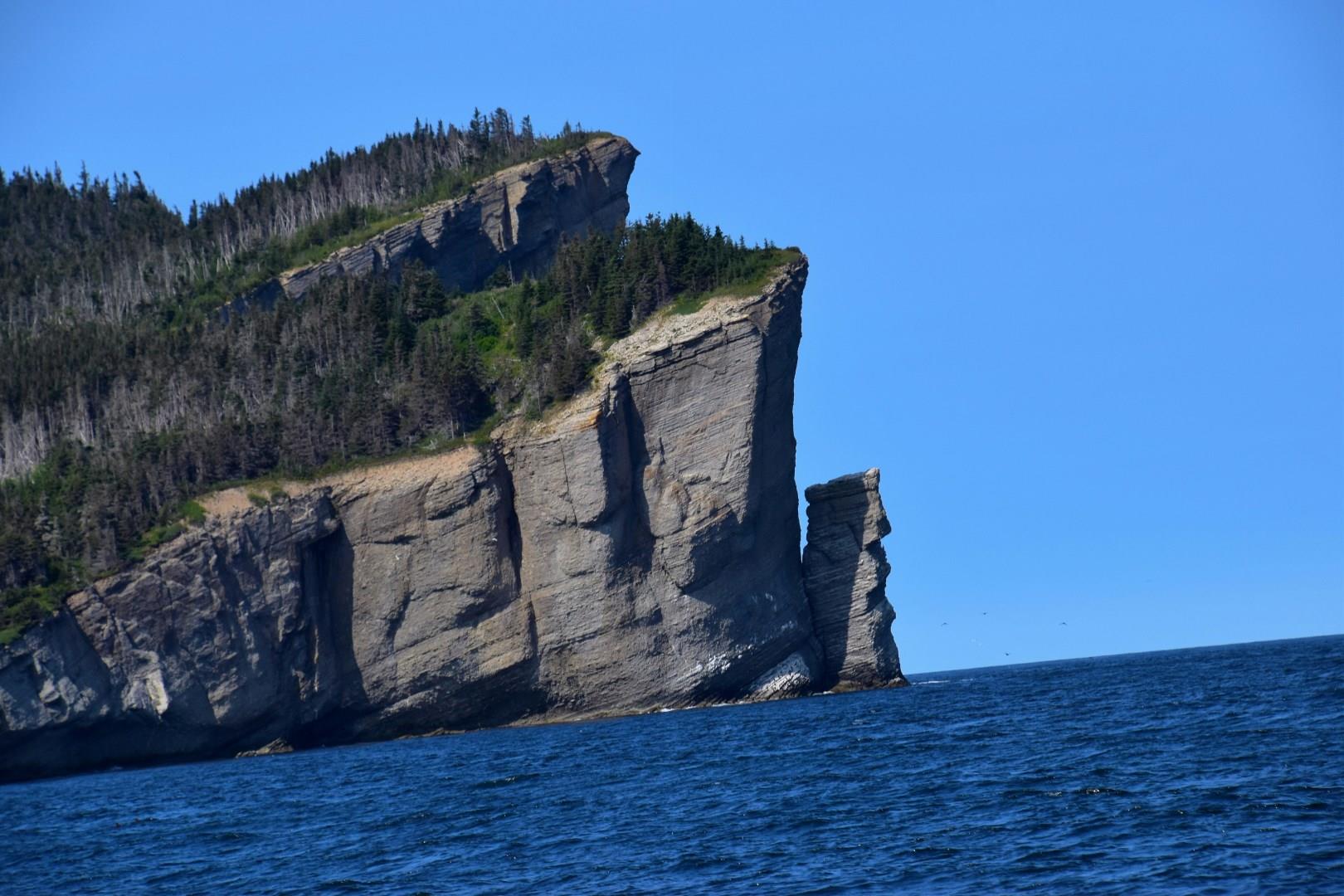
Gaspe
Gaspé sits at the eastern tip of the Gaspé Peninsula in Québec, where the St. Lawrence River opens into the Gulf and the land feels distinctly maritime.
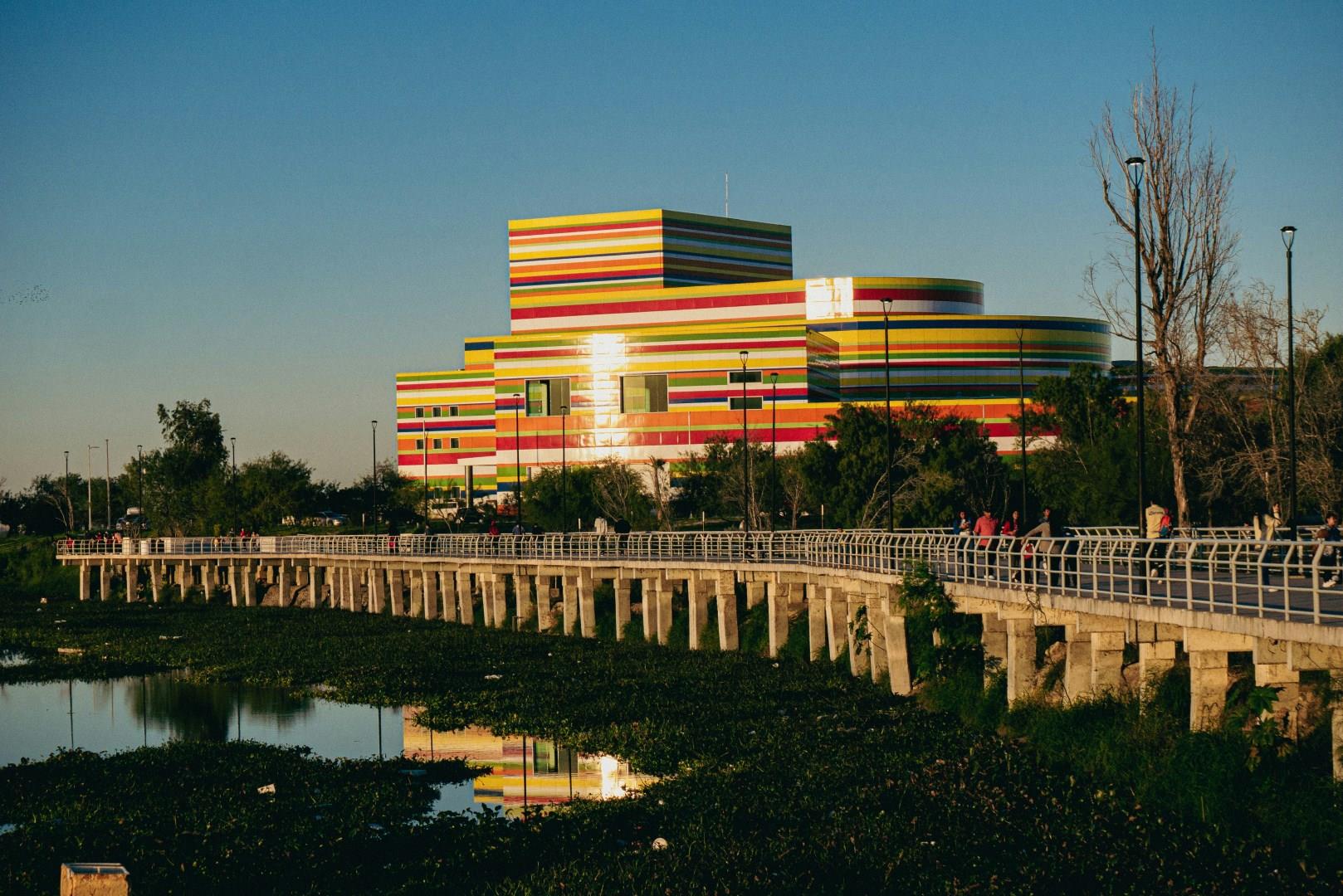
Reynosa
Reynosa, located along the northern border of Tamaulipas, is a city shaped by its position as a cultural and economic bridge between Mexico and the United States. Founded in 1749, Reynosa has grown into a vital manufacturing and trade center, but it also holds onto traditions that reflect both its regional roots and binational influences. The Plaza Principal is a popular gathering spot, often hosting live music and seasonal festivals.

Rhine River
Whether cruising along its waters, exploring historic towns, or simply soaking in the scenic views, the Rhine River offers an experience that is as diverse as the countries it passes through.
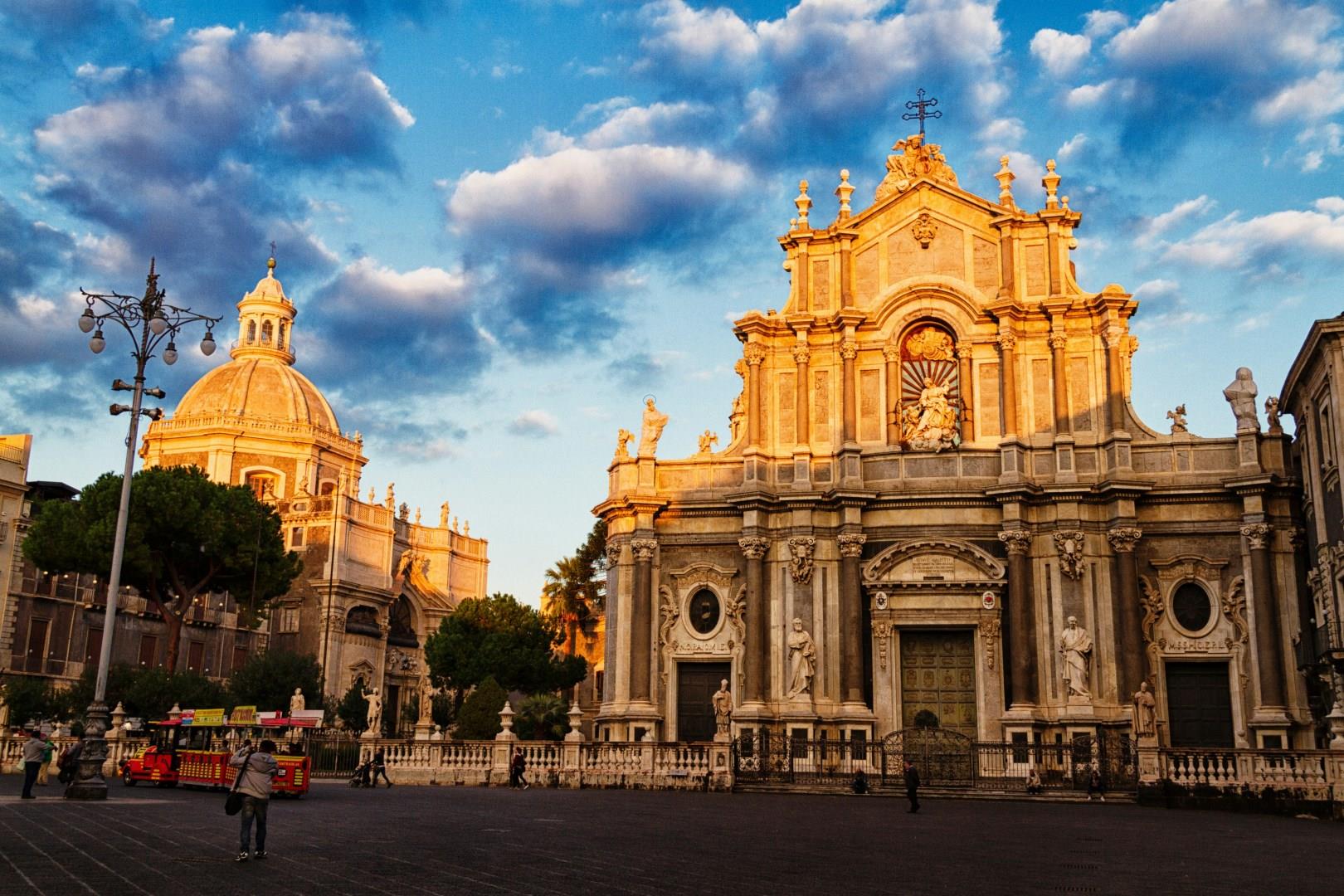
Catania
Catania, nestled on the eastern coast of Sicily, is a city shaped by fire and stone. Built from the black lava of Mount Etna, it’s a landscape filled with energy and contrasts from its Baroque palaces to its open air fish markets. At the heart of the city stands the Piazza del Duomo, where the iconic Fontana dell’Elefante, which is carved from volcanic rock, greets every visitor who passes by.
