

Brighton
Brighton, a vibrant seaside city on England's southern coast, has long been a favorite getaway for those seeking a mix of culture, history, and the sea. Its most famous landmark, the Royal Pavilion, is an architectural wonder with its exotic, Indian-inspired domes and minarets. Originally built for King George IV as a lavish seaside retreat, the palace today offers visitors a glimpse into royal opulence with its richly decorated interiors and sprawling gardens.

Amsterdam
Amsterdam, the 17th century capital of Holland, is often called the "Venice of the North" due to its numerous, boat-navigable canals. Truly rich in history, the oldest part of this populous, multicultural city is Sloten, which dates all the way back to the 9th century.
Amarante
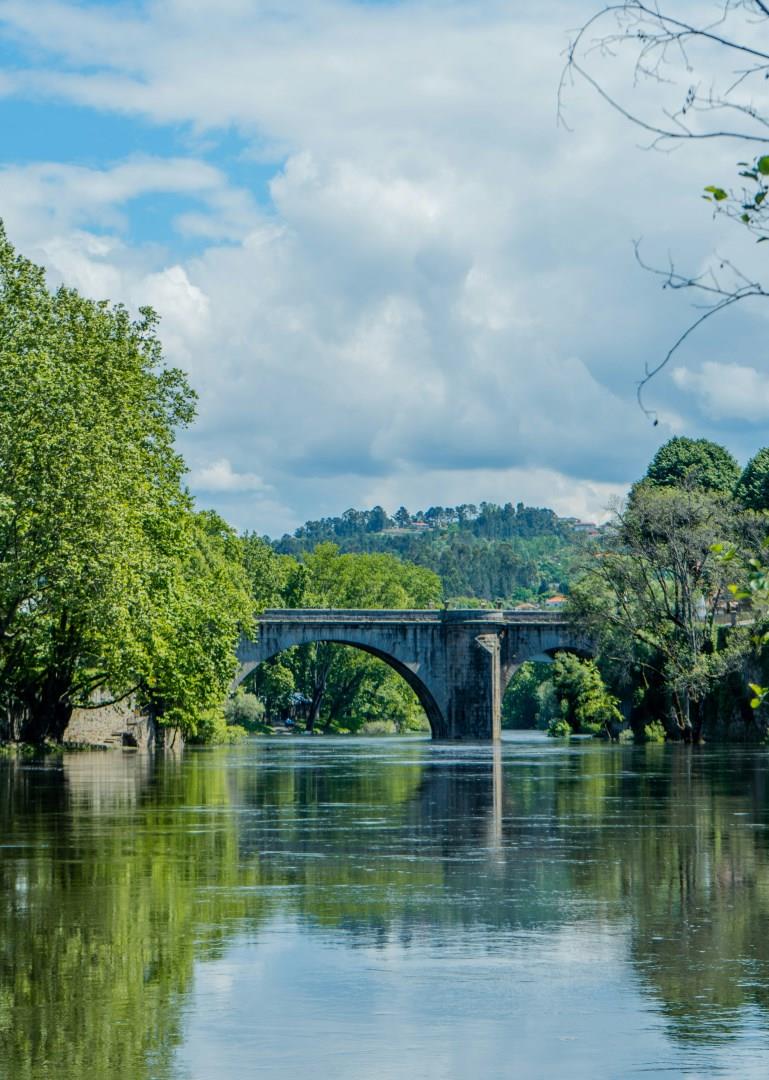
Amarante, located in Portugal’s northern region of Tâmega e Sousa, sits quietly along the banks of the Tâmega River, framed by stone bridges, historic churches, and lush hills. The city is best known for its connection to São Gonçalo, a 13th-century monk whose name now graces the arched bridge and the grand convent-church that stands beside it.
Montagu
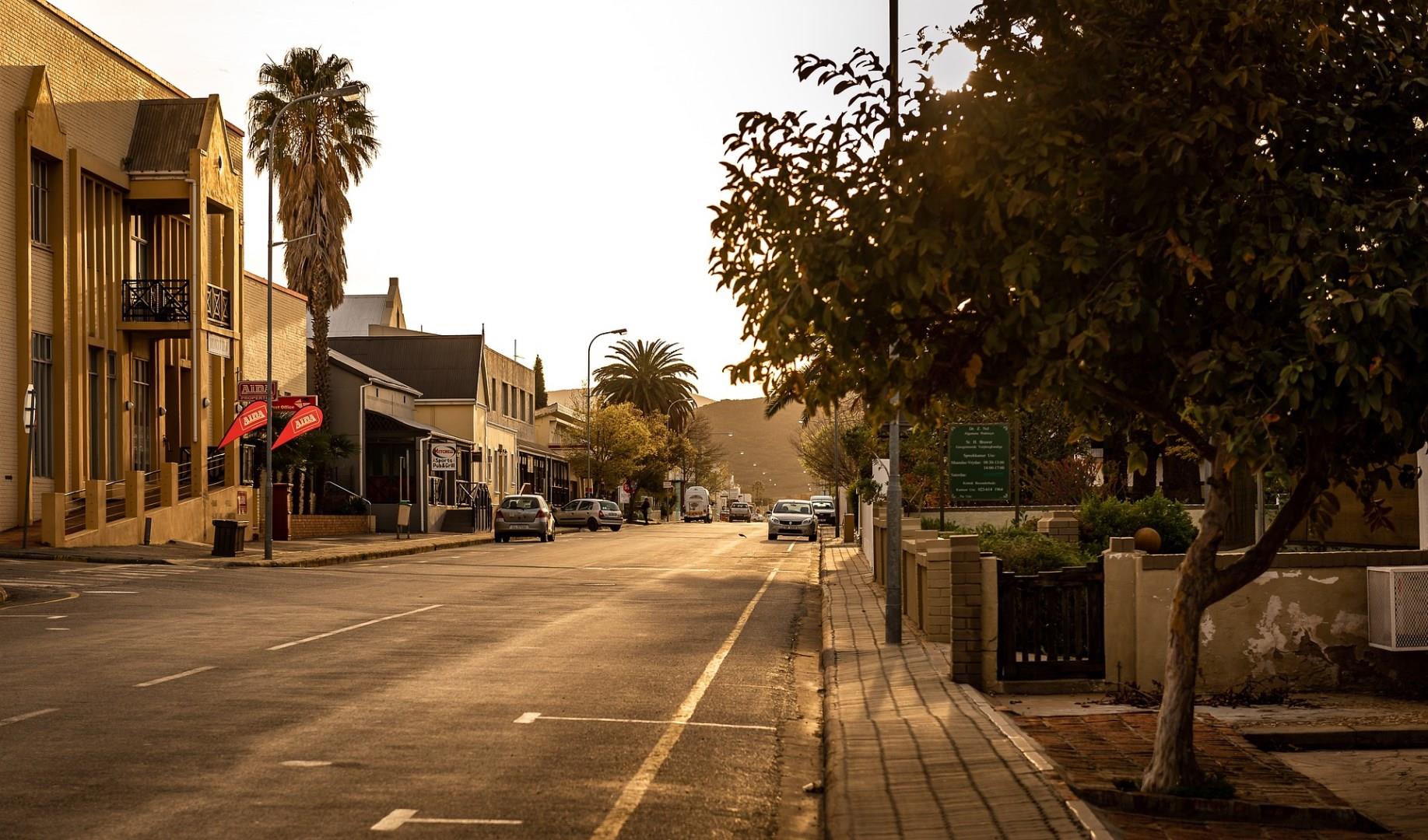
Nestled in the heart of South Africa’s Western Cape, Montagu is a charming town renowned for its natural beauty and historical significance. Surrounded by rugged mountains and lush vineyards, Montagu is a gateway to the stunning Klein Karoo region. Visitors are drawn to its remarkable architecture, particularly the well-preserved Cape Dutch and Victorian buildings that line the streets, reflecting the town’s rich history.

Jordan
Beyond its historical sites, Jordan's natural landscapes offer a diverse range of experiences. The Dead Sea, the lowest point on Earth's surface, is renowned for its buoyant waters and therapeutic mud, attracting visitors seeking relaxation and wellness. To the south, Wadi Rum's dramatic desert scenery, with its towering sandstone mountains and vast red dunes, provides a backdrop for adventure activities like jeep tours, camel rides, and stargazing.
