

Palma
Enchanting Palma is the capital of Mallorca, Spain’s island paradise in the Balearic Sea. This picturesque town boasts historic castles and cathedrals, glittering beaches, and some of the island’s best culinary delights. Don’t let this city’s small size fool you; Palma houses truly magnificent architectural gems that make this island getaway well worth exploring.

Vis
Vis, a charming island city in Croatia's Dalmatian region, offers a serene retreat with its blend of historical allure and natural beauty. Known for its historical significance, Vis boasts remnants of its Greek and Roman past, including the well-preserved fortifications and ancient ruins. The city itself is a captivating blend of Venetian and Austro-Hungarian architecture, with quaint streets and lovely waterfronts that invite leisurely exploration.
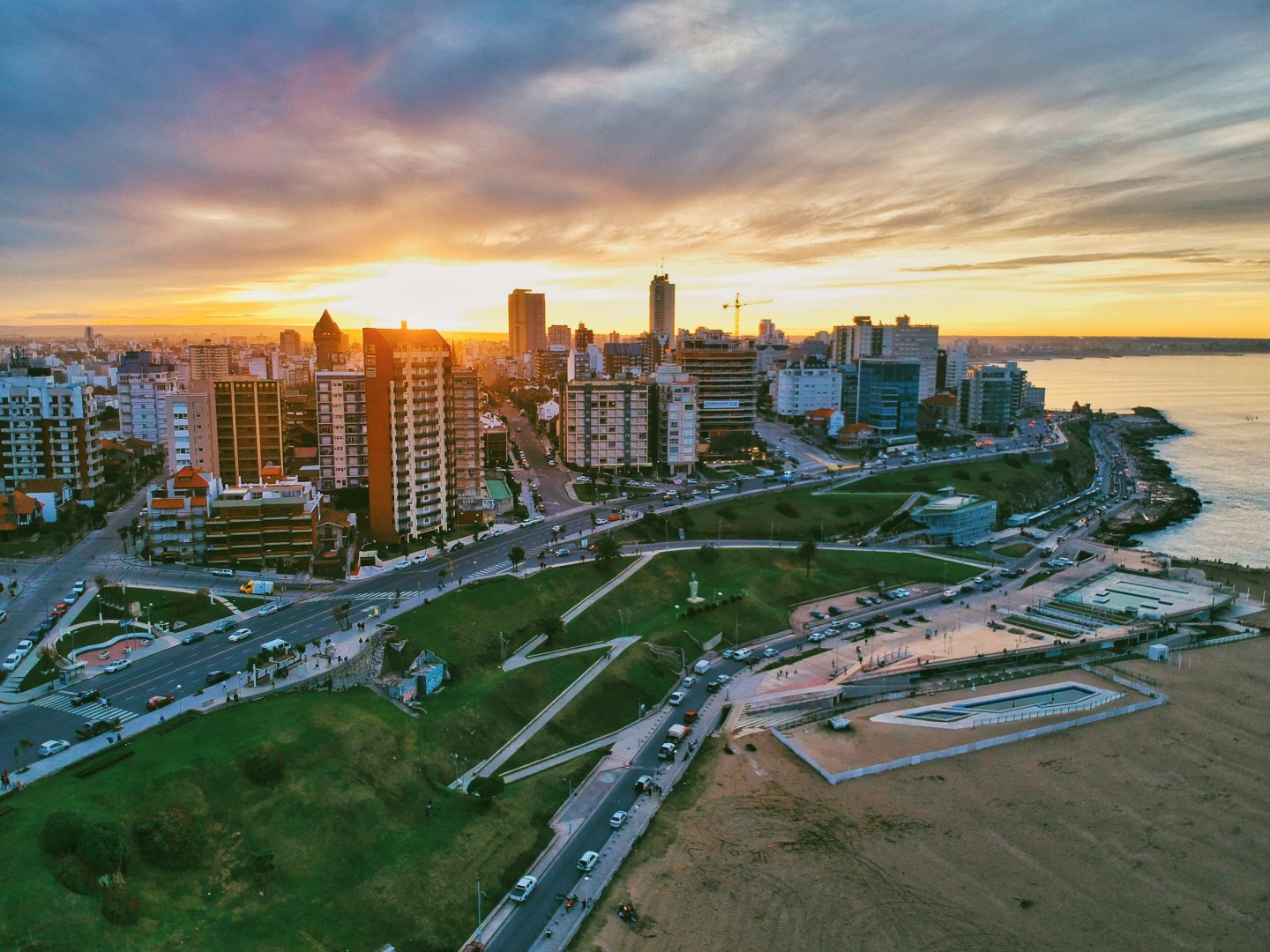
Mar Del Plata
If summer means the beach to the inhabitants of Greater Buenos Aires, Mar del Plata is most often the beach they are thinking of. Situated on the northern Atlantic coast, 400km from the capital, beaches in this area sprawl for eight km, with sophisticated mansions (reflecting the area's upper-class origins) mingling with the new middle-class resorts. Sea lions keep an eye on the fishing activities around the wharves, and a replica of the grotto of Lourdes is a kitsch paradise.
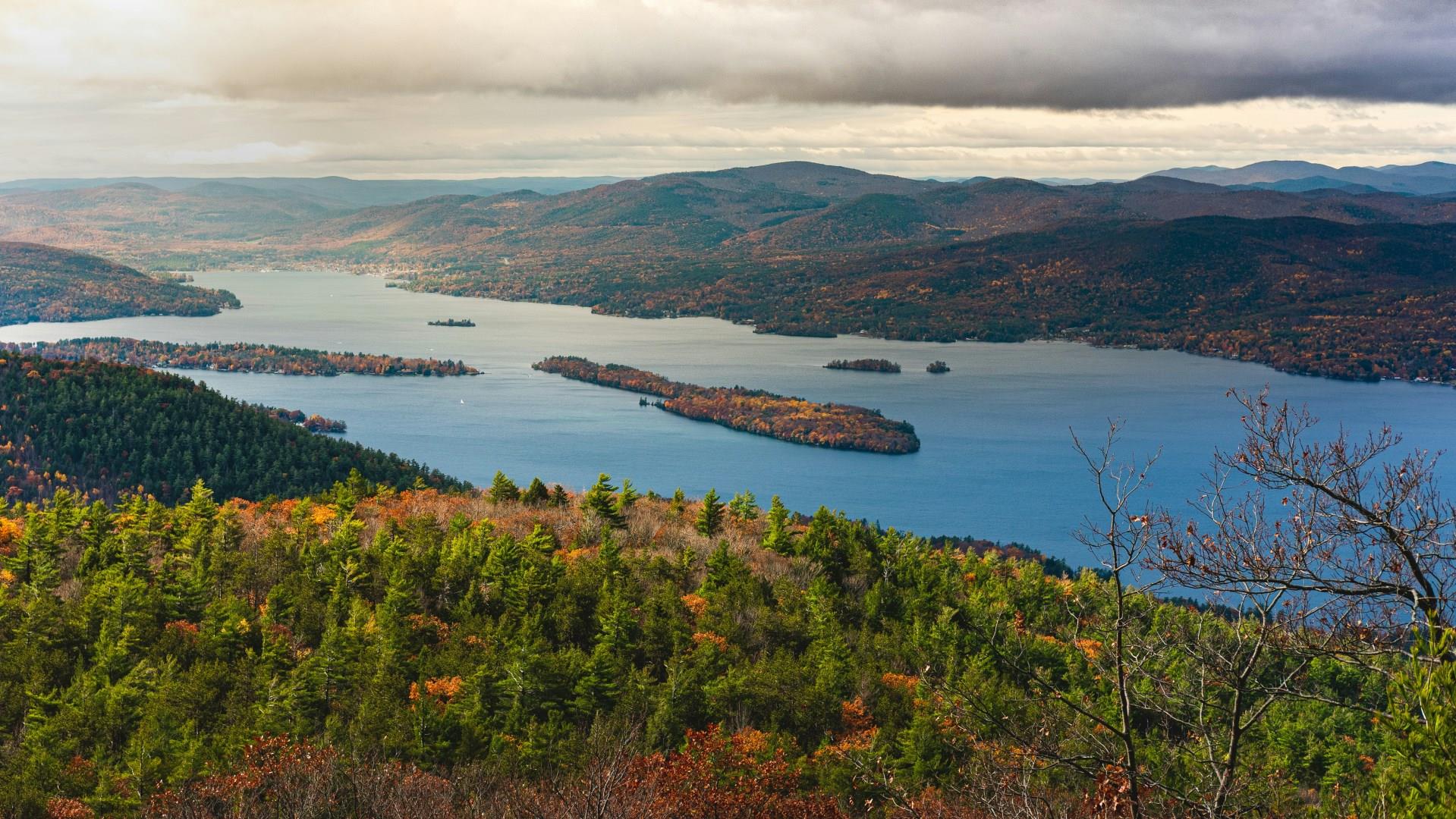
Saratoga Springs
Saratoga Springs, New York, has long drawn visitors with its bubbling mineral springs, historic charm, and a calendar full of events that give the town a lively edge. Known as “The Spa City,” Saratoga first gained fame in the 19th century for its naturally carbonated waters, believed to have healing properties. Downtown Saratoga Springs is known for its walkable streets, filled with locally owned boutiques, cafés, and bookstores.
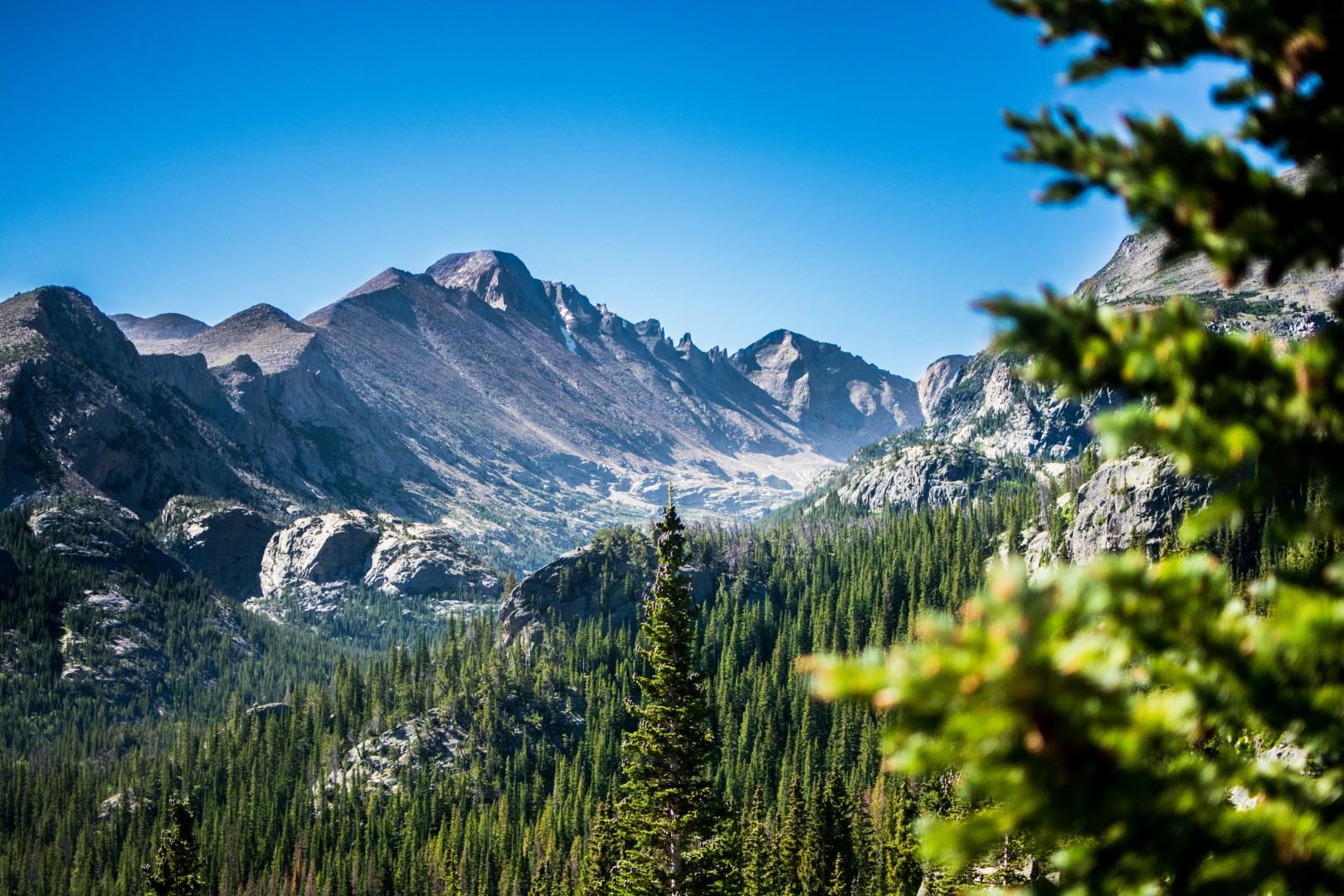
Estes Park
Estes Park, Colorado, is a picturesque mountain town nestled at the entrance of Rocky Mountain National Park. Known for its stunning natural beauty, it offers visitors a perfect blend of adventure and relaxation. With over 300 miles of hiking trails, pristine alpine lakes, and breathtaking mountain vistas, Estes Park is an outdoor enthusiast’s paradise.
