

Pilsen
Pilsen, located in the western part of the Czech Republic, is renowned for its rich history and vibrant cultural scene. The city is best known as the birthplace of Pilsner beer, a name synonymous with the iconic pale lager that has become a global standard.

Dominica
Dominica, known as the “Nature Island of the Caribbean,” is a haven for eco-tourists and adventure seekers. Nestled between the French islands of Guadeloupe and Martinique, this lush island boasts a remarkable landscape of volcanic mountains, dense rainforests, and stunning waterfalls. Dominica’s most iconic natural wonder is the Boiling Lake, the second-largest hot spring in the world.
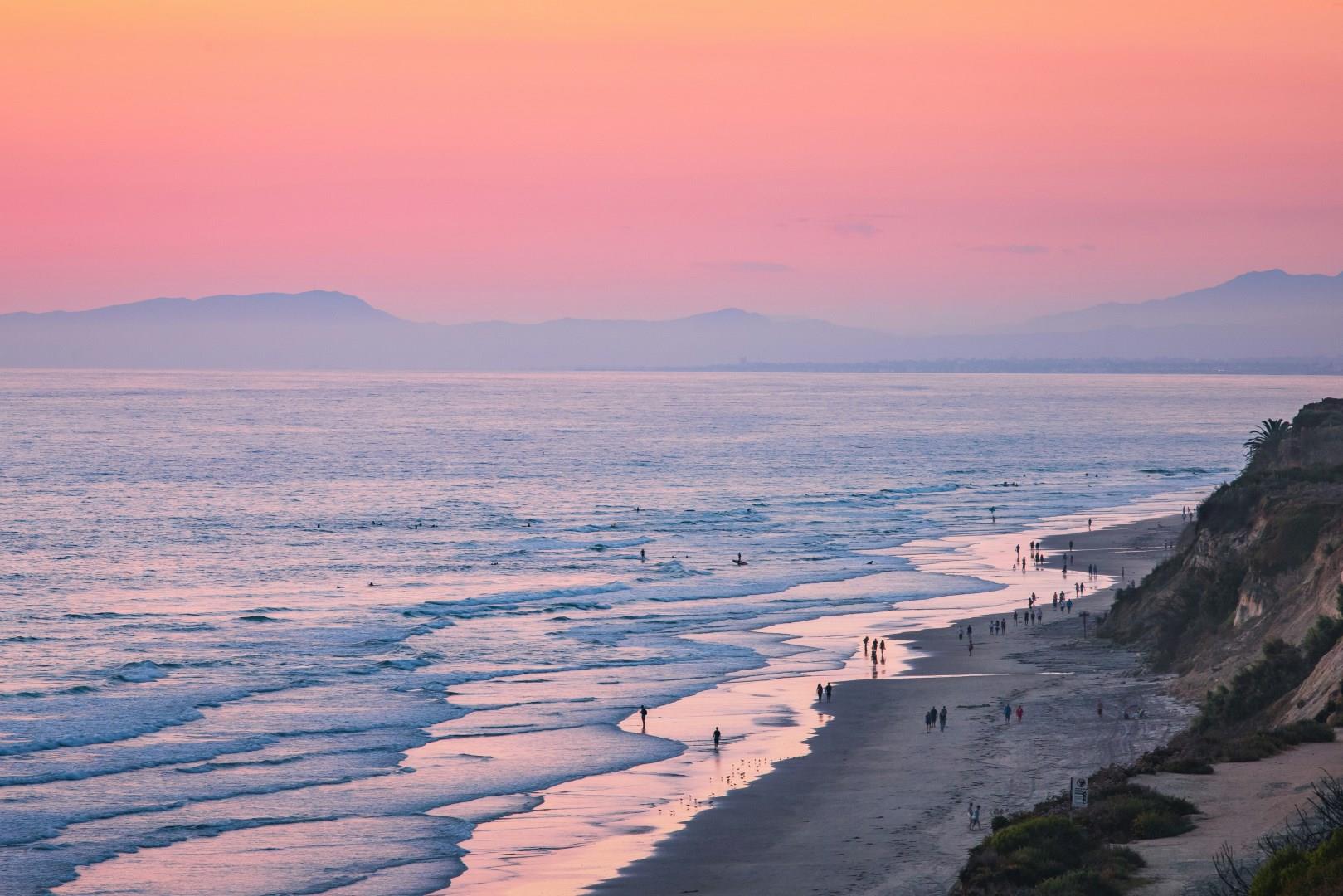
Del Mar
Though it's San Diego County's smallest city in both size and population, Del Mar is one of its most widely known due to prominence of its Del Mar Race Track & Fairgrounds. The City of Del Mar with about 2 square miles of land for its 5,211 residents, the city gives up almost one quarter to the fairgrounds. But its beaches stretch from Del Mar Shores Beach Park in the north edge of Torrey Pine State Reserve and the La Jolla Underwater Park in the south.

York
York, England, is a city where over 2,000 years of history comes to life. Originally founded by the Romans in 71 AD as Eboracum, York has witnessed the rise and fall of empires, from the Vikings to the Normans. Today, the city retains its medieval charm, with its historic York Minster, one of the largest Gothic cathedrals in Northern Europe, standing proudly as its centerpiece.
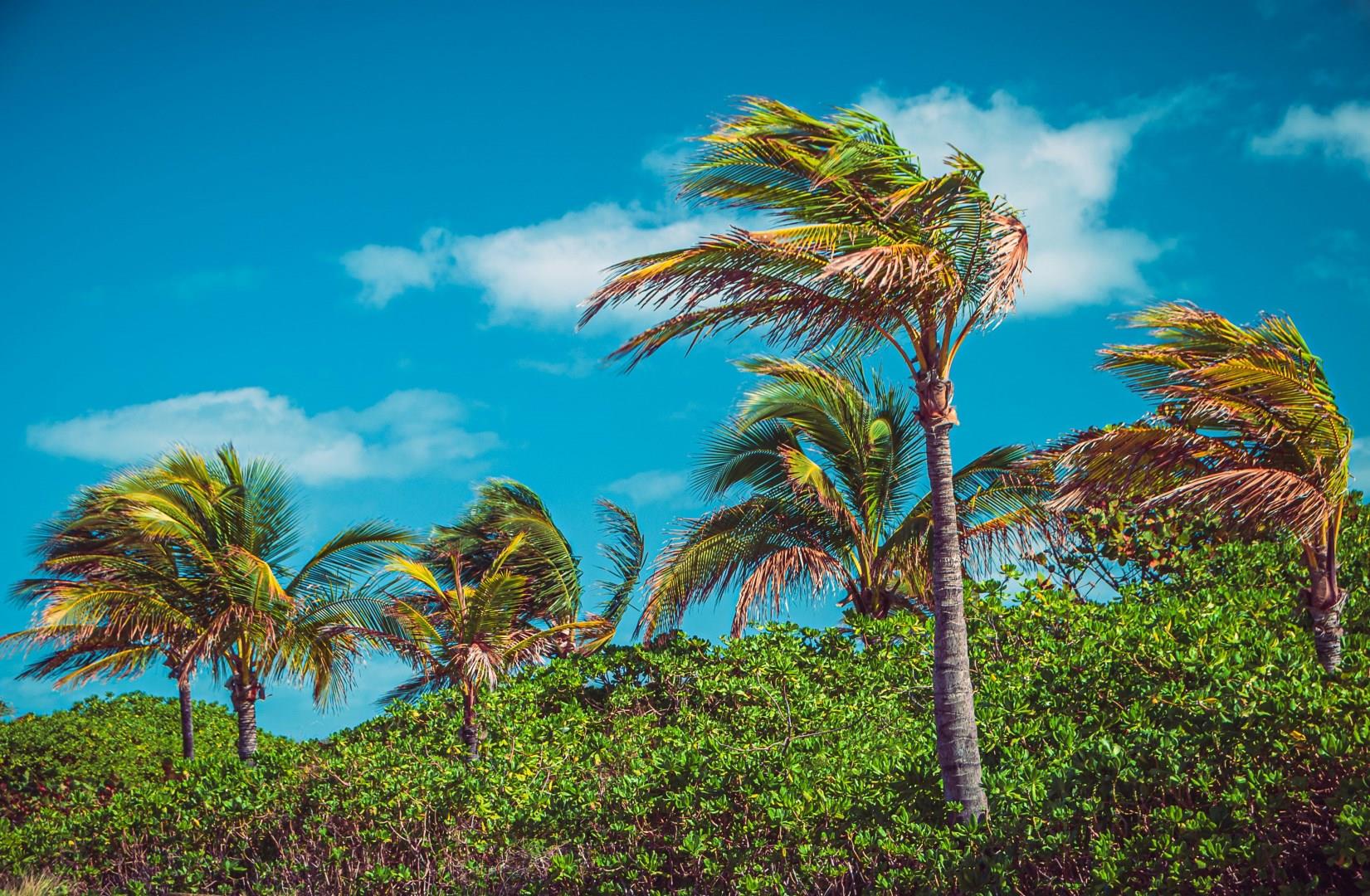
Castaway Cay
Castaway Cay, Disney’s private island in the Bahamas, is designed as a tropical retreat blending natural scenery with family-friendly experiences. Nestled among turquoise waters and soft sandy beaches, the island serves as an exclusive stop for Disney Cruise Line guests.
