
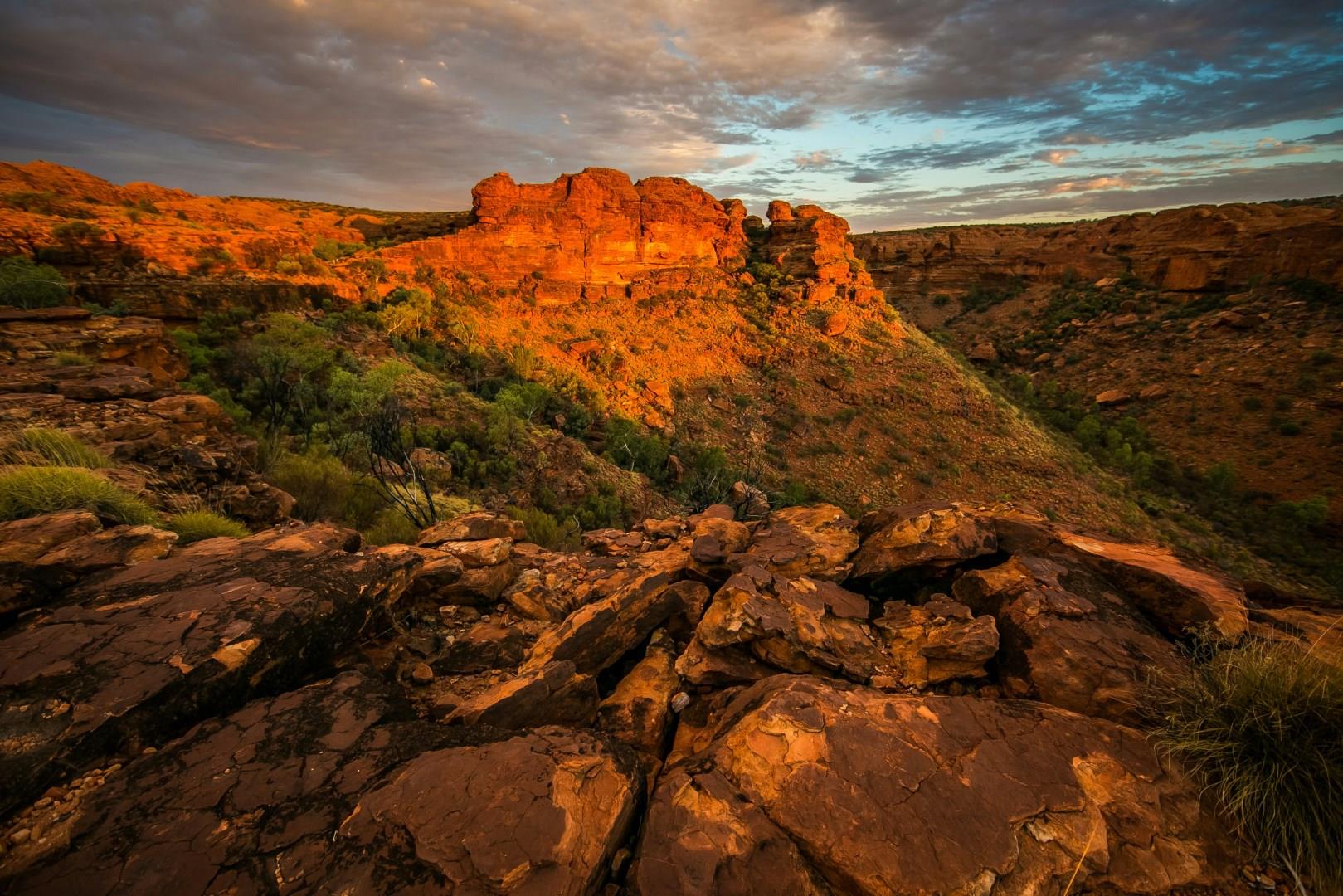
Kings Canyon
Kings Canyon, located in Australia’s Northern Territory within Watarrka National Park, is one of the Red Centre’s most striking natural landmarks. Carved over millions of years, the canyon holds deep cultural significance for the Anangu people, particularly the Luritja, for whom the area remains a sacred landscape tied to creation stories, ceremony, and traditional knowledge.
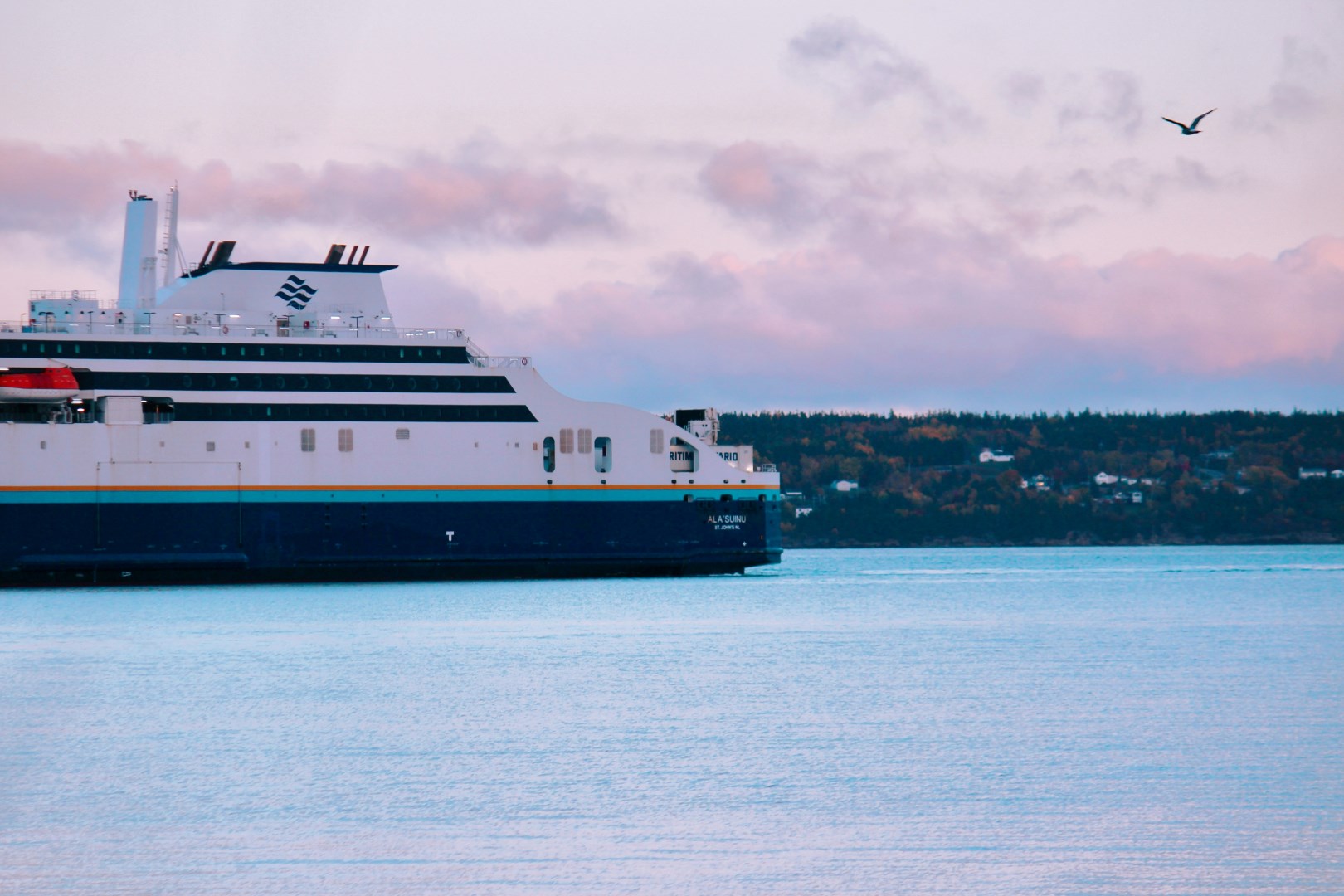
Sydney, Nova Scotia
Situated on the eastern edge of Cape Breton Island, Sydney in Nova Scotia welcomes visitors with a strong connection to the sea and a deep-rooted cultural identity. The city’s waterfront is a natural gathering place, where boardwalks stretch along the harbor and offer views of fishing boats, cruise ships, and open water. One of its most recognizable landmarks is the world’s largest fiddle, a towering tribute to the region’s musical traditions.

Ilok
Ilok, the easternmost town in Croatia on the Danube River, may be small but it has a lot to offer. A well-preserved Franciscan monastery and a 15th century castle make it a popular day trip for domestic as well as foreign tourists. Its wine-making tradition is even older; some say the region's viniculture dates back as early as 280 AD.
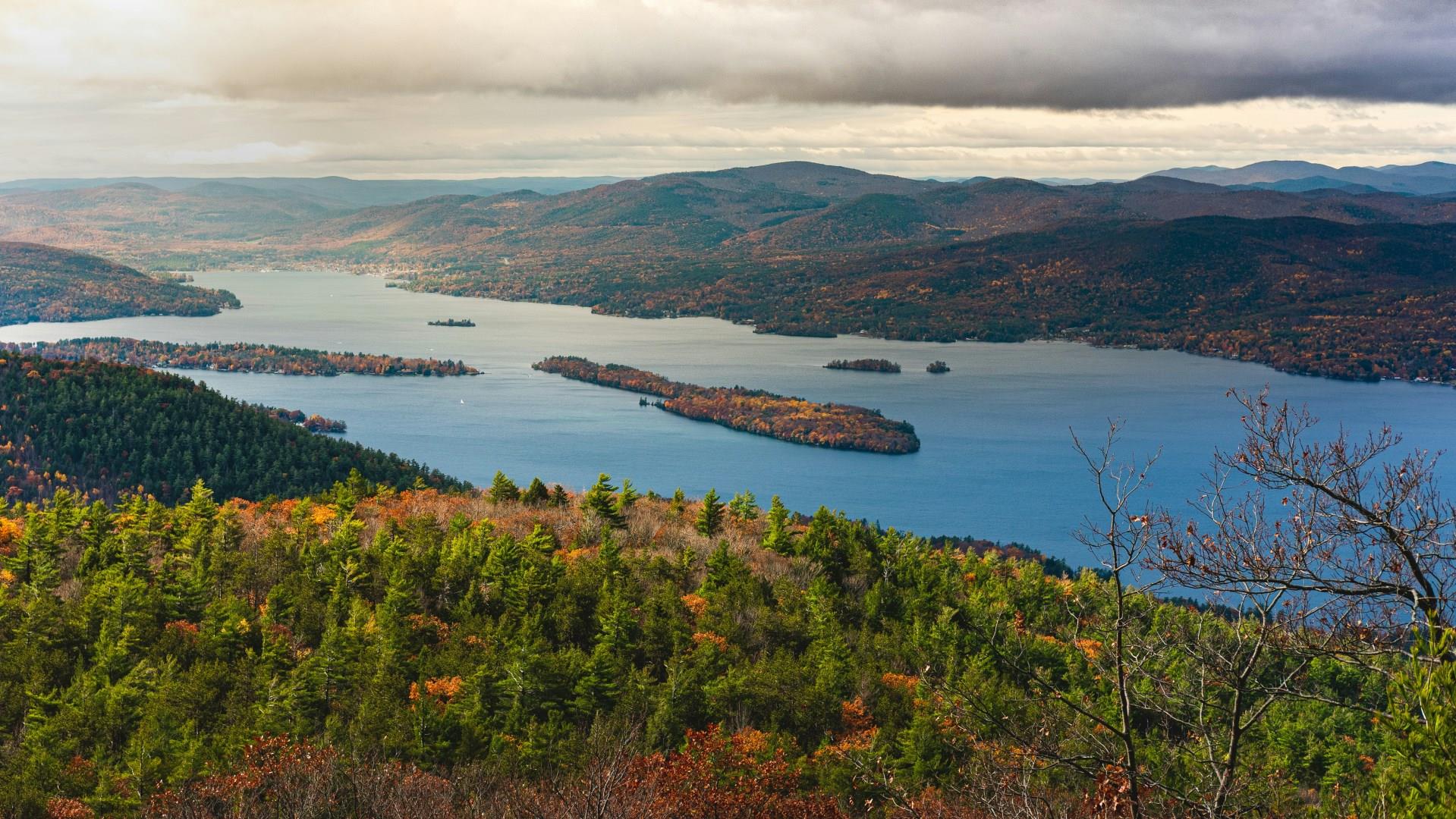
Saratoga Springs
Saratoga Springs, New York, has long drawn visitors with its bubbling mineral springs, historic charm, and a calendar full of events that give the town a lively edge. Known as “The Spa City,” Saratoga first gained fame in the 19th century for its naturally carbonated waters, believed to have healing properties. Downtown Saratoga Springs is known for its walkable streets, filled with locally owned boutiques, cafés, and bookstores.
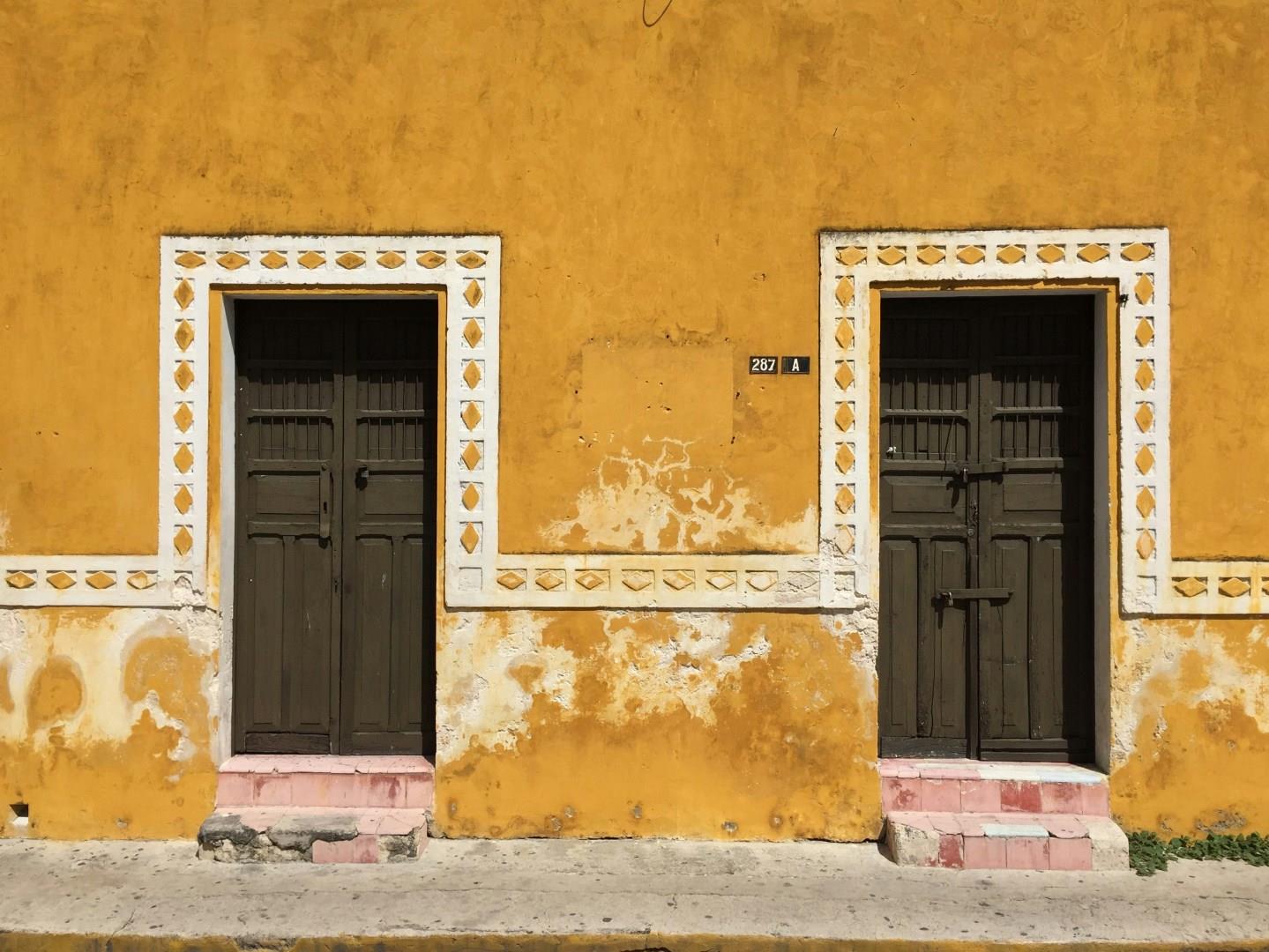
Izamal
Izamal, located in the heart of Yucatán, stands out as a city where centuries of history are layered in plain sight. Known as the “City of Three Cultures,” it combines ancient Maya ruins, Spanish colonial architecture, and modern-day Yucatecan life. One of the most striking features of Izamal is its golden-yellow buildings, painted this distinctive color in honor of Pope John Paul II’s visit in 1993.
