

Troy
Troy, a place of legends and a place of history. One of the most famous cities of ancient history, the mythological city of Troy dates back to the early Bronze Age. Best known as the famous city of Helen and the horse of Trojans from Homer's Iliad.
Pamplona
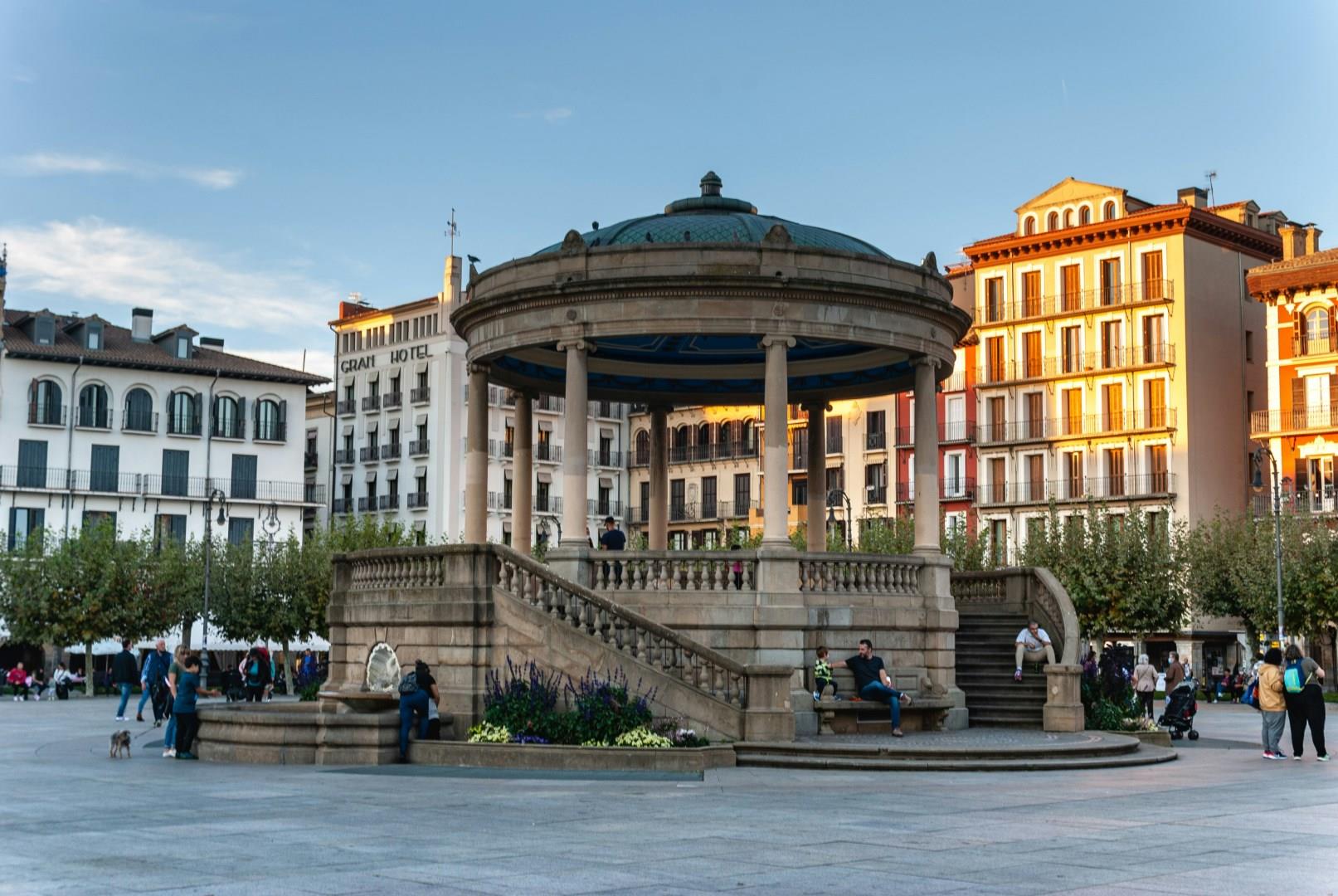
Pamplona, the capital of Spain’s Navarre region, is best known worldwide for the Running of the Bulls during the San Fermín festival each July. But beyond the brief rush of that event lies a city steeped in medieval history, Basque influence, and a slower pace that surprises many visitors. One of the most significant aspects of Pamplona is its place on the Camino de Santiago, the ancient pilgrimage route to Santiago de Compostela.

Saint Andrews
Saint Andrews, a picturesque town on Scotland's east coast, is a captivating blend of history, culture, and natural beauty. Known as the "Home of Golf," it is celebrated worldwide for its historic Old Course, one of the oldest golf courses in the world, dating back to the early 15th century. Golf enthusiasts will find a pilgrimage to the iconic Swilcan Bridge or the 18th hole of the Old Course to be an unforgettable experience.
Lugano
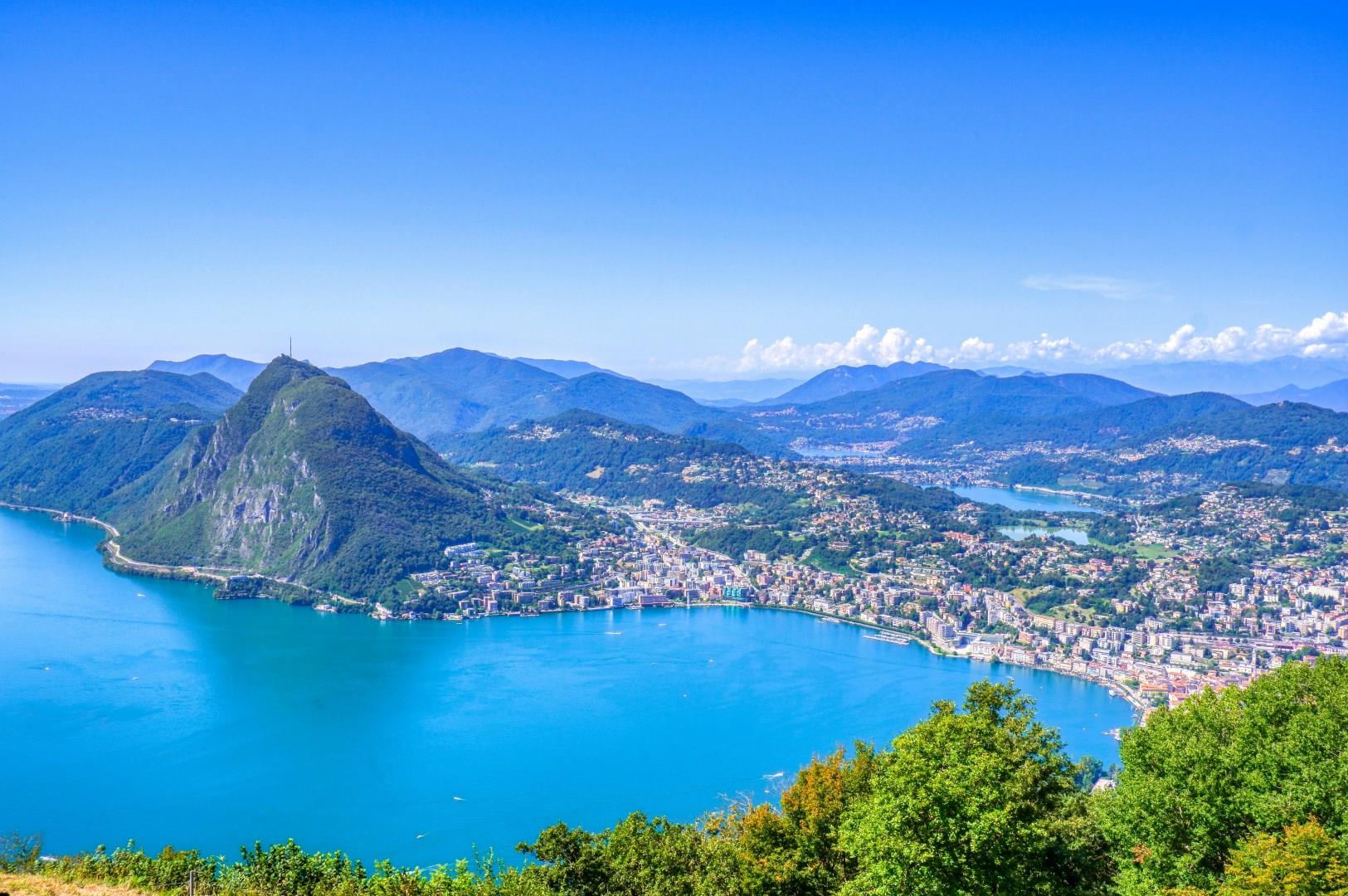
Lugano, tucked into Switzerland’s Italian-speaking Ticino region, blends Mediterranean flair with Alpine elegance. The city sits on the northern shore of Lake Lugano, its pastel-colored villas and palm-lined promenades framed by surrounding mountains such as Monte Brè and Monte San Salvatore.
Querétaro
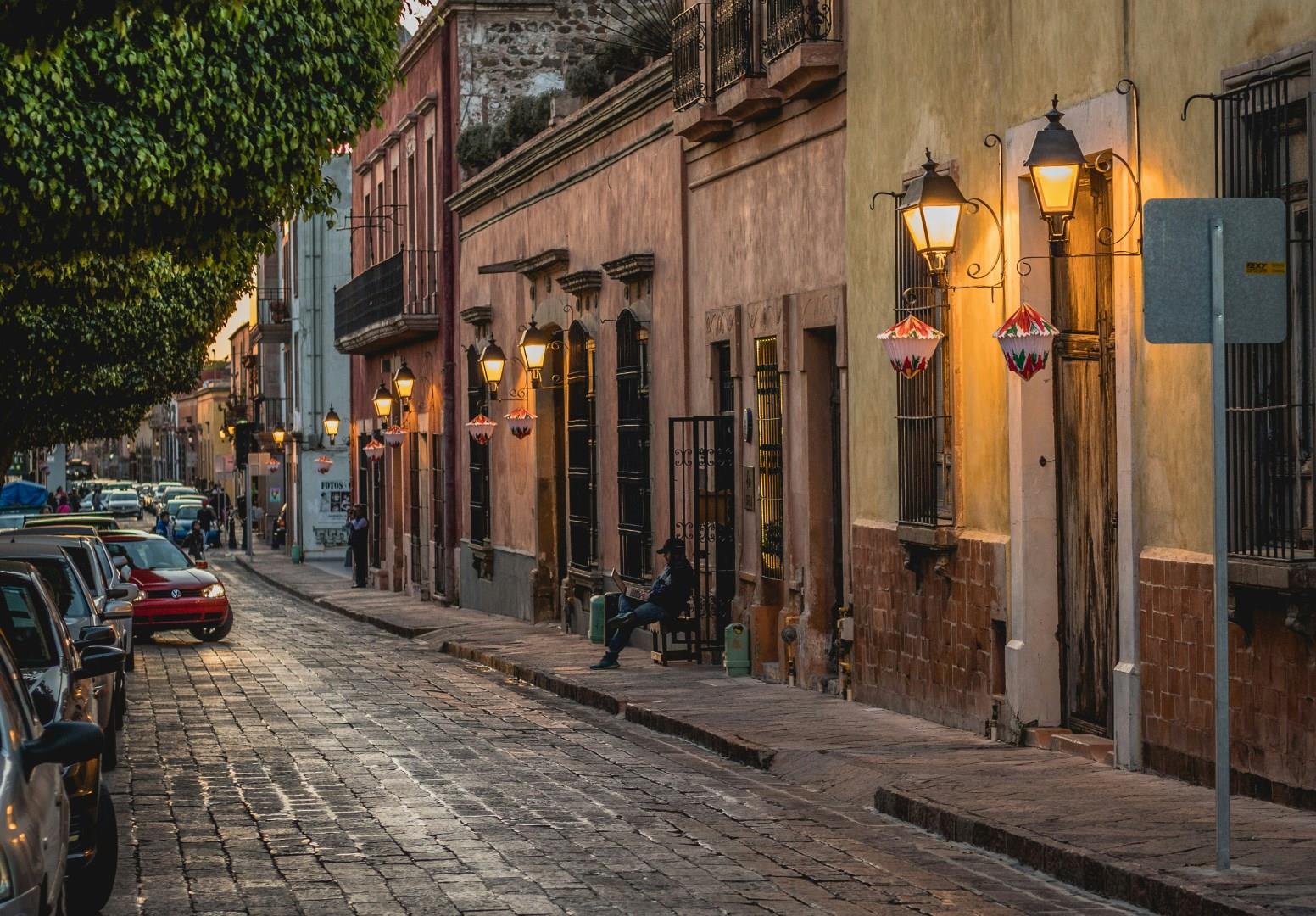
Querétaro, located in the heart of central Mexico, is a city where centuries of history are still visible in daily life. Its historic center, a UNESCO World Heritage Site, features narrow streets, elegant plazas, and baroque churches that reflect its colonial past. One of the city’s most iconic landmarks is the massive aqueduct, built in the 18th century with 74 stone arches stretching nearly a mile across the landscape.
