

Sweden
Sweden is a country where medieval towns, coastal archipelagos, and expansive forests sit side by side with modern design and a strong cultural identity. Stockholm, the capital, is built across 14 islands connected by bridges and ferries. The historic district of Gamla Stan features narrow, cobbled streets and colorful buildings dating back to the 13th century.
Cederberg
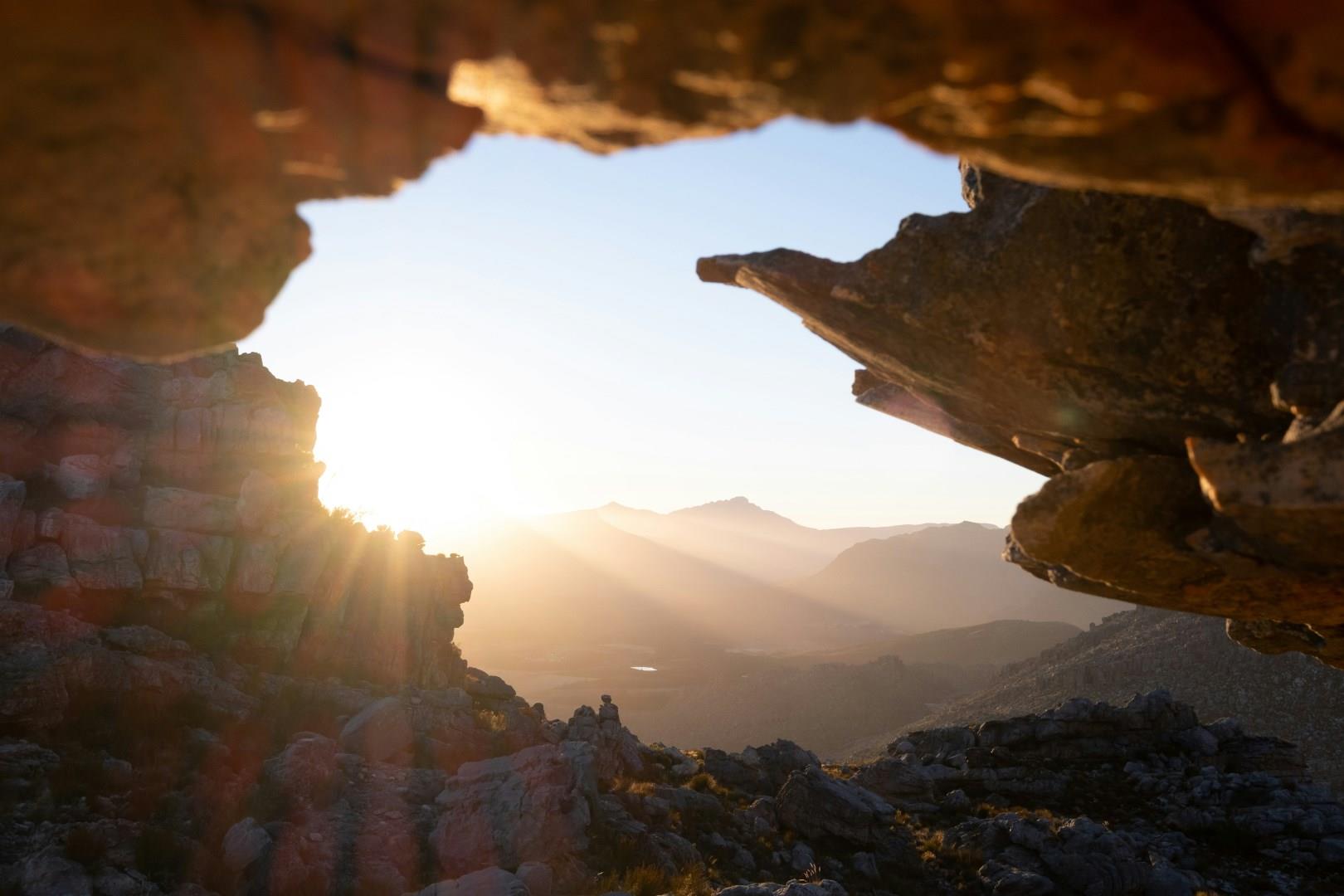
The Cederberg region in the Western Cape of South Africa is a striking land of rocky ridges, wide skies, and quiet valleys. Less than three hours’ drive from Cape Town, the jagged sandstone mountains rise in shapes that seem carved by giants, and shady kloofs hide wonders like ancient rock art that tell stories from thousands of years ago. Hikes to natural landmarks like Wolfberg Arch and the Maltese Cross take visitors deep into terrain shaped by time.

Bali
Bali, an island province of Indonesia, has been shaped by centuries of Hindu influence, volcanic activity, and a deep connection between daily life and ritual. The island’s temples are a major part of its landscape as more than 20,000 exist across Bali. One of the most visited is Uluwatu Temple, perched dramatically on a cliff 70 meters above the Indian Ocean.
Paracas
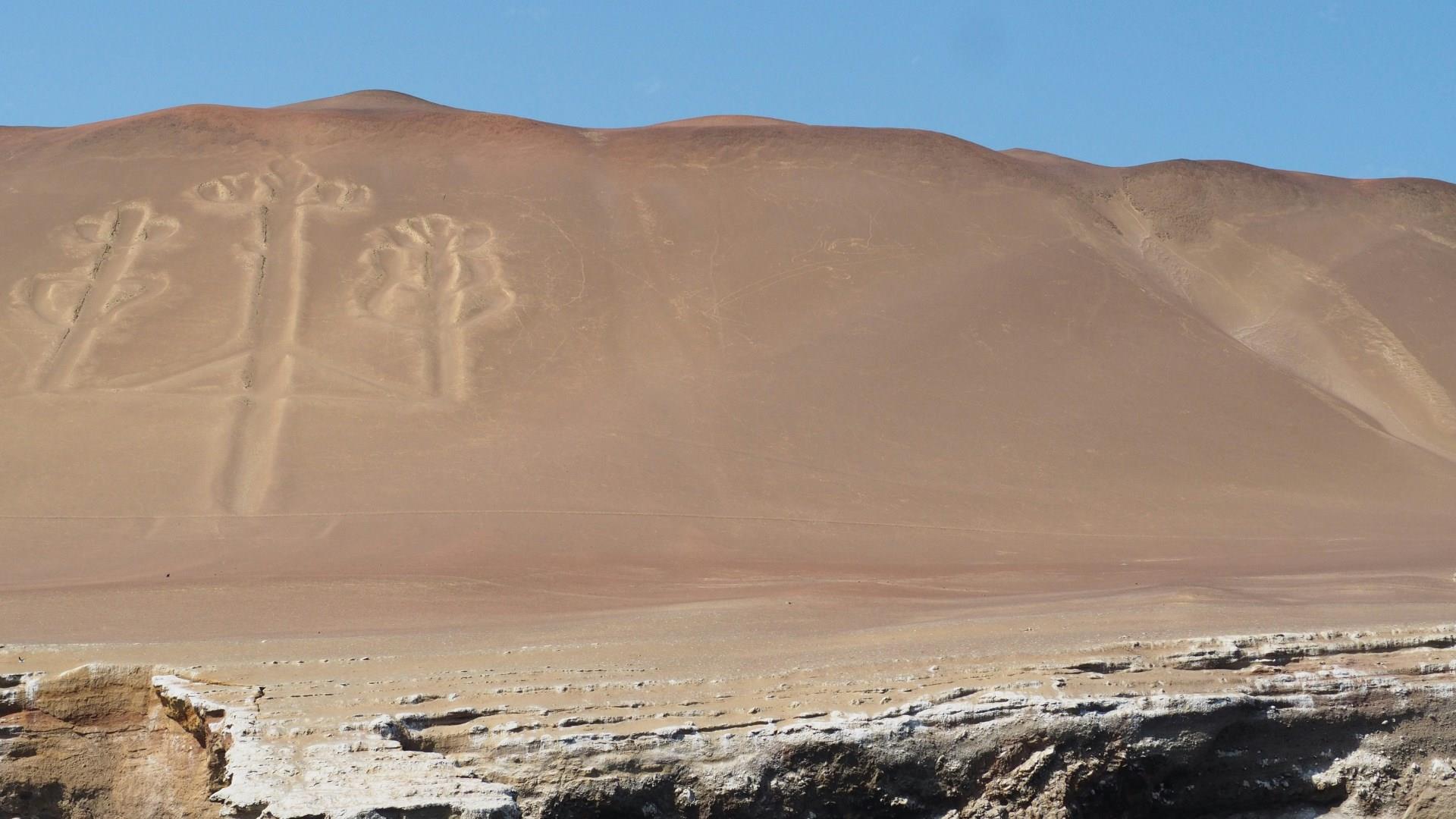
Paracas, a small coastal town in southern Peru, offers a mix of desert landscapes, marine wildlife, and ancient history. Just three hours from Lima, it’s the gateway to the Paracas National Reserve, one of the country’s most important protected areas. This reserve includes both land and sea, making it home to dramatic cliffs, wind-carved rock formations, and waters where dolphins, sea lions, and Humboldt penguins are frequently seen.

Boracay
Boracay, a small island in the central Philippines, is famous for its white-sand beaches and clear turquoise waters. Despite its size, the island offers a wide range of activities, from swimming and snorkeling to paddleboarding and sailing.
