

Dakar
Dakar, the lively capital of Senegal, stands at the edge of the Atlantic Ocean on the Cape Verde Peninsula. As the westernmost city on the African mainland, it has long been a crossroads of cultures, trade, and ideas.

Dominica
Dominica, known as the “Nature Island of the Caribbean,” is a haven for eco-tourists and adventure seekers. Nestled between the French islands of Guadeloupe and Martinique, this lush island boasts a remarkable landscape of volcanic mountains, dense rainforests, and stunning waterfalls. Dominica’s most iconic natural wonder is the Boiling Lake, the second-largest hot spring in the world.

Abidjan
Abidjan, the largest city in Ivory Coast, is a vibrant coastal hub known for its striking skyline, lively markets, and cultural energy. Situated along the Ébrié Lagoon, it serves as the country’s economic and commercial center, blending modern urban life with West African traditions. Nicknamed the “Paris of West Africa,” Abidjan offers a dynamic mix of business districts, beachside neighborhoods, and green spaces that reflect its diverse character.
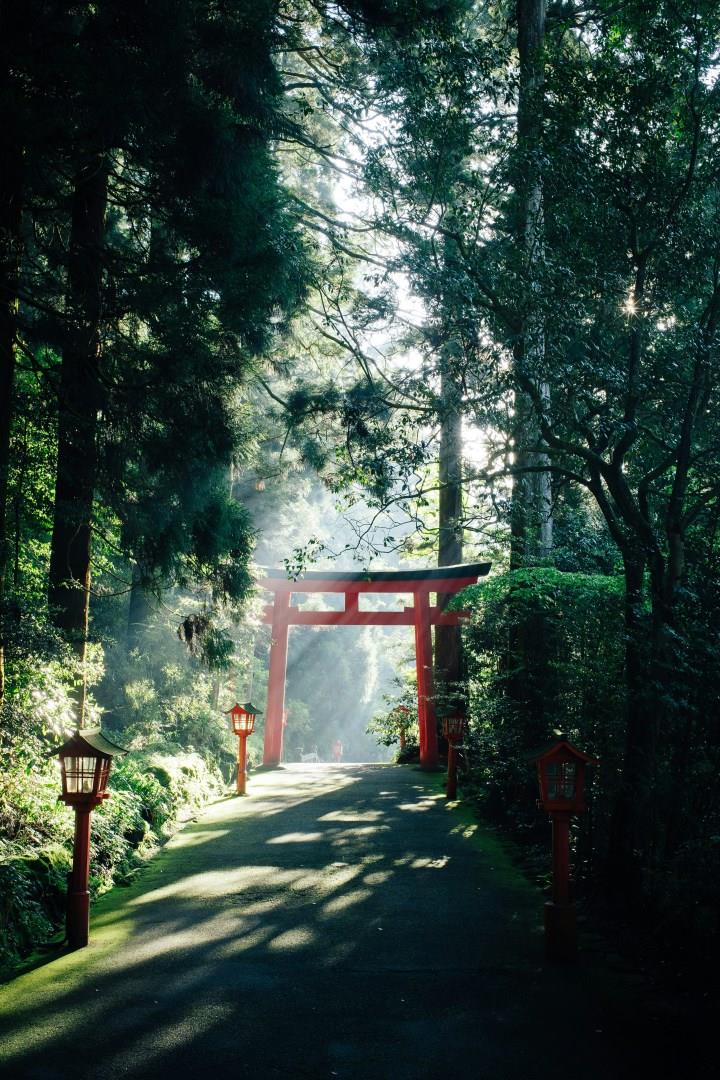
Hakone
Nestled in the mountains just 90 minutes from Tokyo, Hakone has long been a retreat for travelers seeking both quiet and culture. Once a crucial checkpoint on the historic Tōkaidō road between Edo and Kyoto, Hakone is still shaped by centuries of history. The reconstructed Hakone Sekisho (Hakone Checkpoint) offers a glimpse into the Edo Period, when travelers were inspected by samurai guards before continuing on their journey.

Gjógv
Nestled in the stunning landscape of Eysturoy in the Faroe Islands, Gjógv is a picturesque village that feels like a scene straight out of a fairy tale. Known for its dramatic cliffs and tranquil surroundings, Gjógv is named after the natural gorge that cuts into its coastline. The gorge, stretching 200 meters inland, serves as a natural harbor and has long been a lifeline for the village's fishing industry.
