
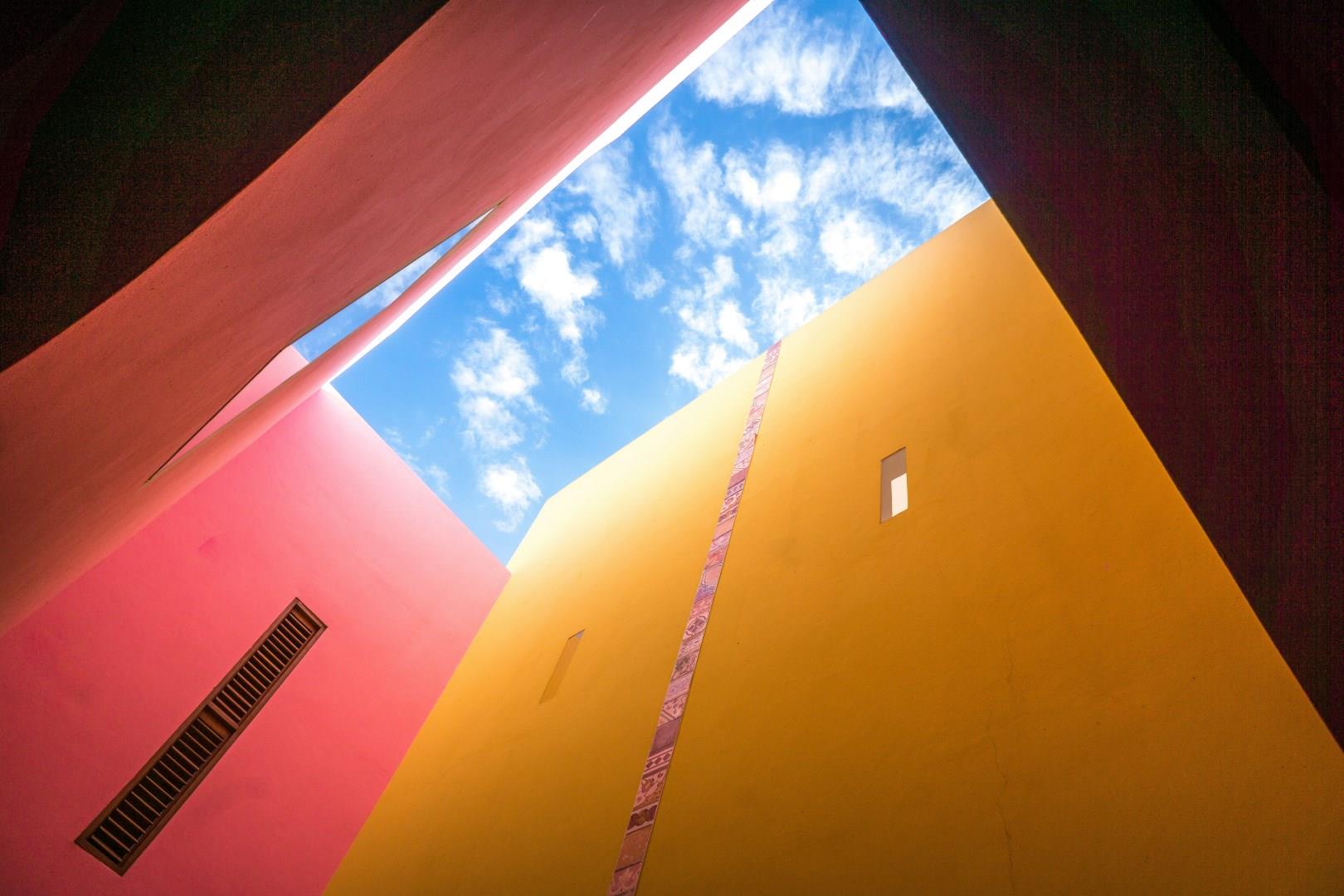
Mérida
Merida was once the sprawling capital of the Mayan empire and the center of their universe. Merida is now the center of a cosmopolitan universe, built on Mayan heritage, and given a unique twist by French and Mediterranean immigrants. Days are spent exploring the city's many museums and equally fascinating shopping districts. At night, local music can be heard from just about every park in the city, inviting newcomers to enjoy a romantic and fun-filled evening.

Bay of Islands
Three hours north of Auckland, a chain of verdant islands meet glittering turquoise waters in the Bay of Islands. This subtropical paradise will astound you with its abundance of natural beauty and marine life. Sail to the Bay of Islands, and you'll find plenty to see and explore. Hike to stunning Rainbow Falls, kayak along the shores of New Zealand's lush coastline, and keep an eye out for whales, dolphins, penguins, and a variety of colorful parrots.

Wānaka
Nestled on the southern shores of its namesake lake, Wanaka is a charming resort town in New Zealand's South Island that offers a captivating blend of adventure, relaxation, and stunning natural beauty. Surrounded by snow-capped mountains and crystal-clear waters, Wanaka is an ideal destination for outdoor enthusiasts.
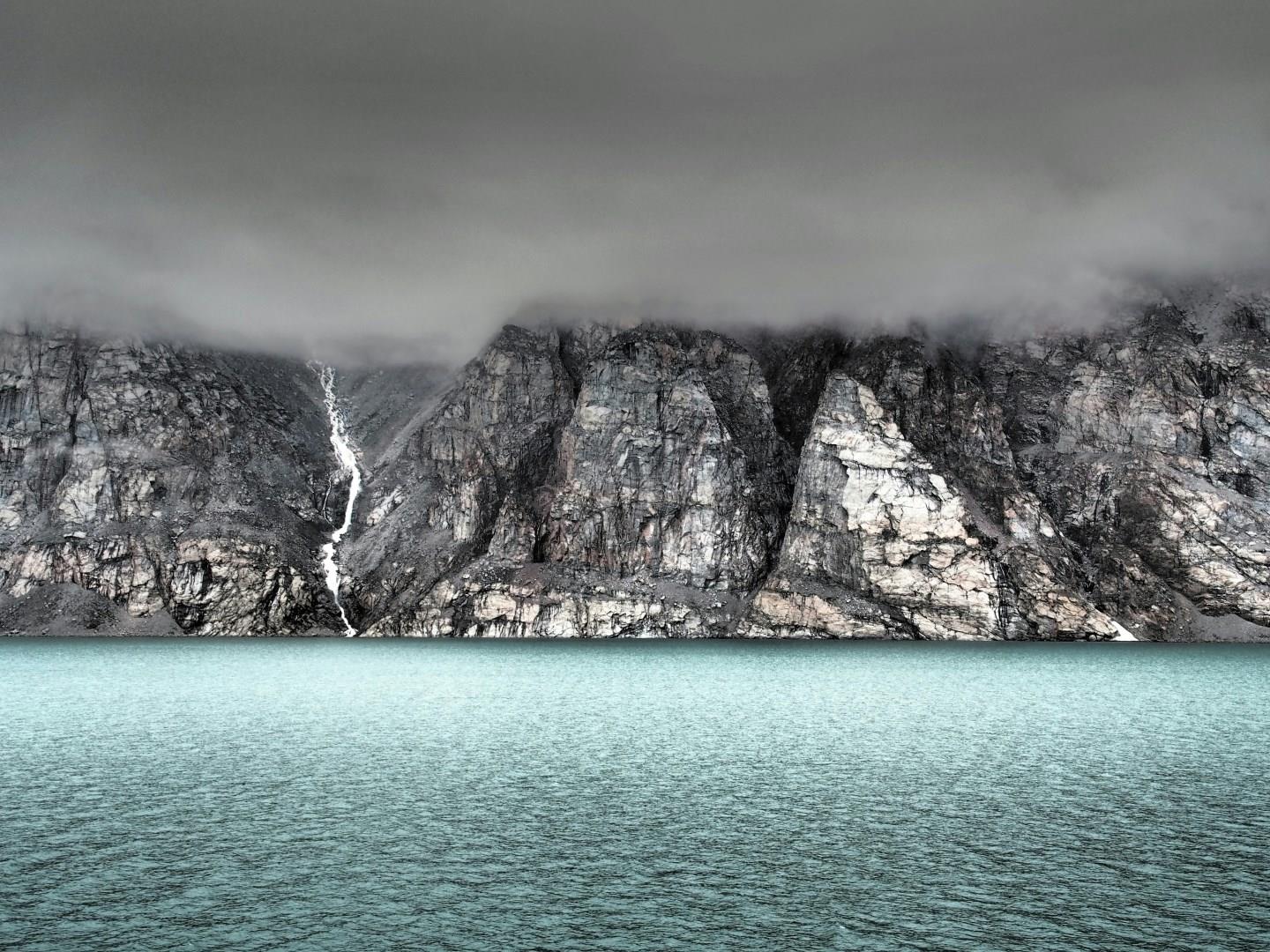
Baffin Island
Baffin Island is Canada’s largest island and one of the Arctic’s most imposing landscapes, shaped by ice, migration, and long human presence. Inuit communities have lived here for thousands of years, developing deep connections to sea ice, wildlife, and seasonal movement.

Lake Naivasha
Naivasha, a charming town in Kenya's Rift Valley, offers a unique blend of natural beauty and cultural experiences. At the heart of this area is Lake Naivasha, a freshwater lake renowned for its abundant birdlife and picturesque scenery. Visitors can embark on boat rides to spot hippos and various bird species, including the elusive African fish eagle.
