
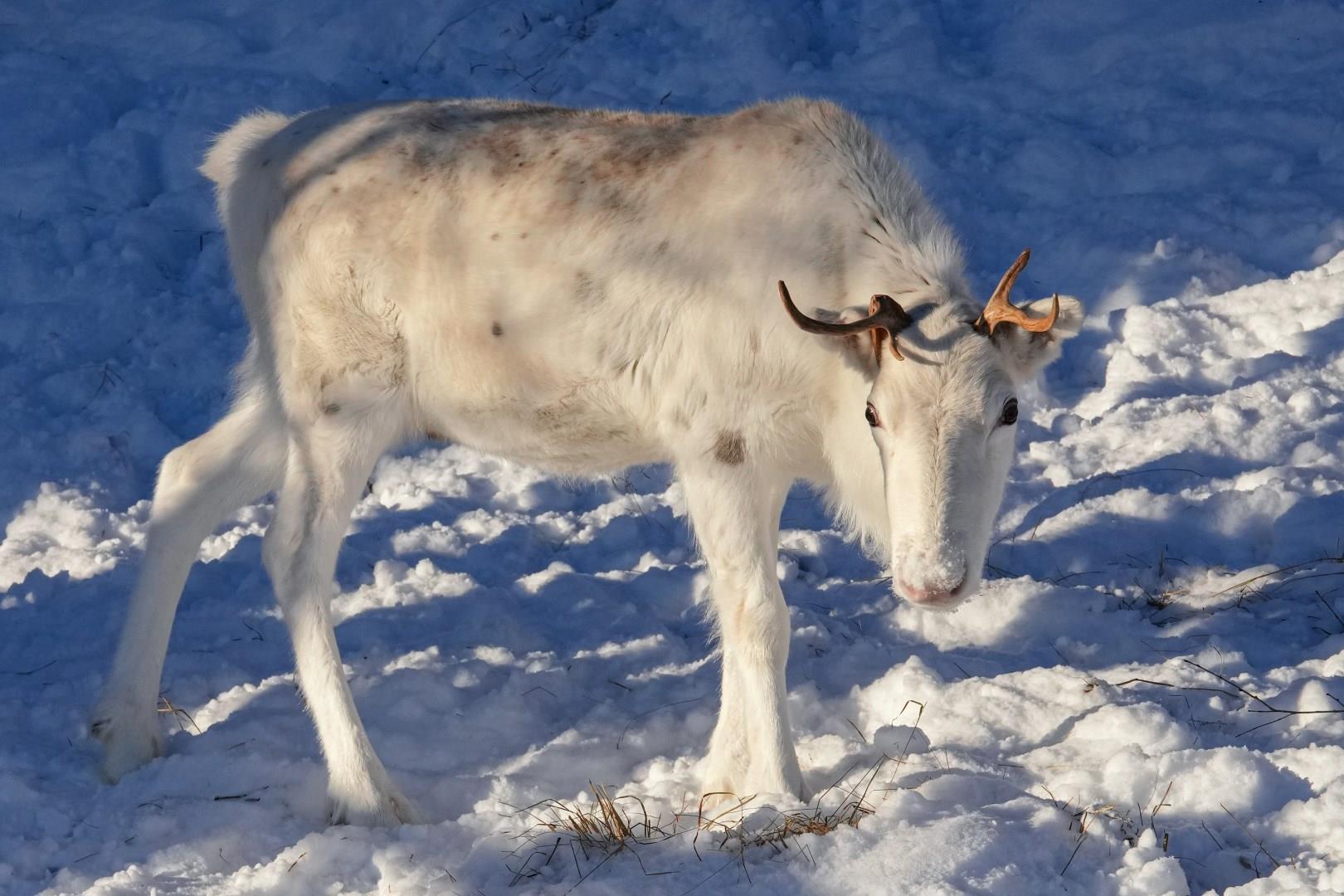
Kirkenes
Kirkenes sits at the far northeastern edge of Norway, just a few kilometers from the Russian border and not far from Finland. This Arctic town offers travelers a perspective they won’t find anywhere else in the country. With street signs in both Norwegian and Russian, and a local history shaped by war, trade, and shifting borders, Kirkenes has long stood at the crossroads of cultures.

Okavango Delta
The Okavango Delta, located in Botswana, is one of Africa’s most extraordinary natural wonders. This vast inland delta, renowned for its rich biodiversity and stunning landscapes, offers a unique opportunity to experience a pristine wilderness. As the Okavango River meanders into the Kalahari Desert, it creates a sprawling floodplain that transforms into a lush oasis during the annual flood.

Vidin
Nestled on the banks of the Danube River, Vidin, Bulgaria, is a city where history and scenic beauty converge. This ancient city, known for its well-preserved medieval fortress, the Baba Vida Castle, offers a unique glimpse into Bulgaria's past. The fortress, dating back to the 10th century, stands as one of the best-preserved medieval fortifications in the country.

Troy
Troy, a place of legends and a place of history. One of the most famous cities of ancient history, the mythological city of Troy dates back to the early Bronze Age. Best known as the famous city of Helen and the horse of Trojans from Homer's Iliad.

Karlovy Vary
Karlovy Vary, nestled in the west of the Czech Republic, is renowned for its therapeutic thermal springs and charming architecture. The town's spa heritage dates back to the 14th century when Charles IV, the Holy Roman Emperor, discovered the healing powers of its mineral waters. Today, Karlovy Vary continues to attract visitors seeking relaxation and wellness at its historic spa resorts, such as the luxurious Grandhotel Pupp, a hallmark of classic elegance source.
