
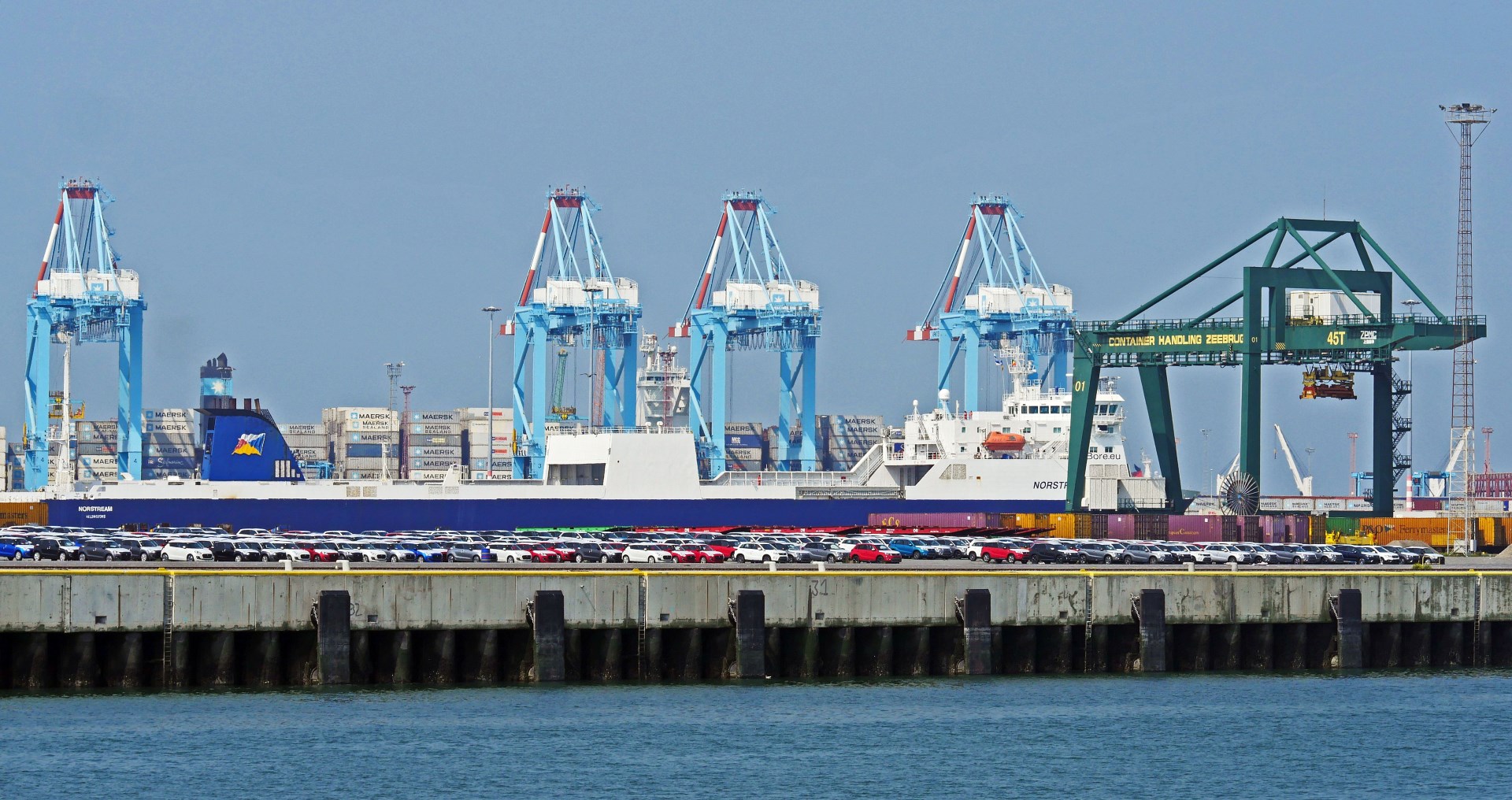
Zeebrugge
Zeebrugge is a coastal district of Bruges in West Flanders, Belgium, located on the North Sea coast. It is best known as one of Europe’s major ports, handling international cargo, passenger ferries, and fishing activities.

Seoul
Seoul, the capital of South Korea, is a city where history and modernity coexist. Ancient palaces like Gyeongbokgung and Changdeokgung stand amid skyscrapers and contemporary architecture, offering a glimpse into the country’s rich heritage. The city’s neighborhoods, from Insadong’s traditional streets to Gangnam’s sleek districts, showcase its cultural and economic diversity.

Dominica
Dominica, known as the “Nature Island of the Caribbean,” is a haven for eco-tourists and adventure seekers. Nestled between the French islands of Guadeloupe and Martinique, this lush island boasts a remarkable landscape of volcanic mountains, dense rainforests, and stunning waterfalls. Dominica’s most iconic natural wonder is the Boiling Lake, the second-largest hot spring in the world.
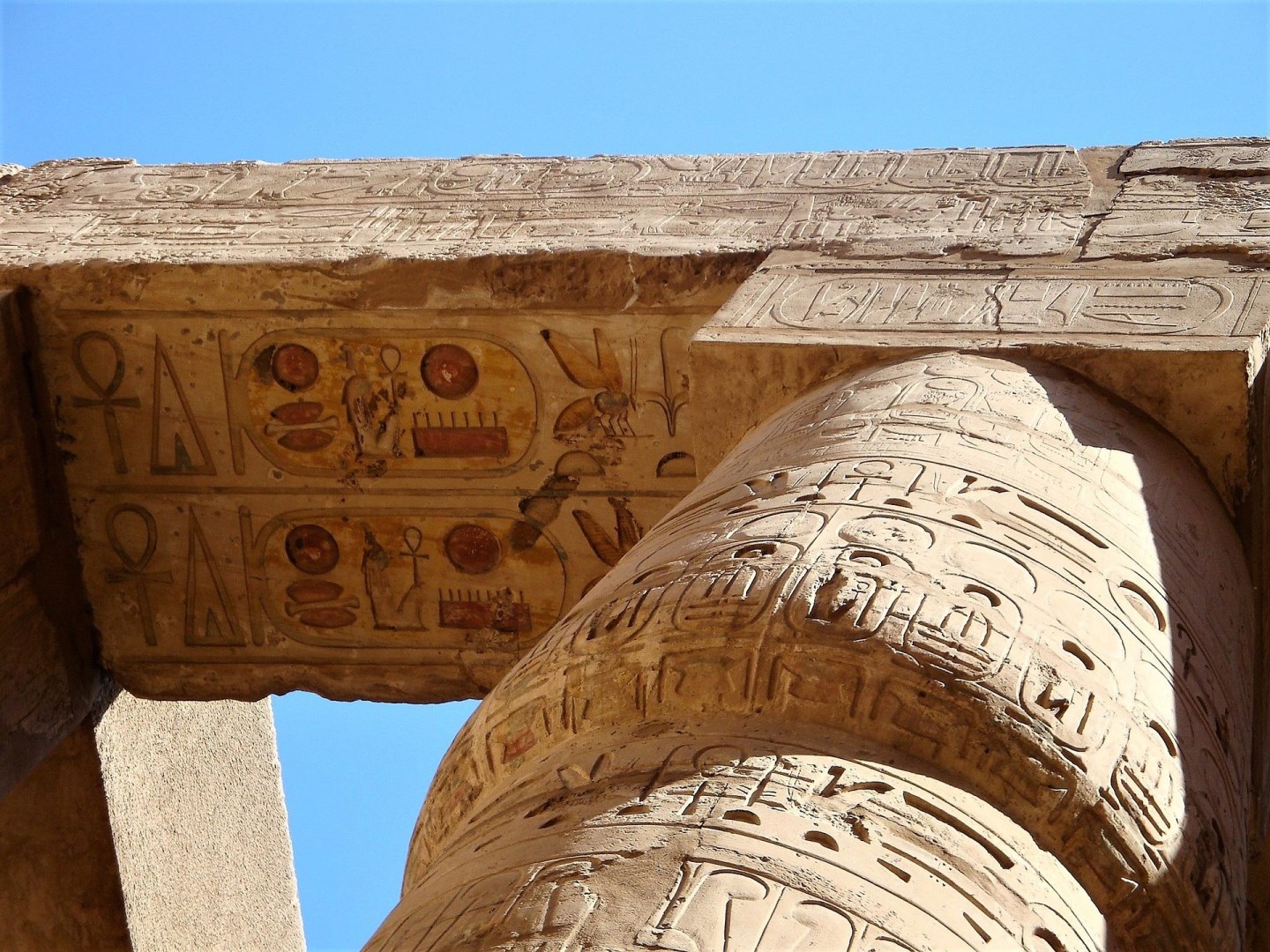
Karnak
Karnak is a vast collection of ruined temples, chapels and other buildings.
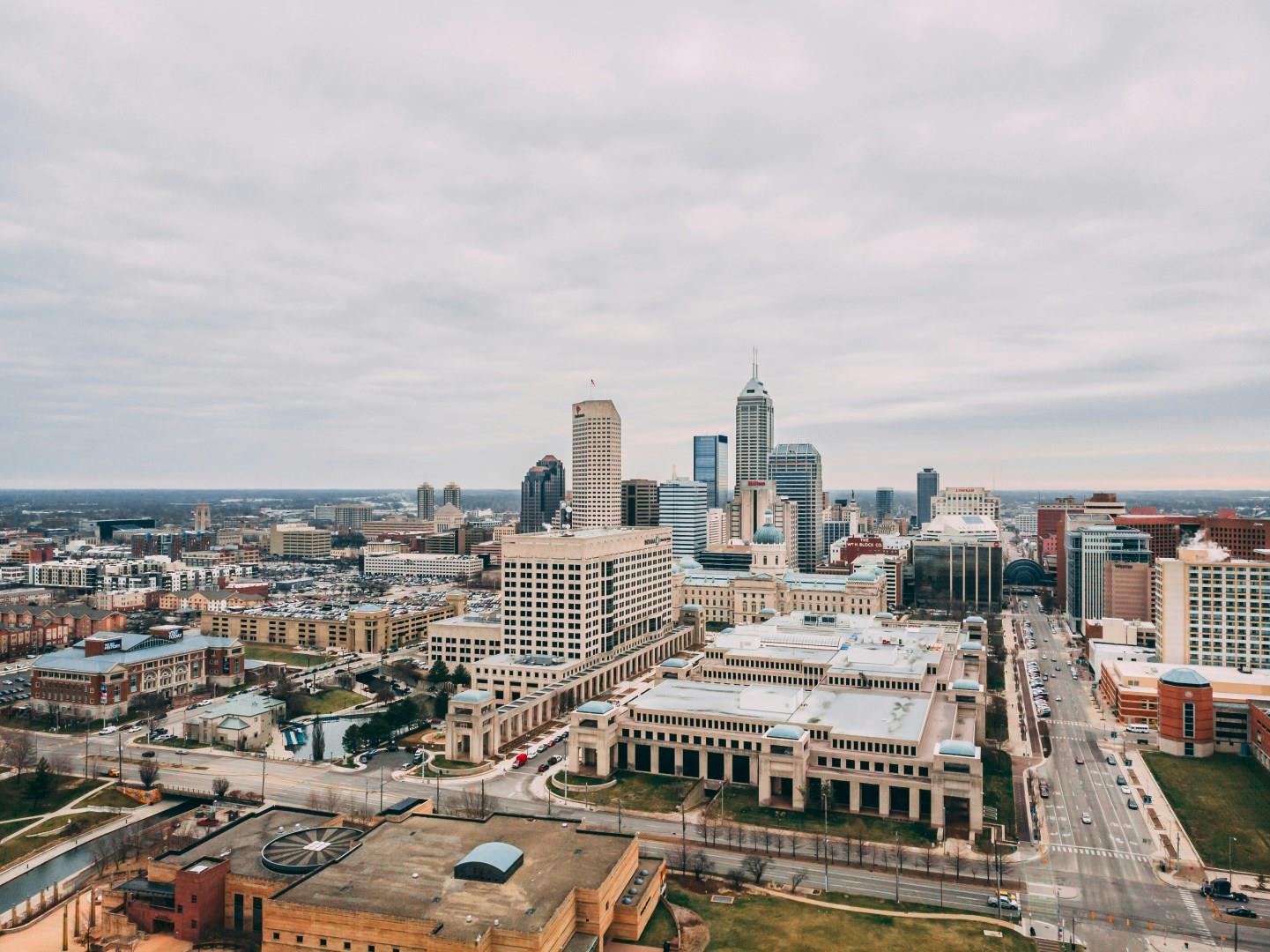
Indianapolis
Indianapolis, known as the Crossroads of America, is more than just a hub for interstates and conventions, it’s a city where speed, sports, and creativity intersect. At the center of it all is Monument Circle, a grand civic plaza anchored by the Soldiers and Sailors Monument, which visitors can climb for panoramic views of the skyline. Just a few blocks away is the Indianapolis Motor Speedway, the largest sporting venue in the world by capacity.
