

Pokhara
Pokhara, nestled in central Nepal, sits at the base of the Annapurna mountain range and has long served as both a rest stop for trekkers and a destination in its own right. What sets Pokhara apart is the rare opportunity to see 8,000-meter peaks like Machapuchare (Fishtail) and Annapurna I reflected in the calm waters of Phewa Lake. Early mornings are often the clearest, with boat rides offering peaceful views of snow-capped peaks mirrored in the lake.
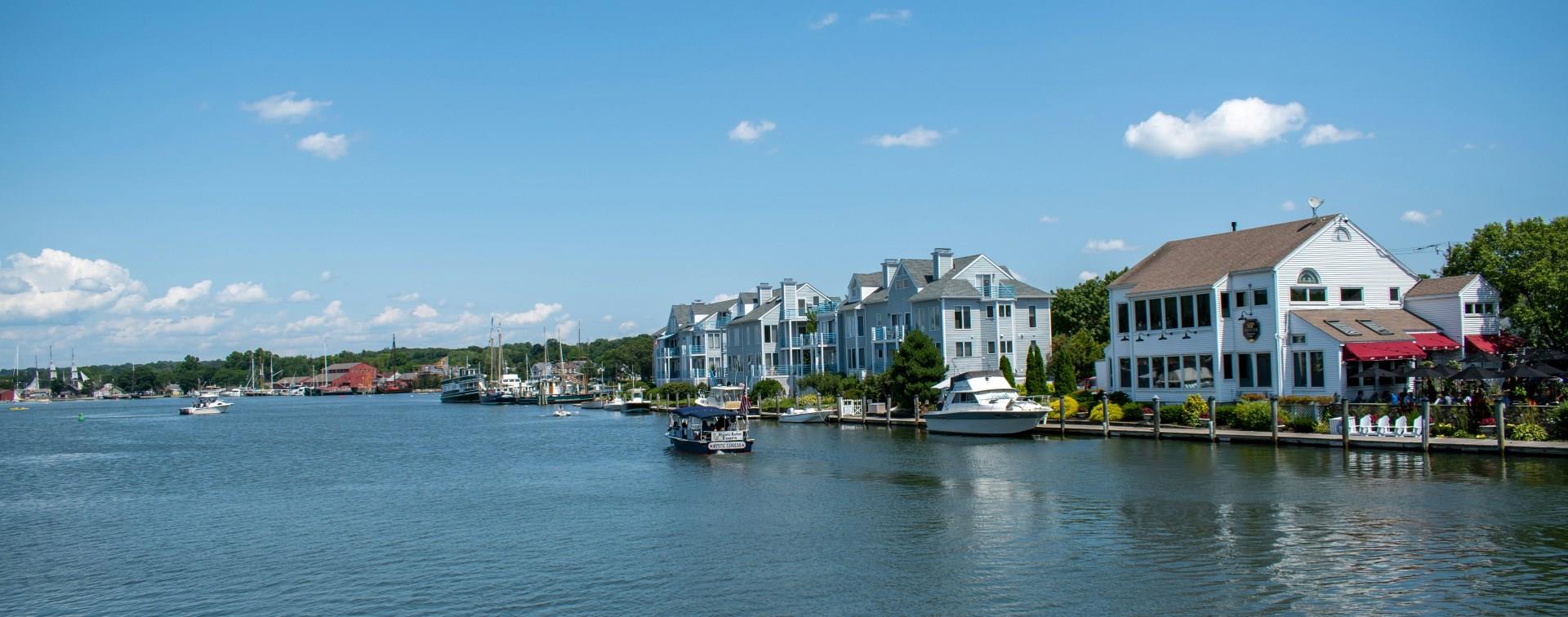
Mystic
Mystic, Connecticut, is a small town with a big story, one shaped by shipbuilders, sea captains, and centuries of maritime tradition. Once a bustling shipbuilding center during the 18th and 19th centuries, Mystic still carries the soul of a working seaport. Today, visitors can explore its nautical past at the Mystic Seaport Museum, home to America’s last wooden whaleship, the *Charles W. Morgan*.

Istanbul
Istanbul is a city built on layers of empire. Spanning two continents, it was once the capital of three major empires: Roman, Byzantine, and Ottoman. Visitors walking through the Sultanahmet district can witness this timeline firsthand, from the Roman-era Hippodrome to the Byzantine mosaics of Hagia Sophia, and the towering minarets of the Blue Mosque. At nearby Topkapi Palace, rooms still display the jeweled swords, ceremonial robes, and handwritten Qurans once used by Ottoman sultans.

Punakha
Punakha sits in one of Bhutan’s most fertile valleys, cradled where the Mo Chhu and Pho Chhu rivers meet. For centuries it served as the kingdom’s capital and remains a place rich with stories woven through its fields, temples, and riverbanks. The city’s low elevation brings warmer weather than much of Bhutan’s highland regions, and rice paddies fill the landscape with vivid green during planting and golden hues at harvest.

Fairbanks
Whether you come to marvel at the Northern Lights, the ice sculptures at the World Ice Art Championships or the pure wilderness, there is so much to see and do in Fairbanks! This charming town is full of Native culture, warm hospitality and pioneer spirit.
