

Bucharest
Tree-lined avenues, grand architecture, and the imperative to live well defines Bucharest, a bustling city that is rebounding and expanding. In the 1900s, this vibrant Romanian capital was nicknamed "Little Paris" and that jubilant, raise-a-glass spirit carries over to this day.
Cankuzo
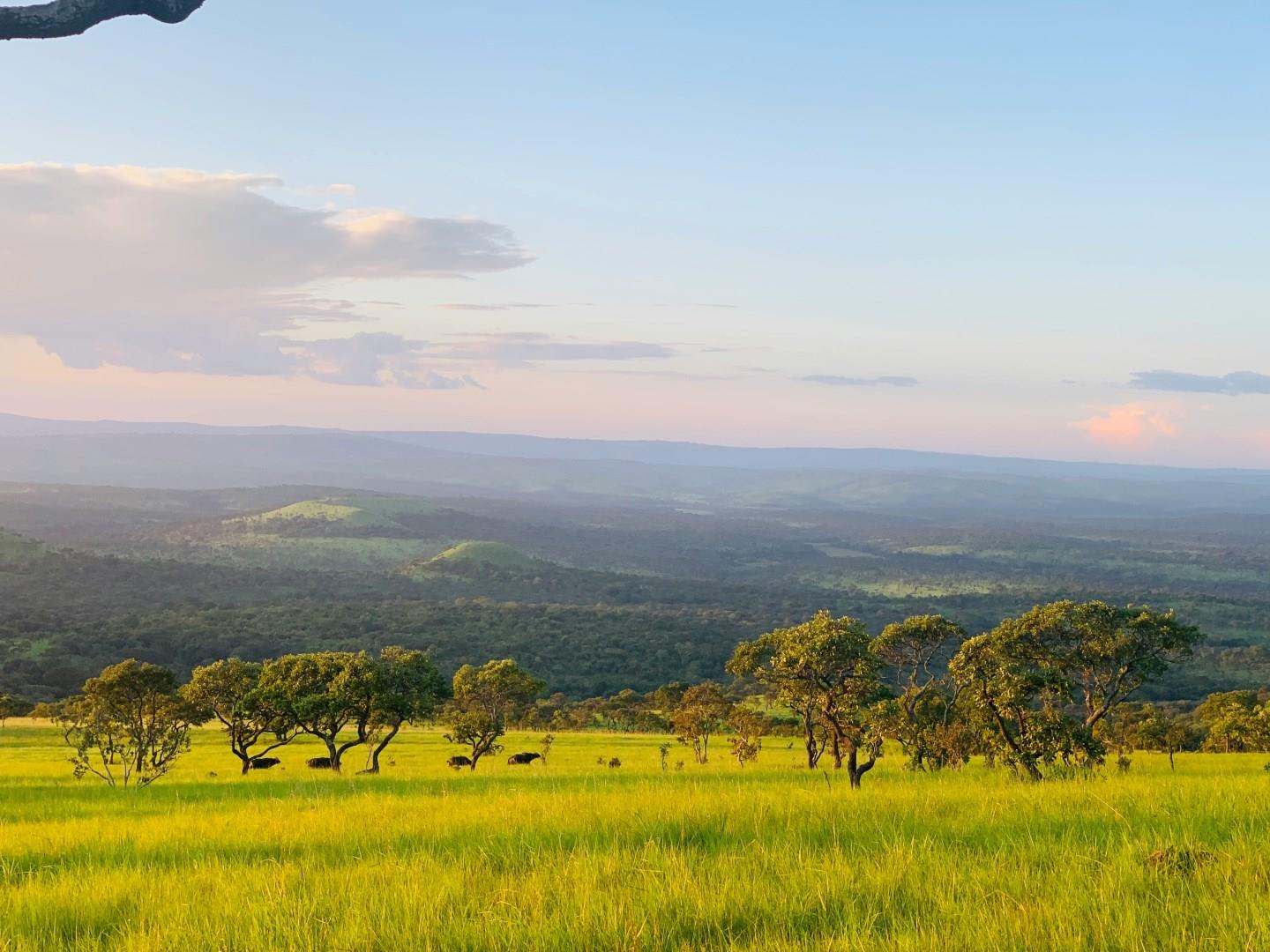
Cankuzo, tucked in Burundi’s eastern corner near the Tanzanian border, offers travelers a lesser-known but deeply rewarding experience. Known for its rolling hills, scattered woodlands, and untouched landscapes, Cankuzo is one of the country’s least populated provinces, which adds to its charm. The region’s peaceful setting makes it an ideal place to experience rural Burundi in its most genuine form.
Panajachel
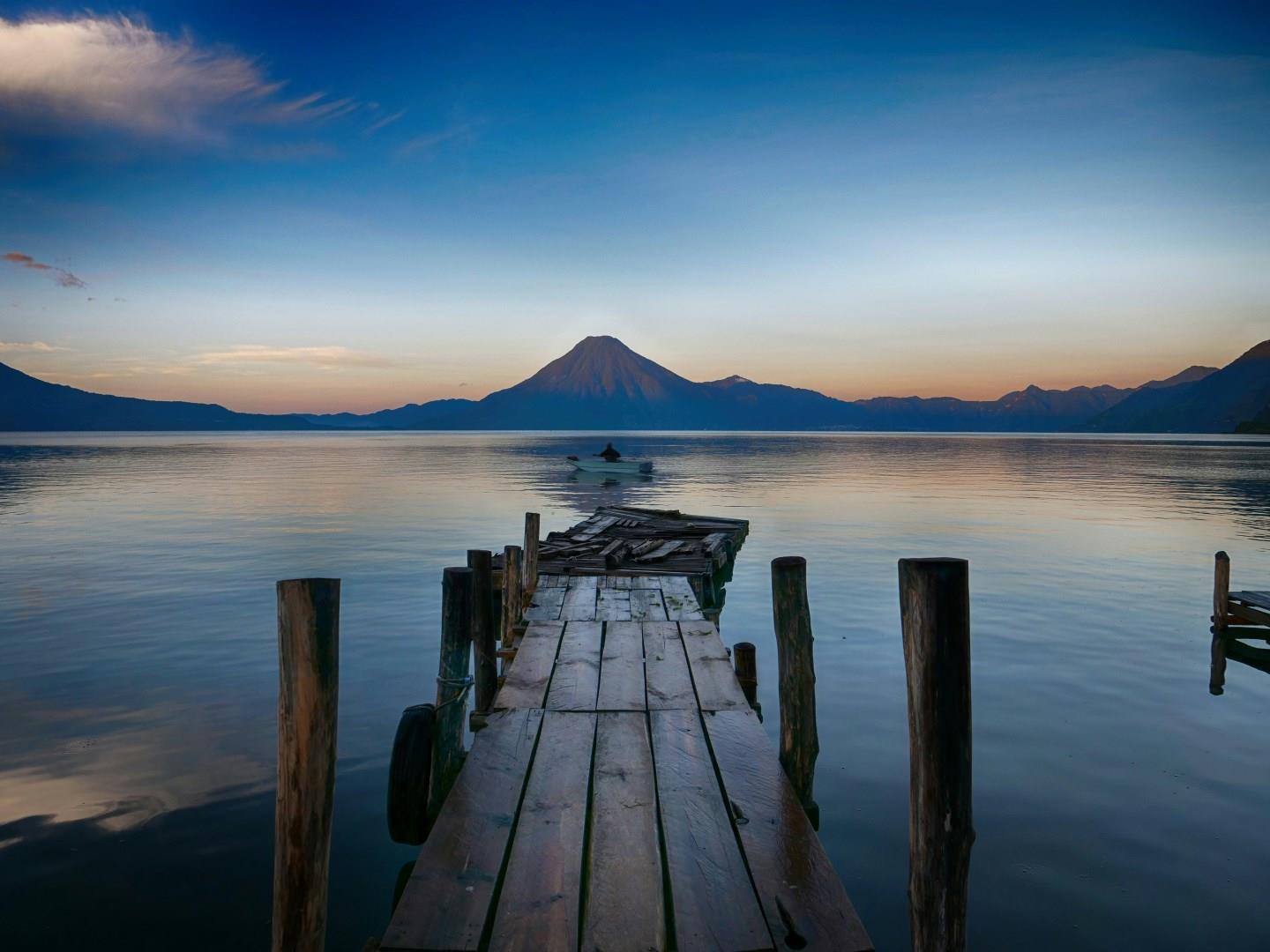
Panajachel, on the shores of Guatemala’s Lake Atitlán, is a vibrant town framed by volcanic peaks and the shimmering waters of one of the world’s most picturesque lakes.

Yokohama
Yokohama, Japan's vibrant port city, offers a delightful blend of historical charm and modern excitement. Located just a short train ride from Tokyo, Yokohama is renowned for its picturesque waterfront and cultural attractions.

Virgin Islands
The Virgin Islands, an archipelago in the northeastern Caribbean, are divided between the United States and the United Kingdom, each offering a distinct flavor while sharing the same breathtaking landscapes. These islands are known for their lush hillsides, crescent-shaped beaches, and some of the clearest waters in the region.
