

New York City
New York City is a city that pulses with movement, sound, and stories at every corner. Whether it's the echo of footsteps under Grand Central Terminal’s iconic ceiling or the quiet shuffle of chess pieces in Washington Square Park, every detail is part of a larger rhythm. New York’s cultural offerings are unmatched in scope. A single day could include a visit to the Museum of Modern Art, a Broadway matinee, and live jazz at an underground club in the Village.
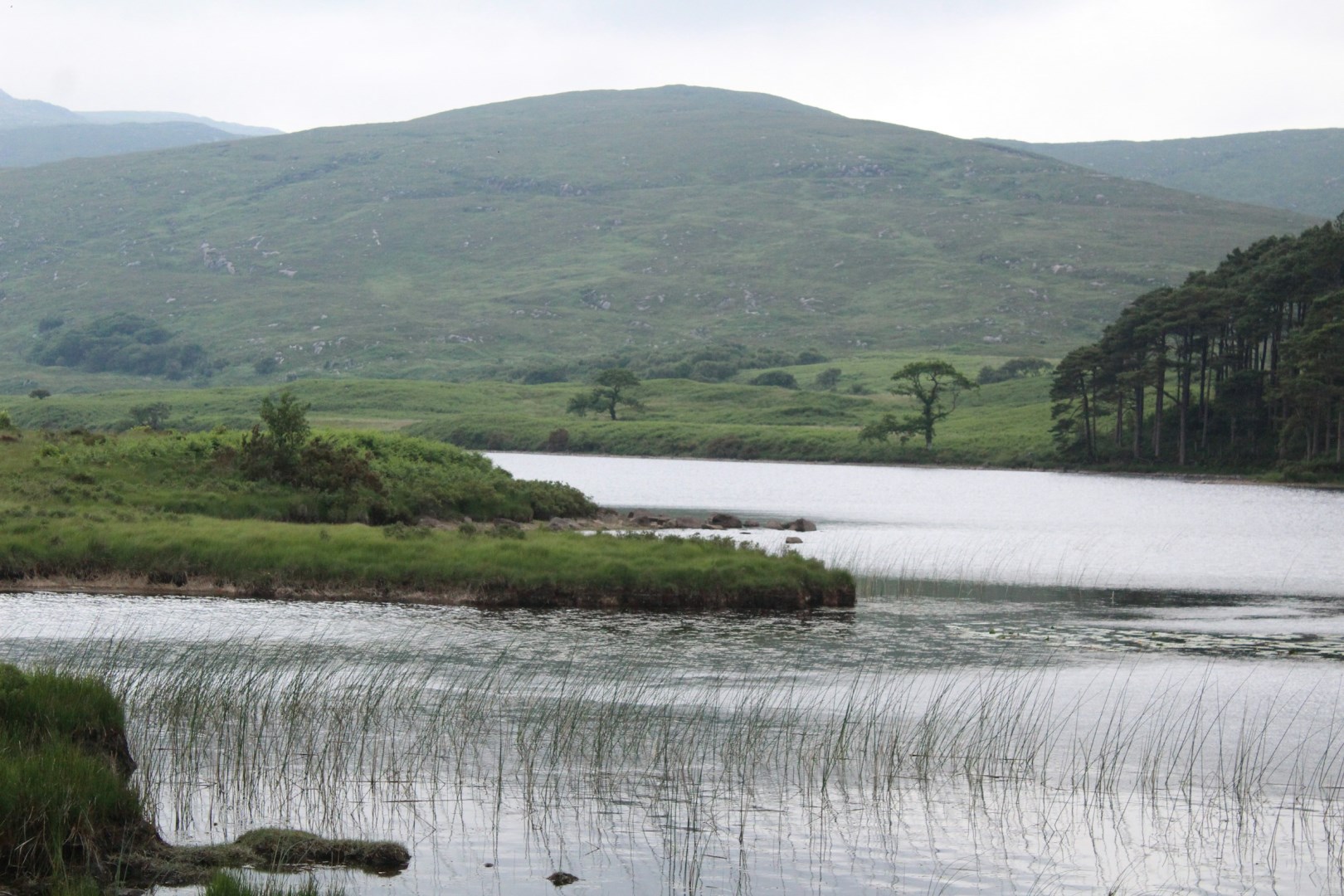
Letterkenny
Letterkenny, the largest town in County Donegal, Ireland, is a vibrant hub where traditional charm meets modern amenities. Set amidst the picturesque landscapes of Donegal, Letterkenny serves as a gateway to the rugged beauty of the Wild Atlantic Way. This bustling town offers a mix of cultural attractions, outdoor activities, and local charm that will captivate any traveler.
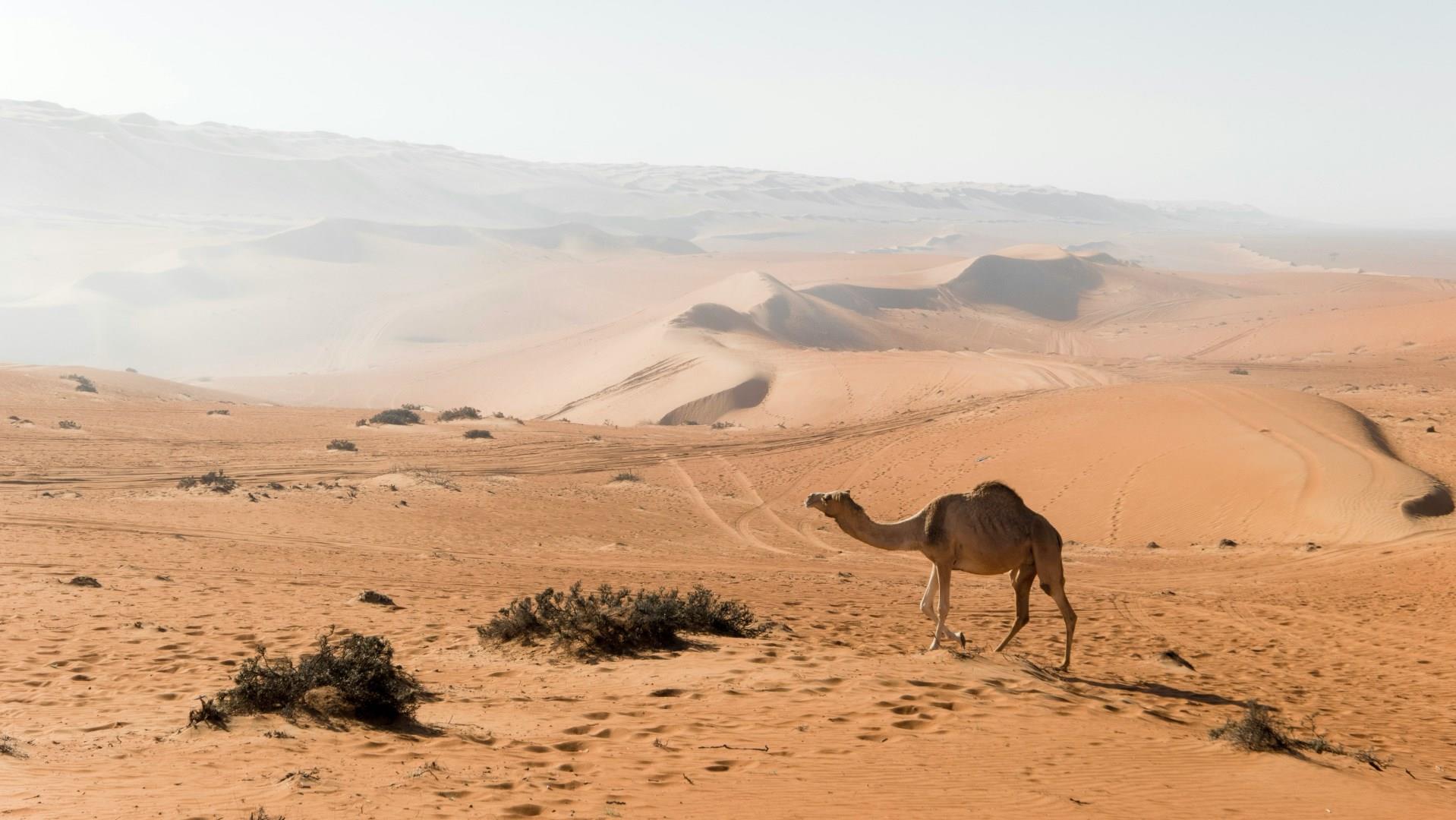
Wahiba Sands
Stretching across central Oman, the Wahiba Sands offer a dramatic desert landscape of rolling dunes that shift in color with the changing light. This vast sea of sand is home to towering ridges and open plains, creating an otherworldly backdrop for exploration.
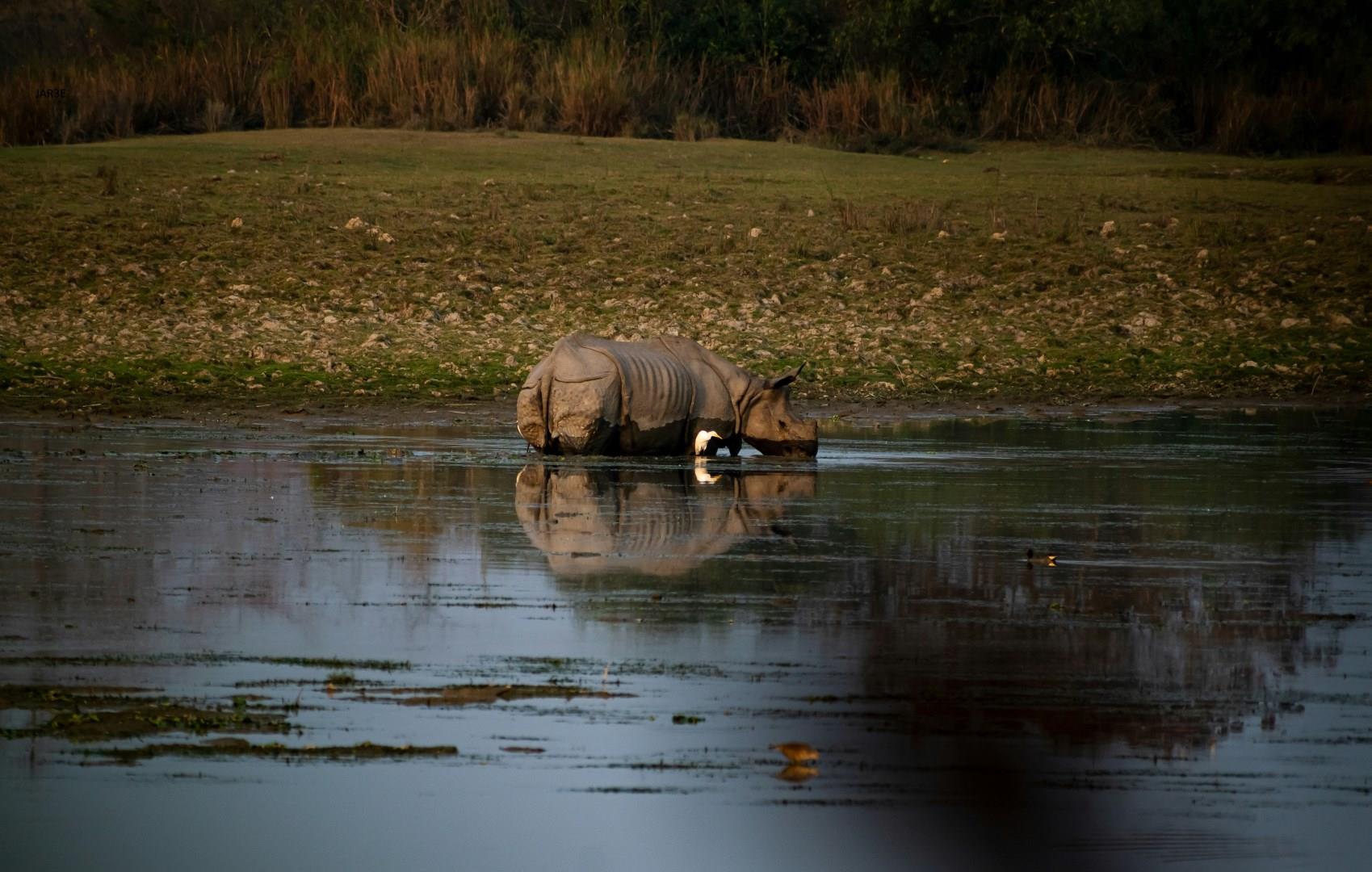
Kaziranga National Park
Kaziranga National Park stretches across the floodplains of the Brahmaputra River in Assam, shaped as much by water as by wildlife. Established in the early 20th century, it became central to conservation efforts in India, most notably for the greater one-horned rhinoceros. The park’s history reflects a long negotiation between protection, seasonal flooding, and the human communities that live around its edges.
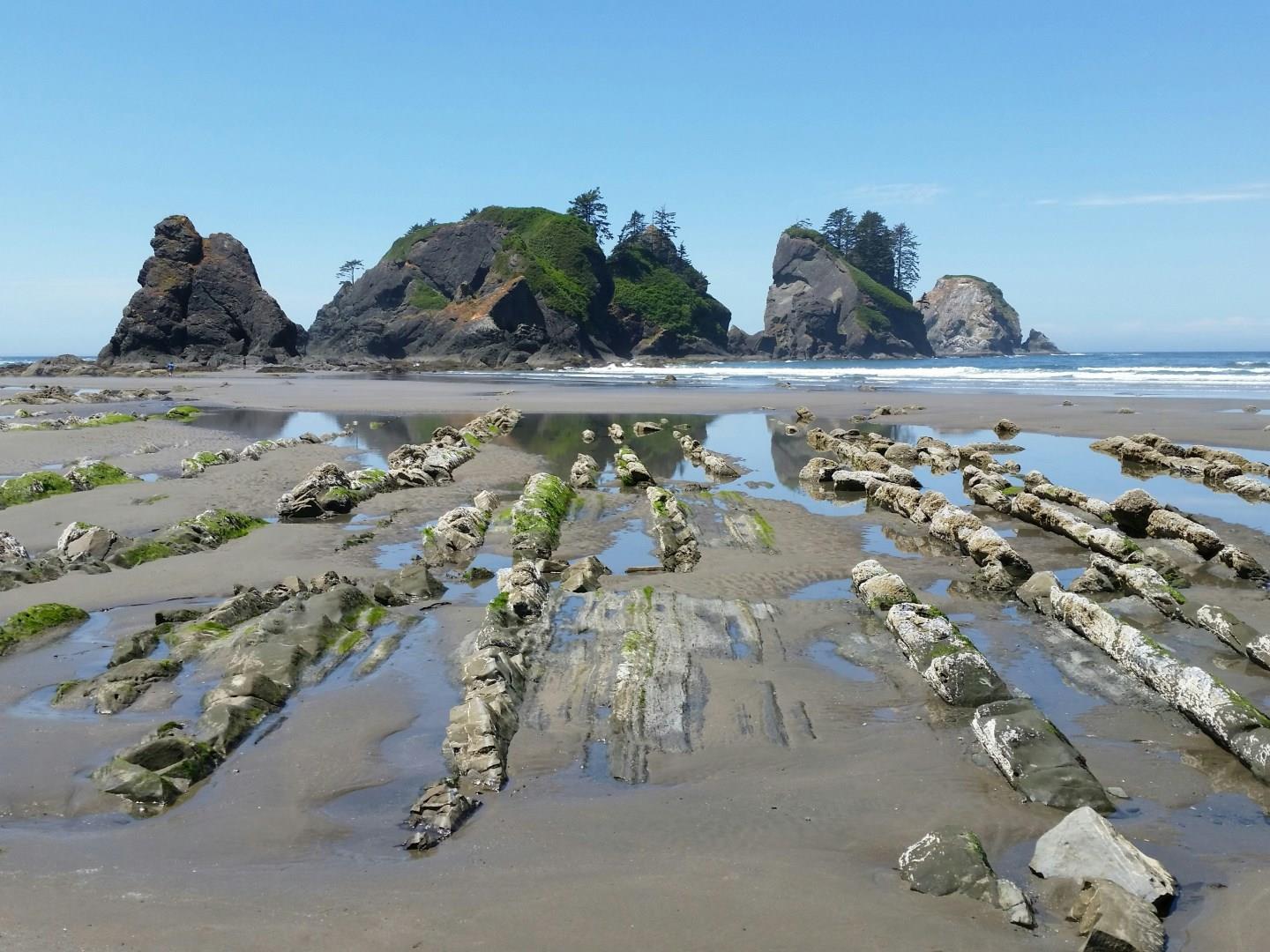
Olympic Peninsula
The Olympic Peninsula occupies the far northwest corner of Washington State, where mountains, rainforest, and coastline meet within a relatively compact area.
