
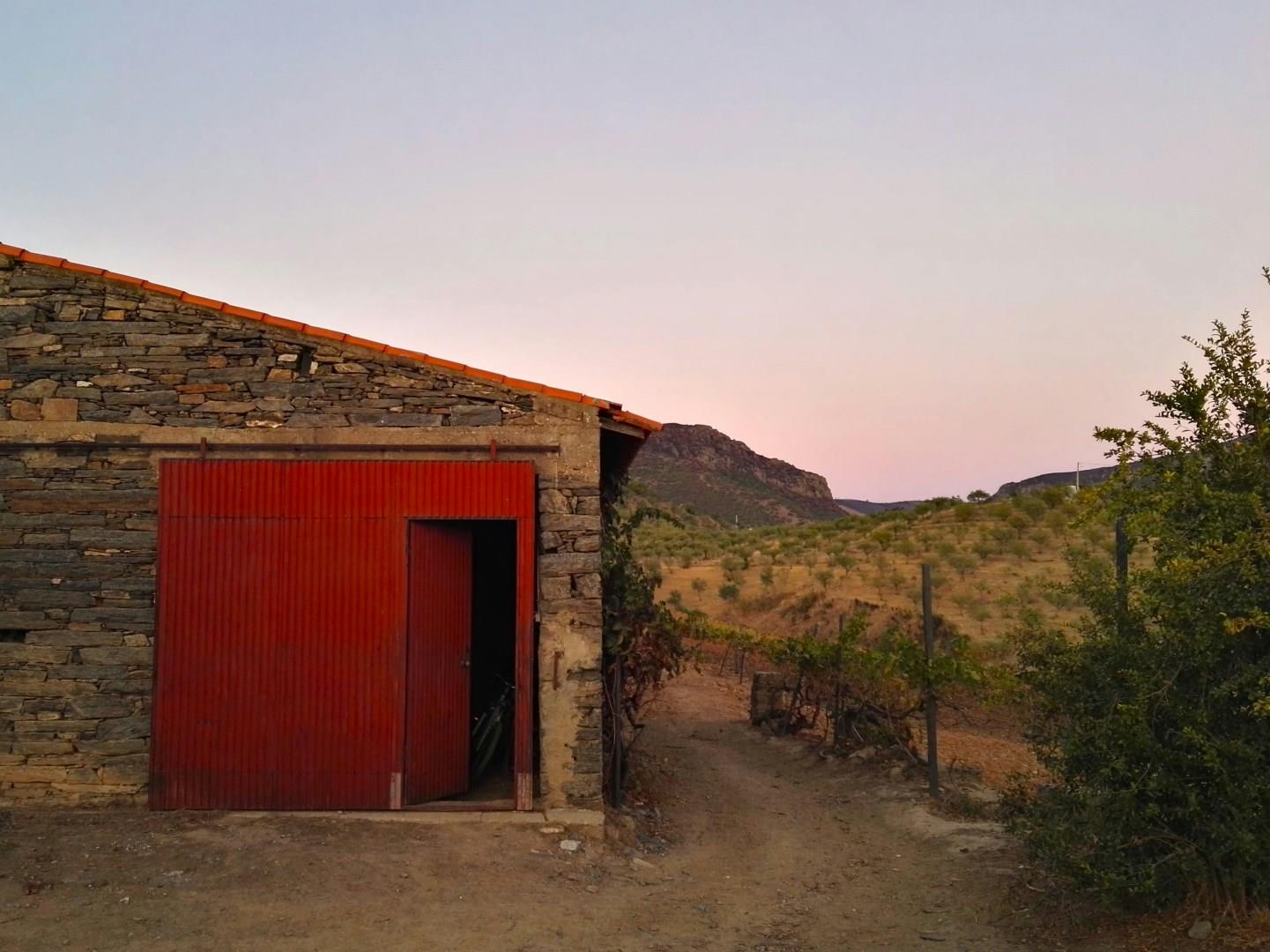
Barca d'Alva
Barca d'Alva sits quietly along the Douro River, right at Portugal’s eastern border with Spain. Once the final stop on the historic Douro railway line, this riverside village remains relatively untouched by mass tourism. The surrounding landscape filled with terraced vineyards, olive groves, and almond trees form part of the UNESCO-listed Alto Douro Wine Region.
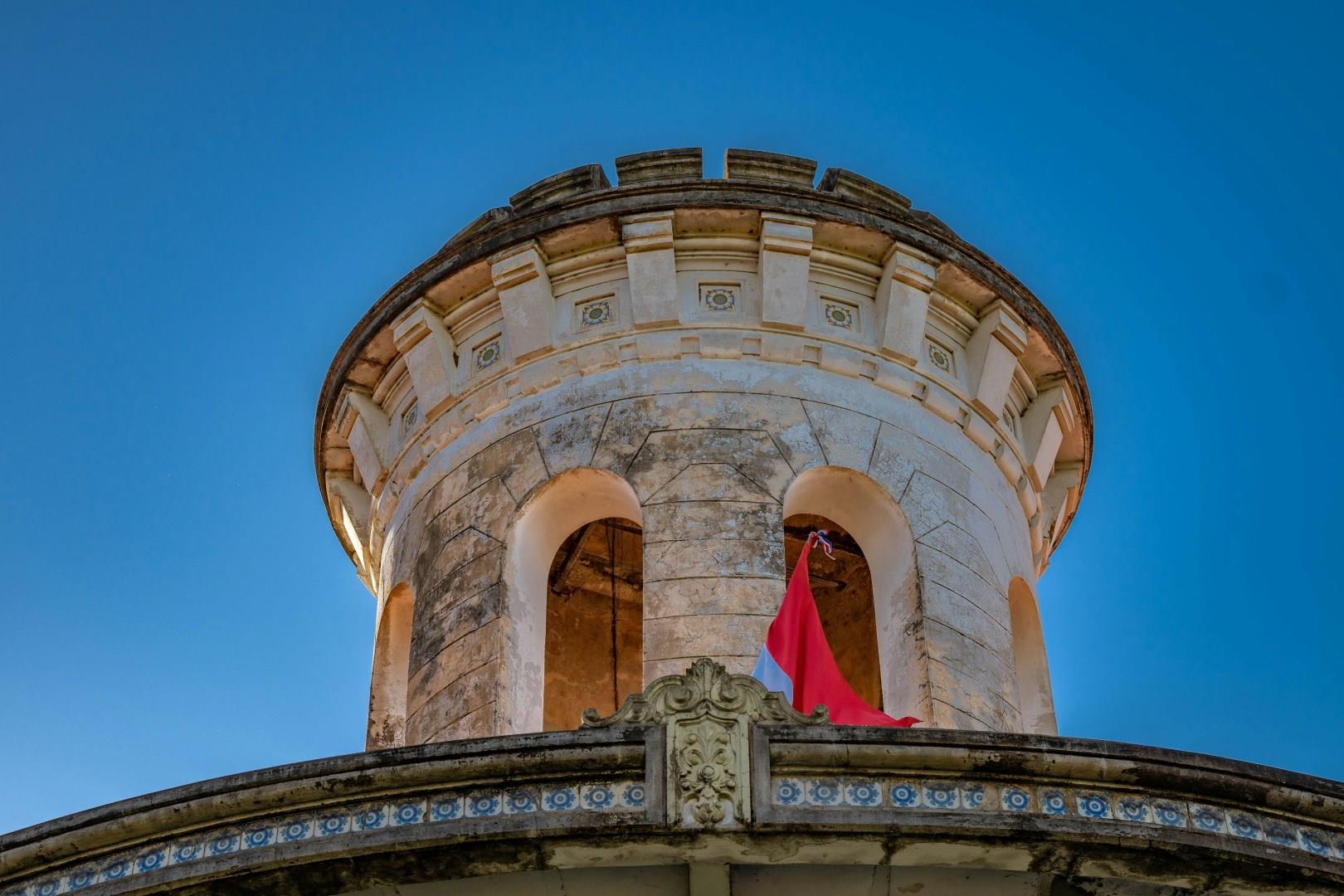
Areguá
Just 30 kilometers from Asunción, Areguá welcomes visitors with cobbled streets, colonial facades, and a creative energy that has earned it the title of Paraguay’s “City of Arts.” Known for its thriving artist community and traditional crafts, Areguá is perched on the edge of Lake Ypacaraí and framed by rolling hills and red clay cliffs. Whether you're arriving for the annual strawberry fair or simply passing through on a weekend escape, Areguá invites slow walks, open studios, and conversation.

Ceske Budejovice
Ceske Budejovice, the vibrant capital of the South Bohemian Region in the Czech Republic, is a city rich in history and culture. Its most famous landmark is the magnificent Black Tower, offering panoramic views of the city and the surrounding countryside. This 72-meter-tall Gothic tower, completed in the 16th century, is a prime example of the city's architectural heritage source.
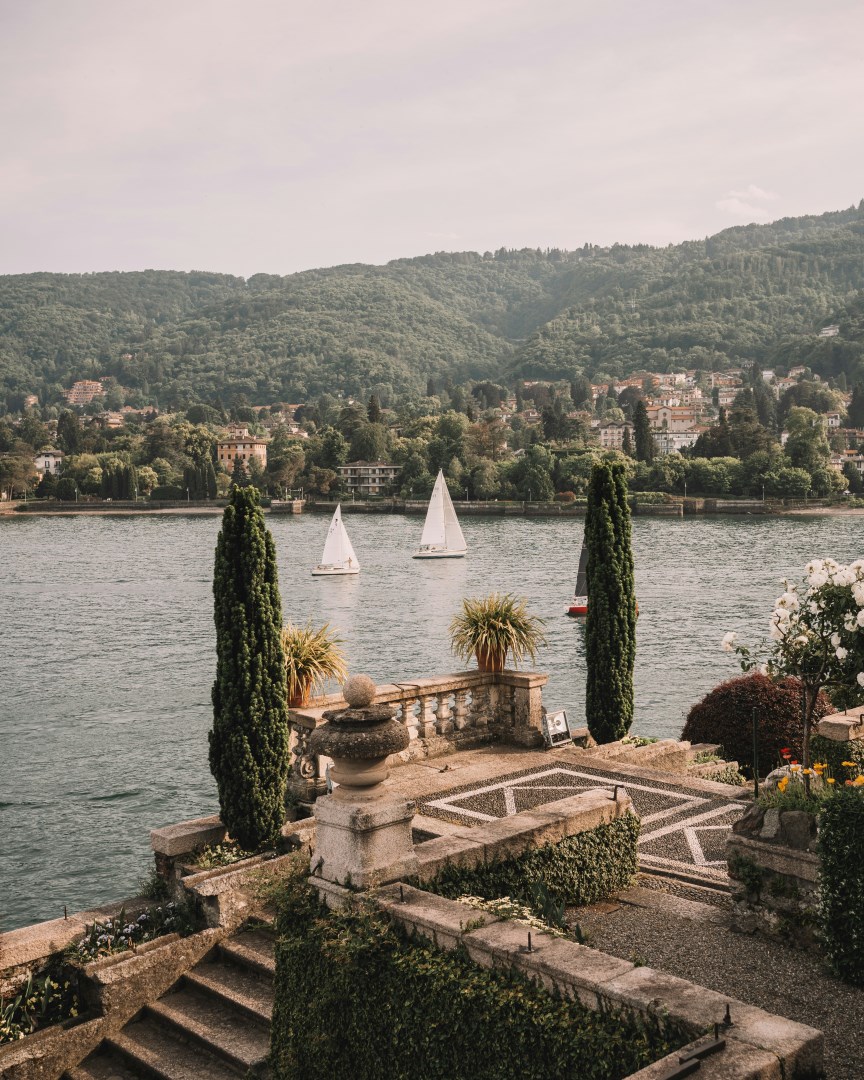
Stresa
Set along the western shore of Lake Maggiore, Stresa is one of northern Italy’s most graceful lakeside towns. Its elegant promenade, framed by grandhotels and views of the Borromean Islands, has attracted travelers since the 19th century, from European nobility to writers like Ernest Hemingway.
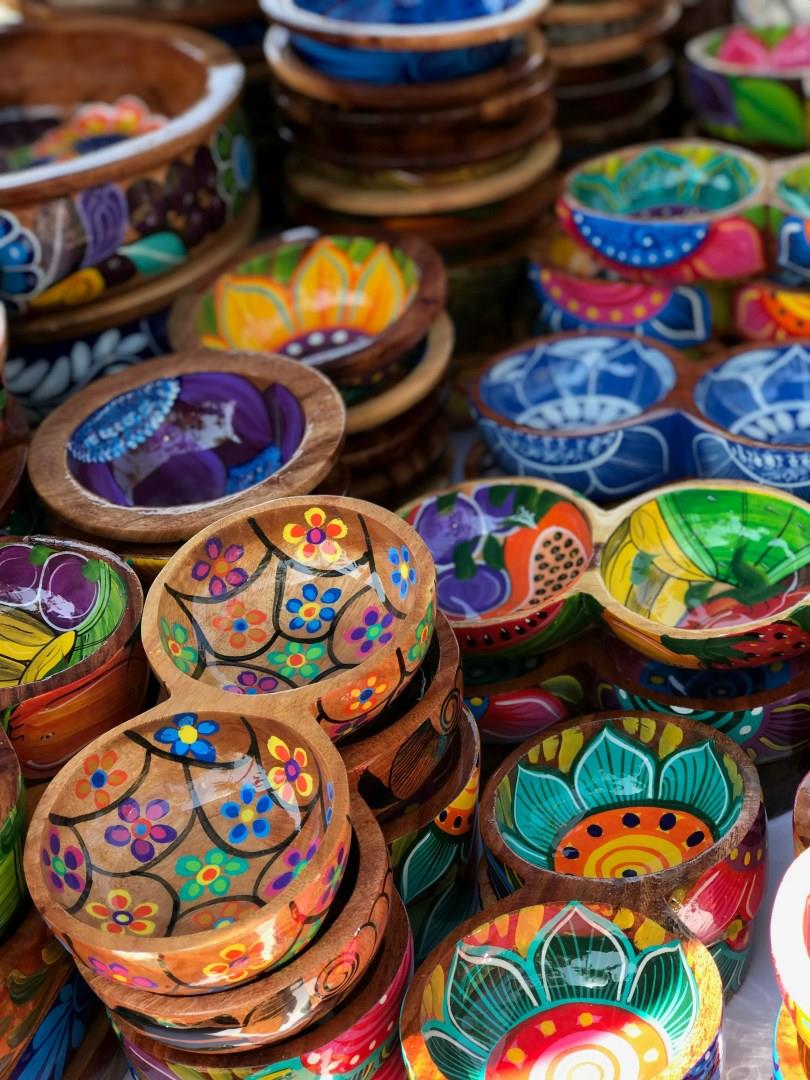
Nuevo Vallarta
Nuevo Vallarta, located along the Bahía de Banderas in the state of Nayarit, is a coastal destination known for its wide, sandy beaches and marina-lined canals. Originally developed as a tourism project in the late 20th century, it has grown into a well-organized resort area with luxury hotels, golf courses, and waterfront condos. Unlike older beach towns with colonial roots, Nuevo Vallarta was designed from the start to offer modern comfort while being surrounded by natural landscapes.
