

Santa Fe
Santa Fe, New Mexico, with its adobe-style architecture, vibrant arts scene, and unique blend of Native American, Spanish, and Anglo influences, is a destination like no other. Known as "The City Different," Santa Fe stands apart with its rich history and cultural diversity. A fun fact about Santa Fe is that it is the highest state capital in the United States, sitting at an elevation of 7,199 feet.
Alta
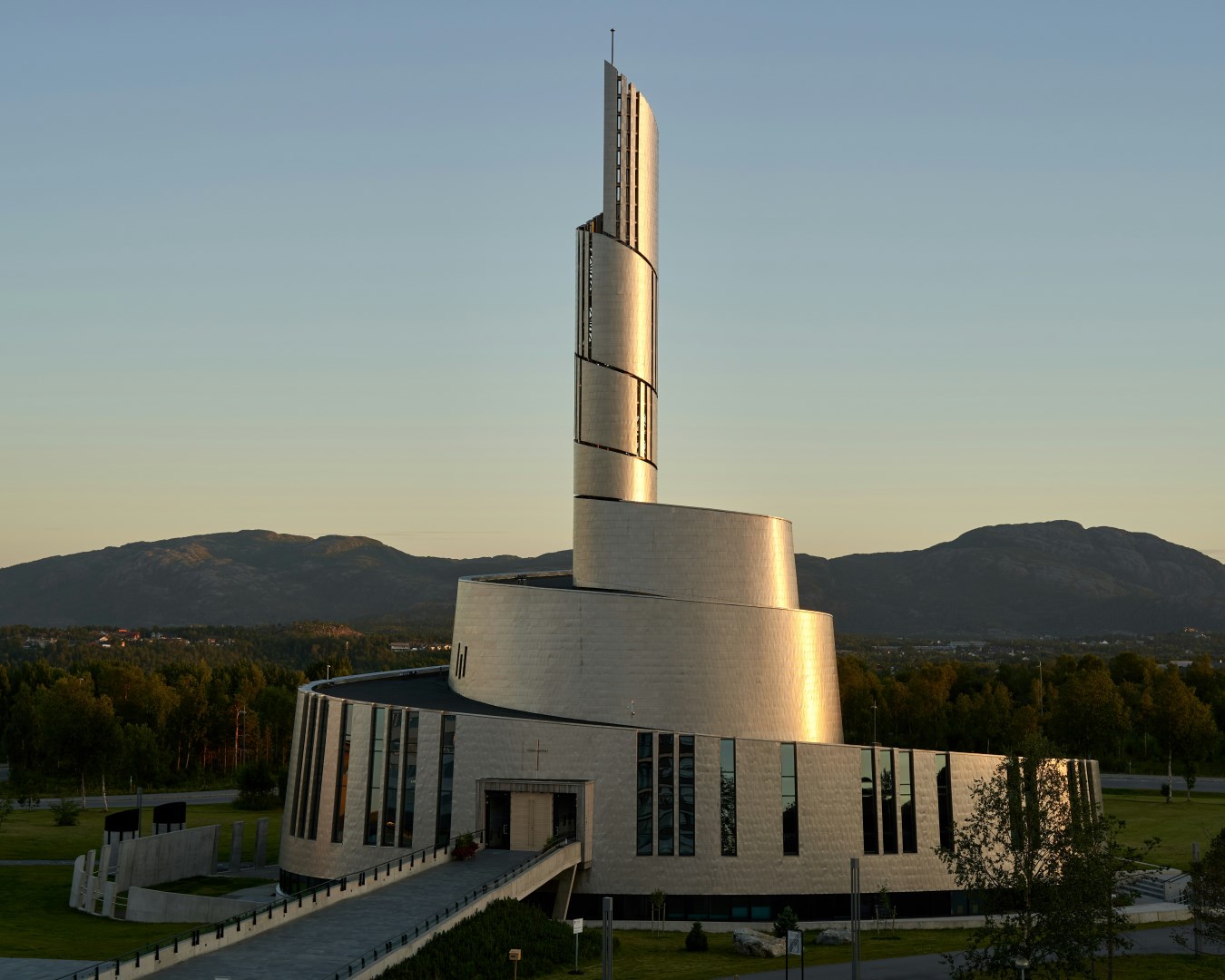
Alta is a town in northern Norway located at the head of Altafjord in Finnmark County, well above the Arctic Circle. The area is known for its combination of coastal landscapes, birch forests, mountain plateaus, and Arctic climate.

Virgin Gorda
Part of the British Virgin Islands, Virgin Gorda is an island in the Caribbean famous for The Baths National Park, whose natural geologic granite formations dot the island's beaches and create stunning tidal pools and grottoes.
Amarante
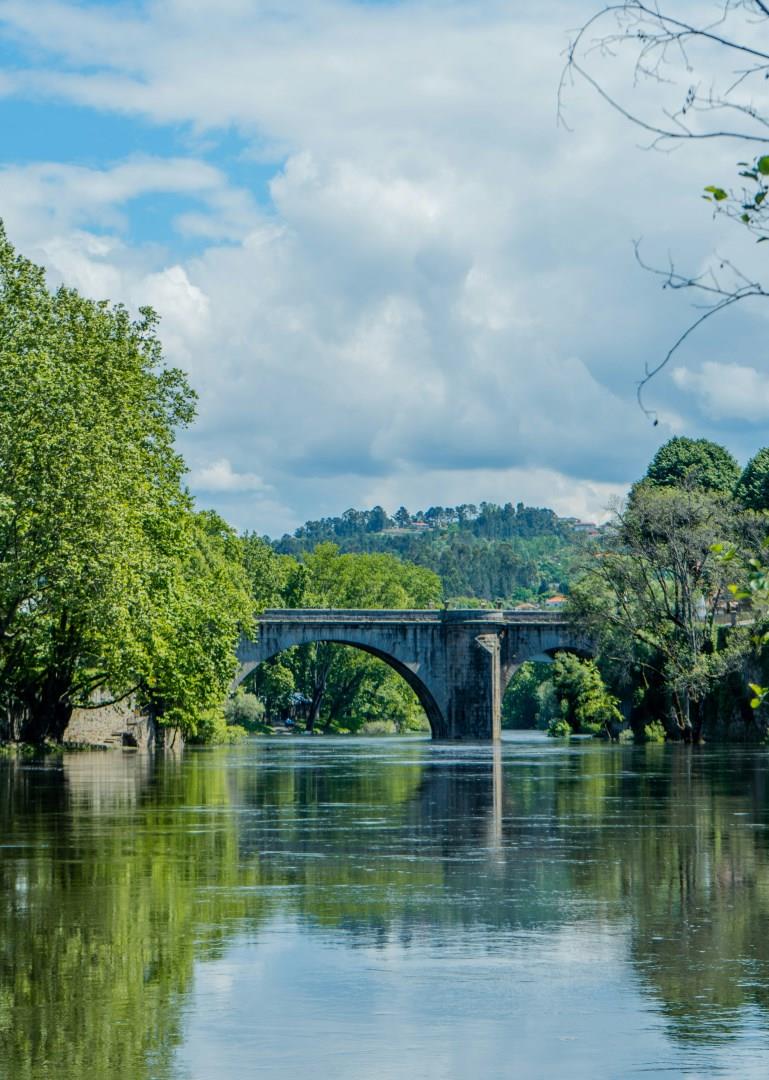
Amarante, located in Portugal’s northern region of Tâmega e Sousa, sits quietly along the banks of the Tâmega River, framed by stone bridges, historic churches, and lush hills. The city is best known for its connection to São Gonçalo, a 13th-century monk whose name now graces the arched bridge and the grand convent-church that stands beside it.

La Jolla
La Jolla, California, is a coastal gem nestled within San Diego, renowned for its breathtaking cliffs, pristine beaches, and charming village atmosphere. One of the main draws is the La Jolla Cove, a picturesque spot that offers crystal-clear waters perfect for snorkeling, kayaking, and spotting marine life, including the iconic California sea lions that sunbathe on the rocks.
