

Chitre
Chitré is a city in central Panama, located on the Azuero Peninsula and serving as the capital of Herrera Province. The cultural identity of Chitré is closely tied to folkloric traditions that remain visible in clothing, music, and public celebrations.

Prince Edward Island
Located in the Gulf of St. Lawrence in southeastern Canada, Prince Edward Island has been nicknamed "The Garden of the Gulf." It was founded in 1534 by French Explorer Jacques Cartier and is primarily a fishing center and summer tourist destination.
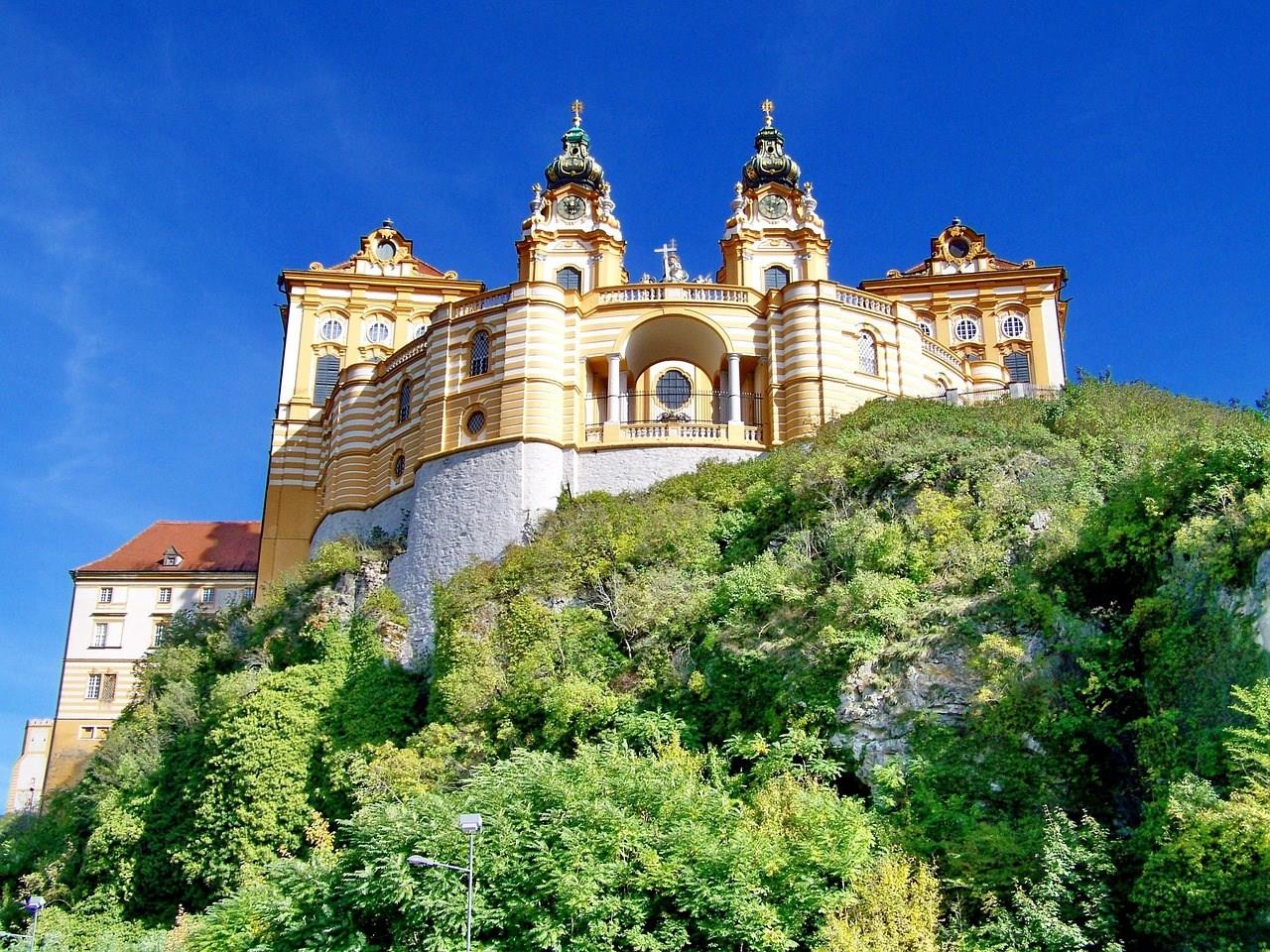
Wachau Valley
Austria’s Wachau Valley is a scenic stretch of the Danube River between Melk and Krems, known for its terraced vineyards, medieval towns, and a deep sense of history.
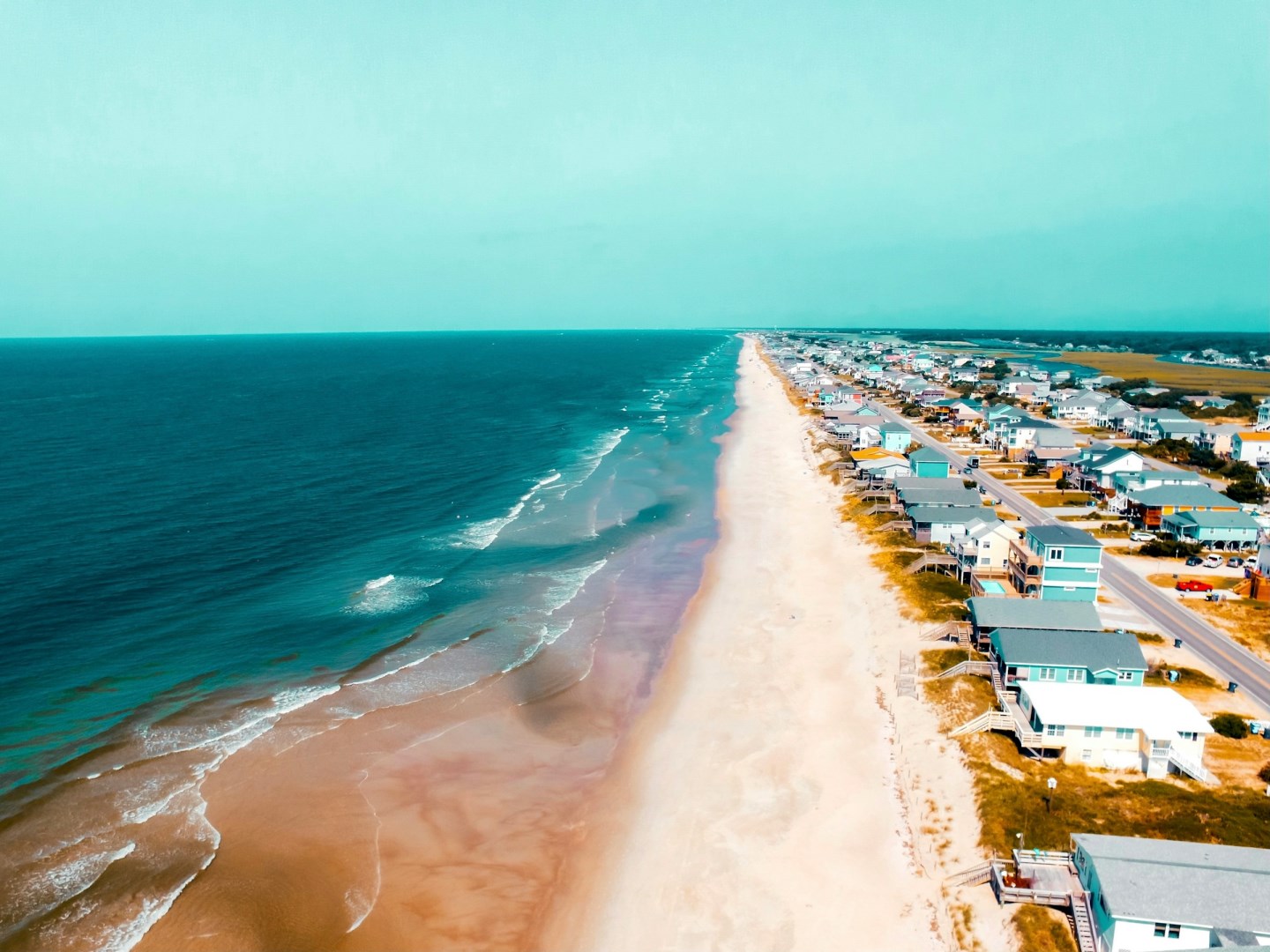
North Carolina
North Carolina is a state where natural beauty and cultural richness collide, offering visitors a wide variety of experiences. From the breathtaking peaks of the Blue Ridge Mountains to the sun-drenched shores of the Outer Banks, North Carolina’s diverse landscapes provide endless opportunities for adventure. The iconic Great Smoky Mountains National Park is a must-see for hikers and wildlife enthusiasts.

Virgin Gorda
Part of the British Virgin Islands, Virgin Gorda is an island in the Caribbean famous for The Baths National Park, whose natural geologic granite formations dot the island's beaches and create stunning tidal pools and grottoes.
