
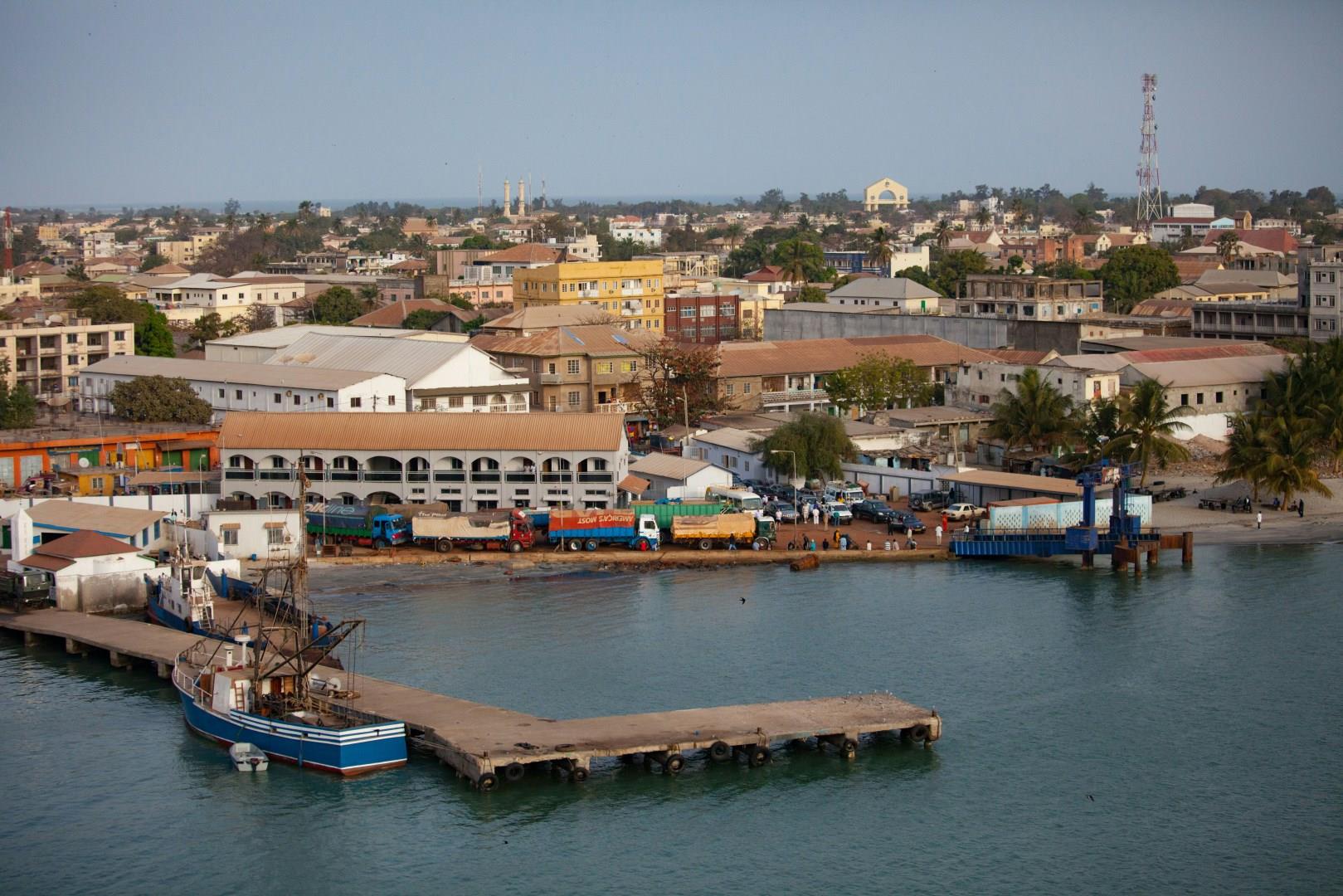
Banjul
Banjul, the capital of The Gambia, is located on St. Mary’s Island at the mouth of the Gambia River, giving it a unique waterfront setting.

Honduras
Honduras, located in the heart of Central America, is a destination that offers both hidden treasures and well-known wonders. The country’s history is deeply tied to the ancient Maya civilization, with the ruins of Copán, a UNESCO World Heritage Site, standing as one of the most impressive archaeological sites in the region.

British Columbia
The capital of British Columbia is Victoria, and the total area equals 366,253 square miles. This province has a truly diverse climate: everything from majestic mountains to sparse deserts to rugged coastlines can be found here.

Vancouver
This vibrant, diverse British Columbia seaport is one of the jewels of Canada. Surrounded by ocean and mountains alike, Vancouver offers breathtaking vistas, not to mention world-class outdoor activities, culinary delights, fine art, and cultural events.

Speyer
Speyer, located in the Rhineland-Palatinate region of Germany, is a city rich in history and culture. One of its most notable landmarks is the Speyer Cathedral, a UNESCO World Heritage Site and one of the largest Romanesque churches in the world.
