

Coffee Axis
Nestled in the heart of the Andean mountains, Colombia's Coffee Region, or “Eje Cafetero,” is a lush tapestry of rolling hills, fertile valleys, and towering wax palms. This UNESCO World Heritage-listed landscape is more than just the epicenter of Colombia's coffee production—it is an invitation to explore a culture steeped in tradition, warmth, and a deep appreciation for the natural world.

Bamberg
Bamberg, located in northern Bavaria, stands out for its remarkably preserved medieval layout, which earned it a spot on the UNESCO World Heritage list. Built on seven hills and often compared to Rome for that reason, the city’s architecture reflects over a thousand years of uninterrupted development. Bamberg is well known for its beer, and not just in the usual Bavarian sense. The city has more breweries per capita than any other town in Germany, and it’s the birthplace of rauchbier.

Innsbruck
Located in western Austria, Innsbruck is a charming European destination on the banks of the Inn River. A popular stop for skiing, Innsbruck is nestled within the Alps and offers a variety of cable cars to whisk you to the mountains for outdoor sports and spectacular views of the Innsbruck below.
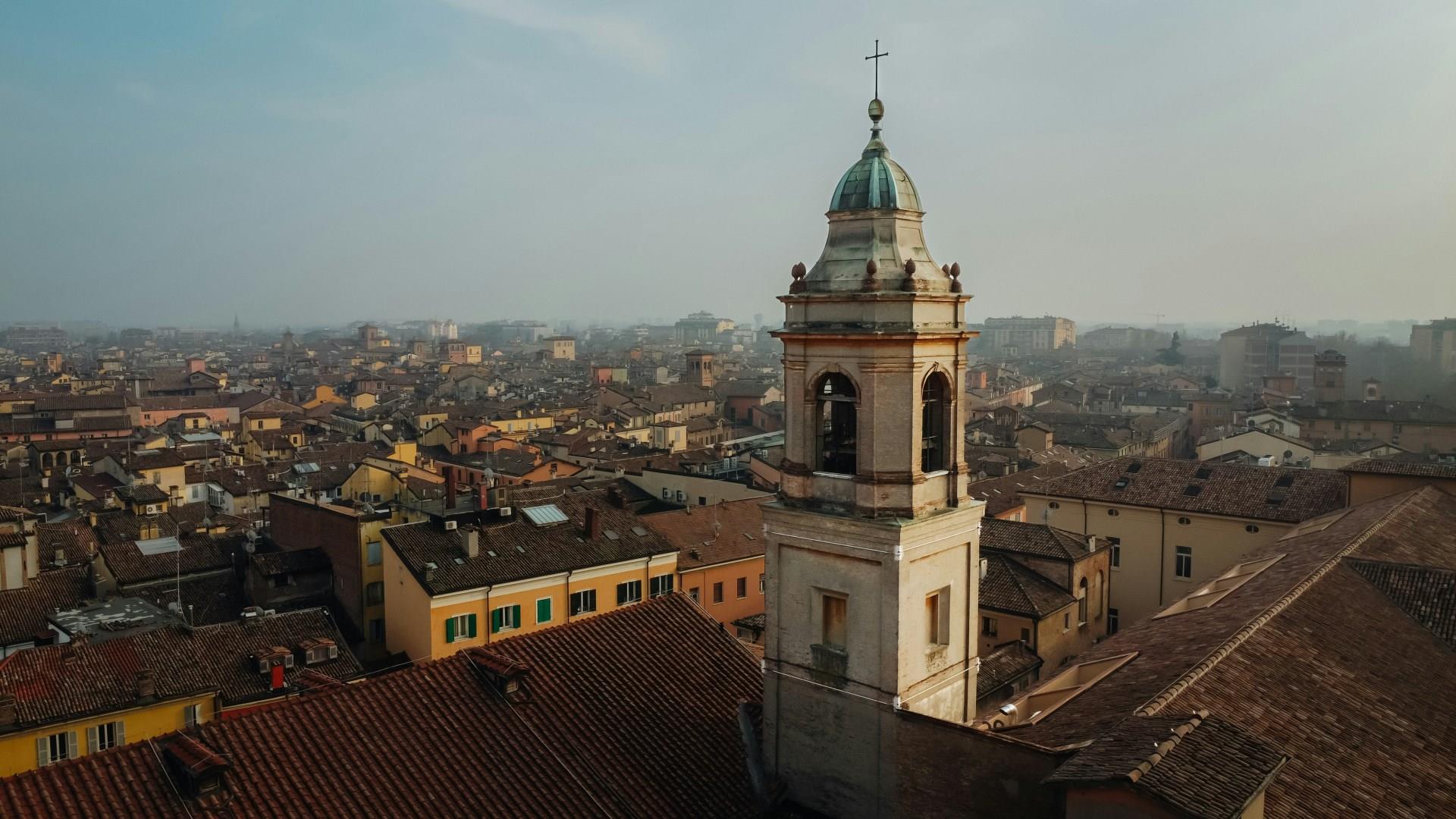
Modena
Modena is a historic city in the Emilia-Romagna region of northern Italy, celebrated for its deep culinary heritage, elegant architecture, and automotive excellence. It lies in the fertile Po Valley and is often considered one of Italy’s most livable cities.
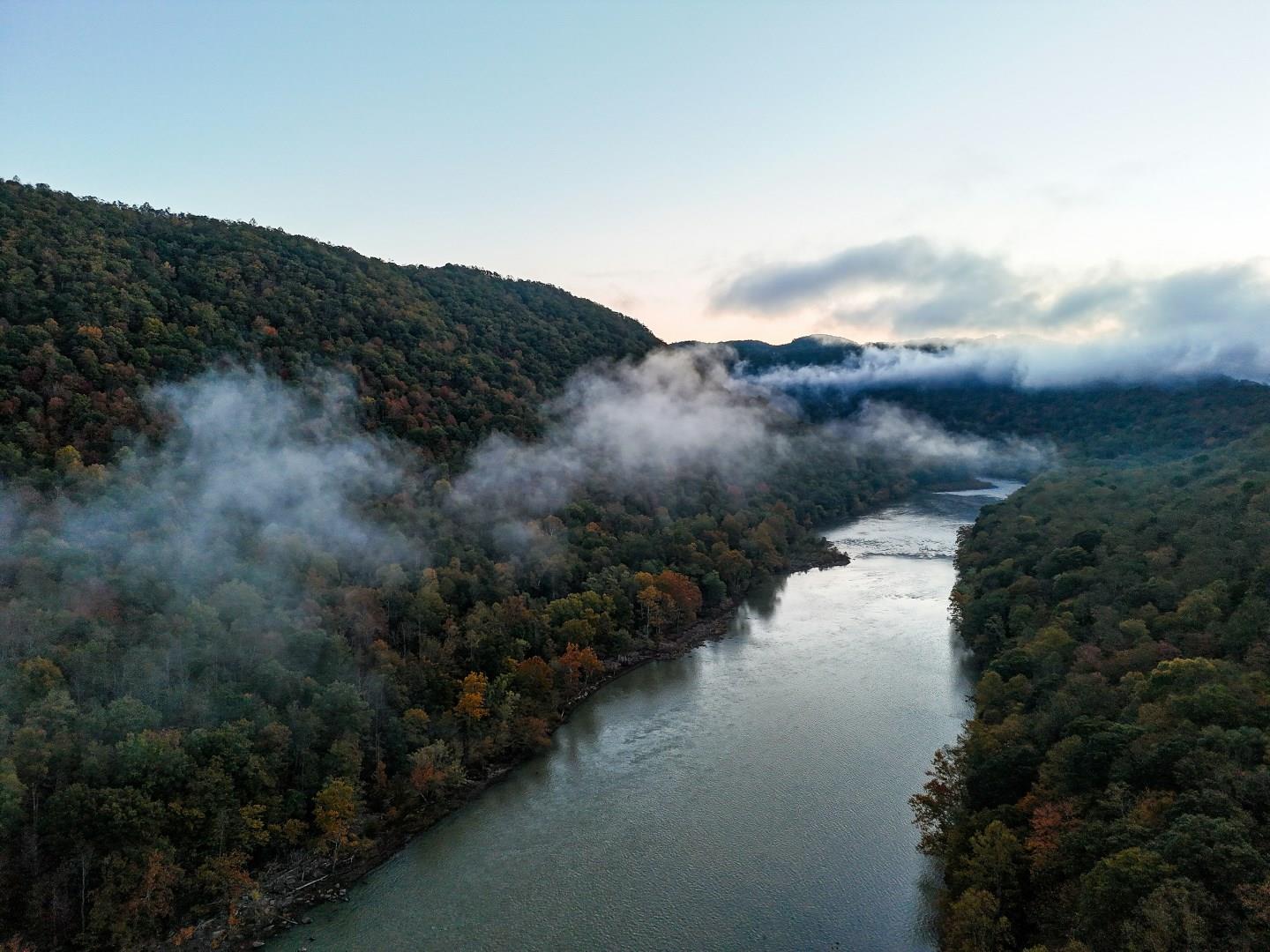
New River Gorge National Park & Preserve
New River Gorge National Park & Preserve in West Virginia has captured the attention of travelers with its rugged landscape and storied past. Established as a national park in 2020, this area was long known for its coal mining heritage and railroad history. Today, visitors can explore remnants of old mining towns and take in views from historic train trestles, all while experiencing some of the most dramatic river and canyon scenery in the eastern United States.
