

Whitehorse
Whitehorse, the capital of Canada’s Yukon Territory, sits along the Yukon River and serves as the cultural, economic, and transportation heart of the North. Its history is closely tied to the Klondike Gold Rush of the late 1890s, when prospectors passed through the area on their way to Dawson City.
Côte d’Ivoire
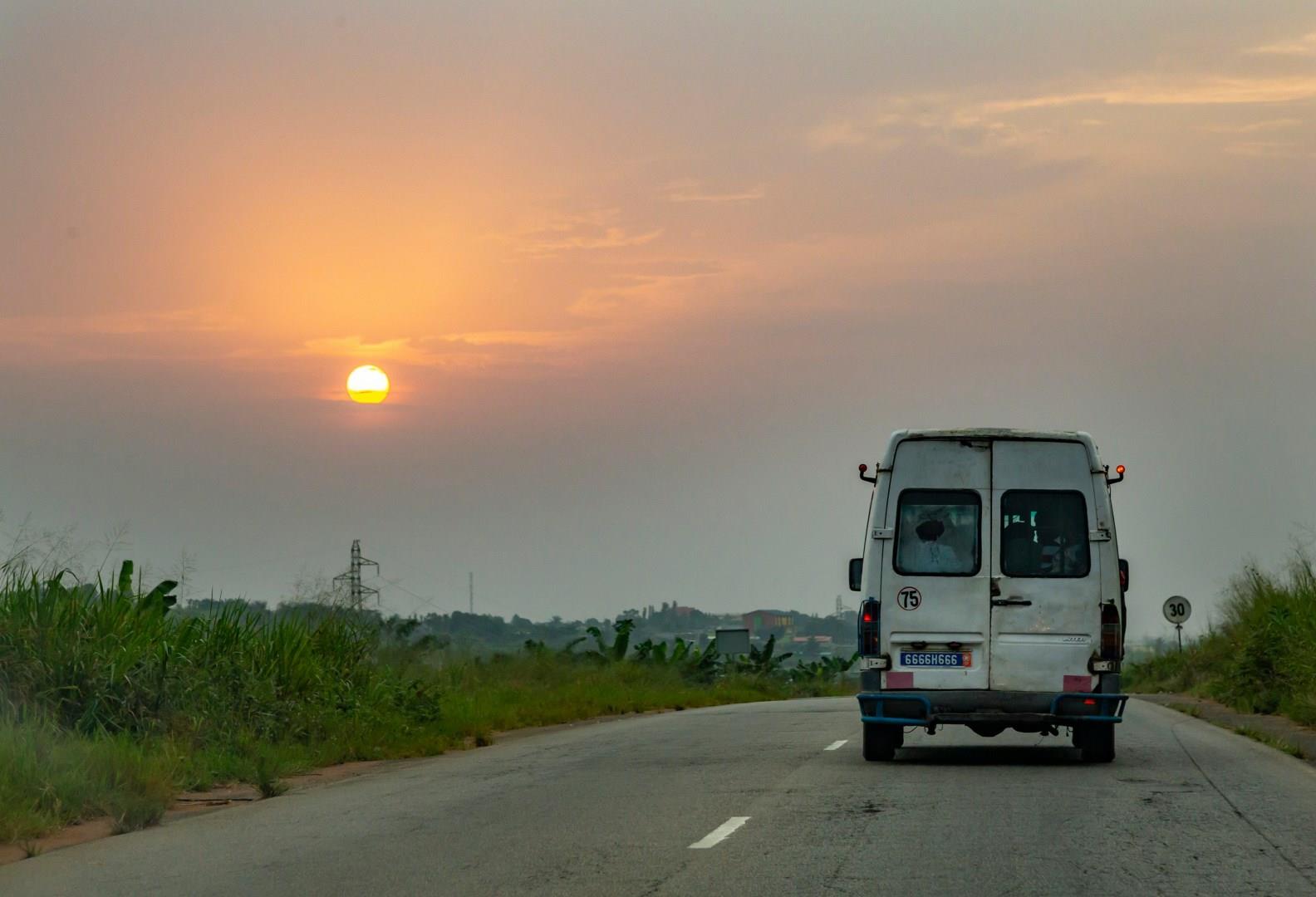
Ivory Coast, or Côte d’Ivoire, is a West African nation celebrated for its cultural diversity, vibrant cities, and scenic landscapes.

India
Considered a hub for the world’s information technology industry, India is a major player in the global economy, and its cosmopolitan cities, including Delhi and Mumbai, offer a mosaic of modern and historic architectural styles for locals and visitors alike to enjoy.

Monaco
Known for its glitzy image, Monaco is home to some of the world’s most famous attractions, including the iconic Monte Carlo Casino, the historic Prince's Palace, and the prestigious Formula 1 Grand Prix.
Eleuthera Island
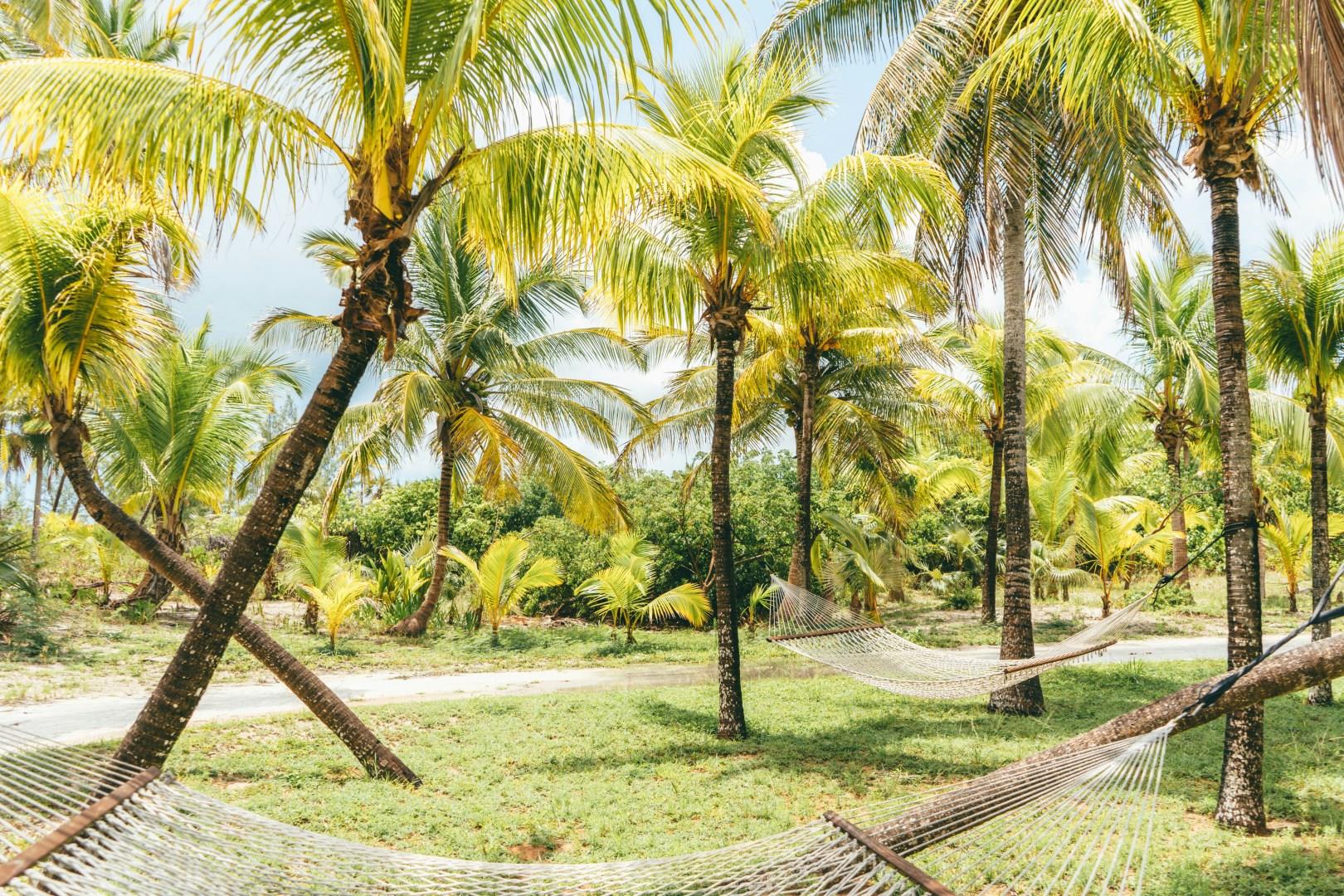
Eleuthera Island, one of the gems of the Bahamas, is an enticing blend of natural beauty and laid-back charm. Known for its pink sand beaches and crystal-clear waters, this island stretches over 100 miles, offering visitors an intimate escape from the bustle of larger tourist destinations. A must-see for beach lovers is Harbour Island, just a short ferry ride away, where the famed Pink Sands Beach provides a stunning backdrop of pale rose-colored sand against the turquoise sea.
