
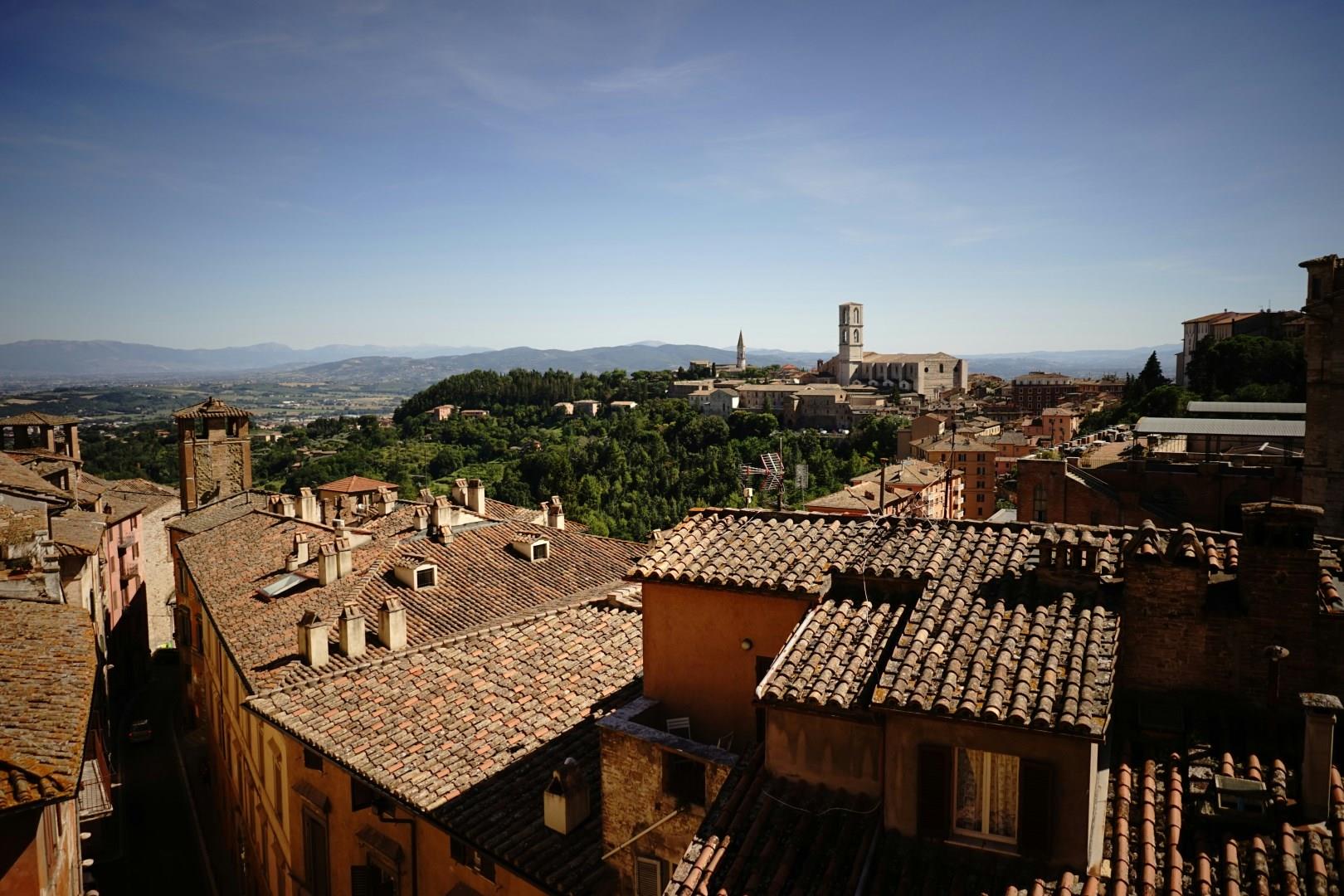
Perugia
Perugia, the capital of Italy’s Umbria region, is a city built across hills and centuries. Originally settled by the Etruscans more than 2,500 years ago, it still holds remnants of their civilization, including one of the largest surviving Etruscan arches in Italy named Arco Etrusco, which greets visitors at the city’s entrance. Walking through the narrow streets of the historic center reveals layers of Roman, medieval, and Renaissance architecture, all woven together within ancient stone walls.
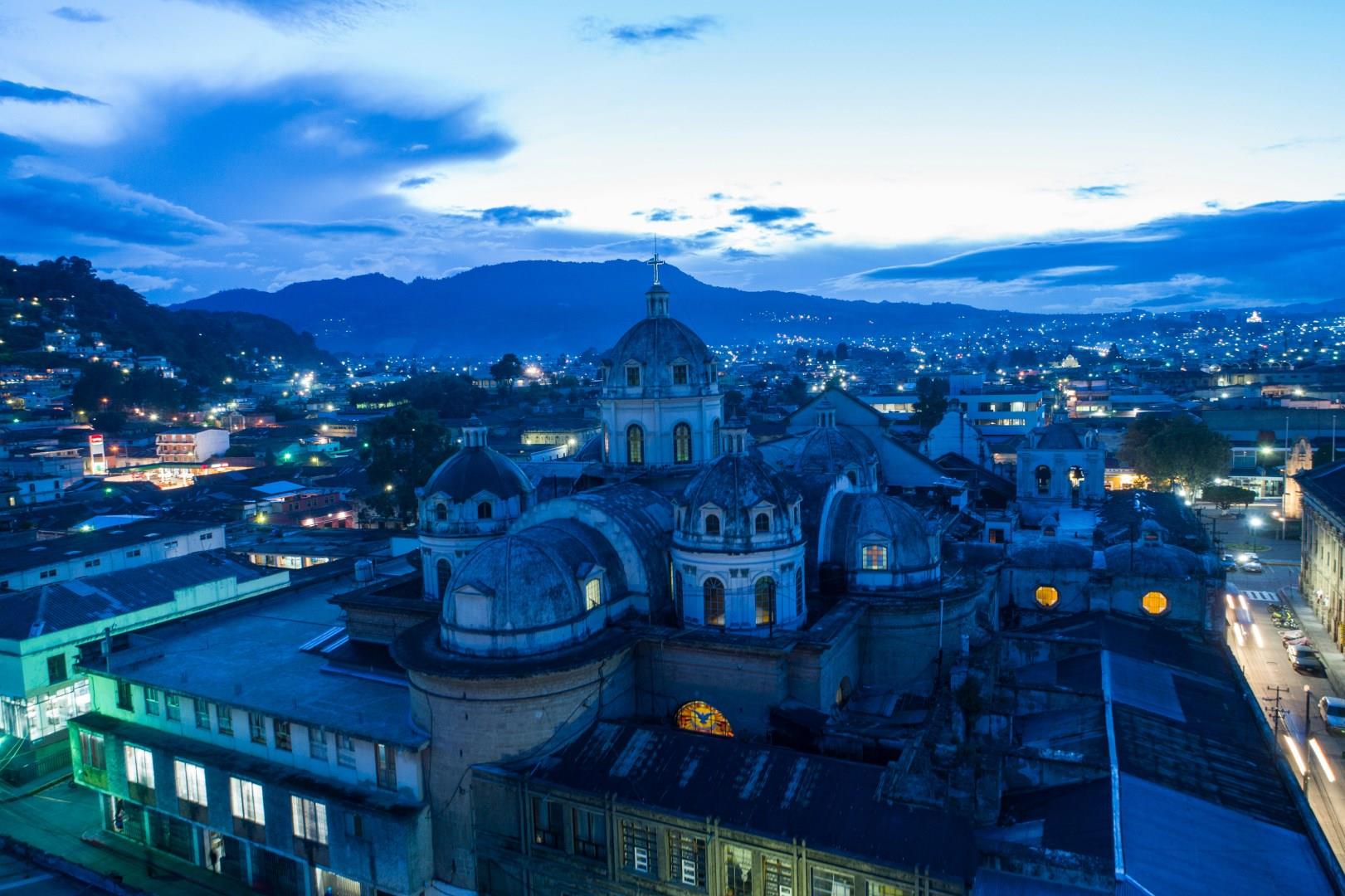
Quetzaltenango
Quetzaltenango, often called Xela by locals, is Guatemala’s second-largest city and a hub of indigenous culture, colonial history, and highland landscapes. Surrounded by volcanoes, including the towering Santa María, the city sits at over 7,600 feet above sea level, giving it a crisp mountain climate that contrasts with the country’s tropical lowlands.

Grundarfjörður
Situated on the north coast of the Snæfellsnes peninsula between a mountain range and the sea is the small town of Grundarfjordur, Iceland. Though certainly now the most well-known town on the peninsula, its nearby mountain Kirkjufell ("church mountain" in Icelandic) is perhaps Iceland's most famous.
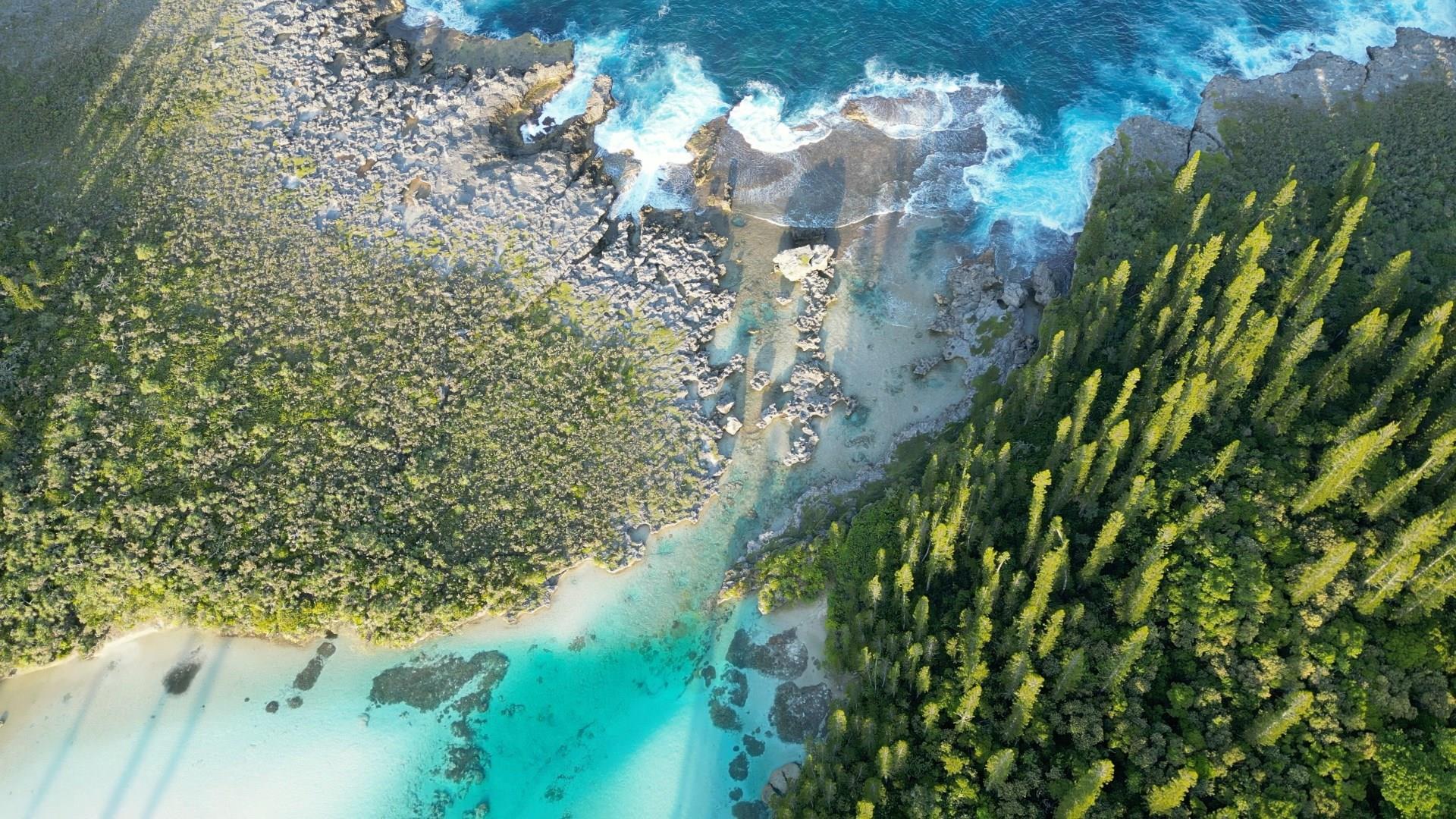
Ile Des Pins
Île des Pins, often referred to as the "Island of Pines," is a serene paradise located in New Caledonia. This tropical haven is renowned for its pristine beaches, turquoise lagoons, and lush pine forests, offering visitors an idyllic escape from the everyday. The island's charm extends beyond its beaches. The Pic N'Ga peak offers panoramic views of the island's lush landscape, accessible via a scenic hike through dense forest.
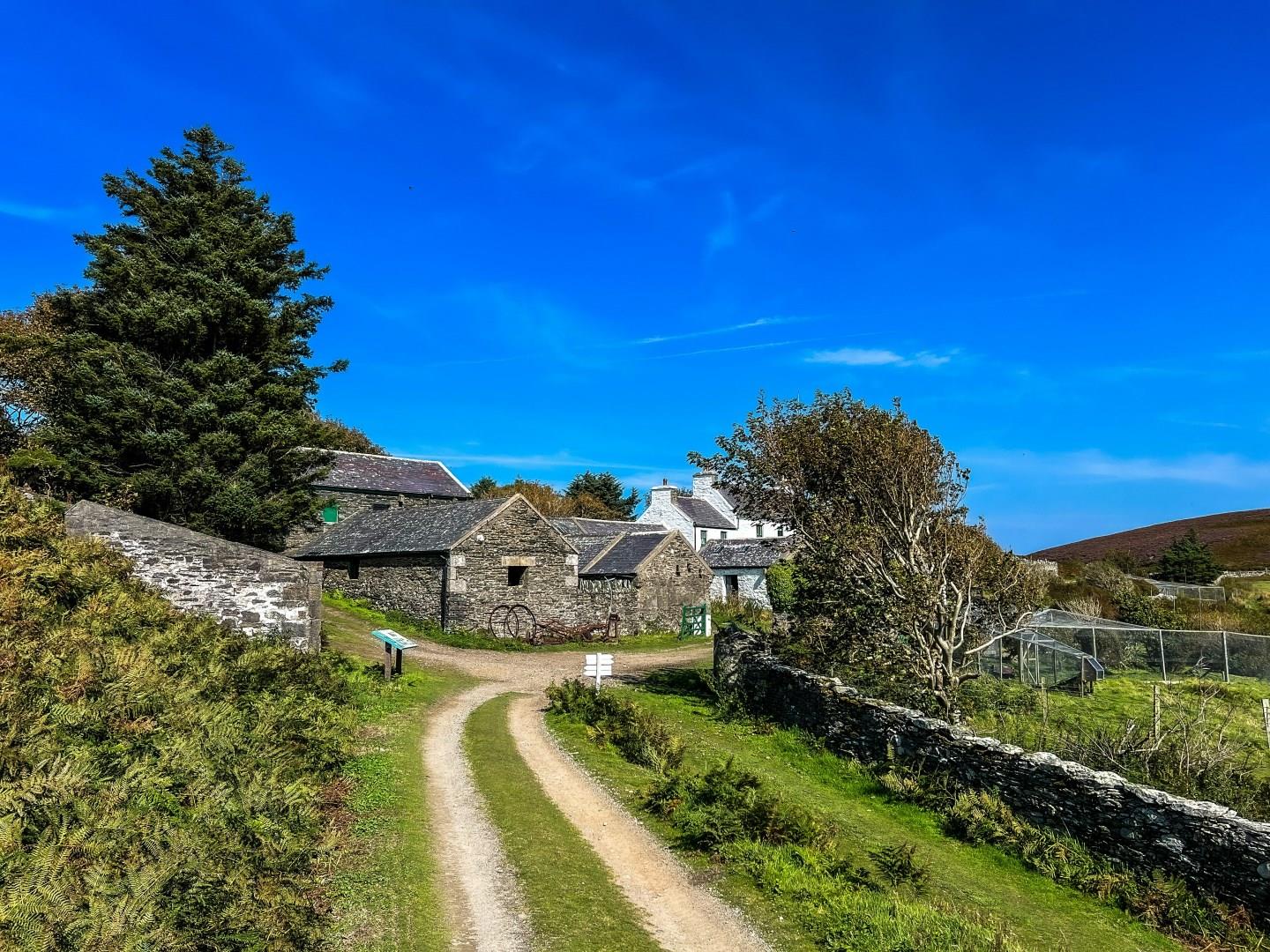
Calf of Man
The Calf of Man, a small island off the southwest coast of the Isle of Man, offers a rare glimpse into a quieter side of the Irish Sea. Covering just over 260 acres, this uninhabited island is known primarily for its rich birdlife and dramatic coastal cliffs. Visitors often arrive by boat from nearby Port Erin, embarking on guided tours that reveal the island’s importance as a bird sanctuary.
