

Hakodate
Hakodate sits at the southern tip of Hokkaido and combines historical charm with natural splendor.

Reggio Calabria
Reggio Calabria, located at the tip of Italy’s toe, is a city where ancient history and natural beauty converge in spectacular fashion. One of the city's most renowned landmarks is the Bronzi di Riace, two magnificent bronze statues from the 5th century BC that were discovered off the coast of Riace in 1972.
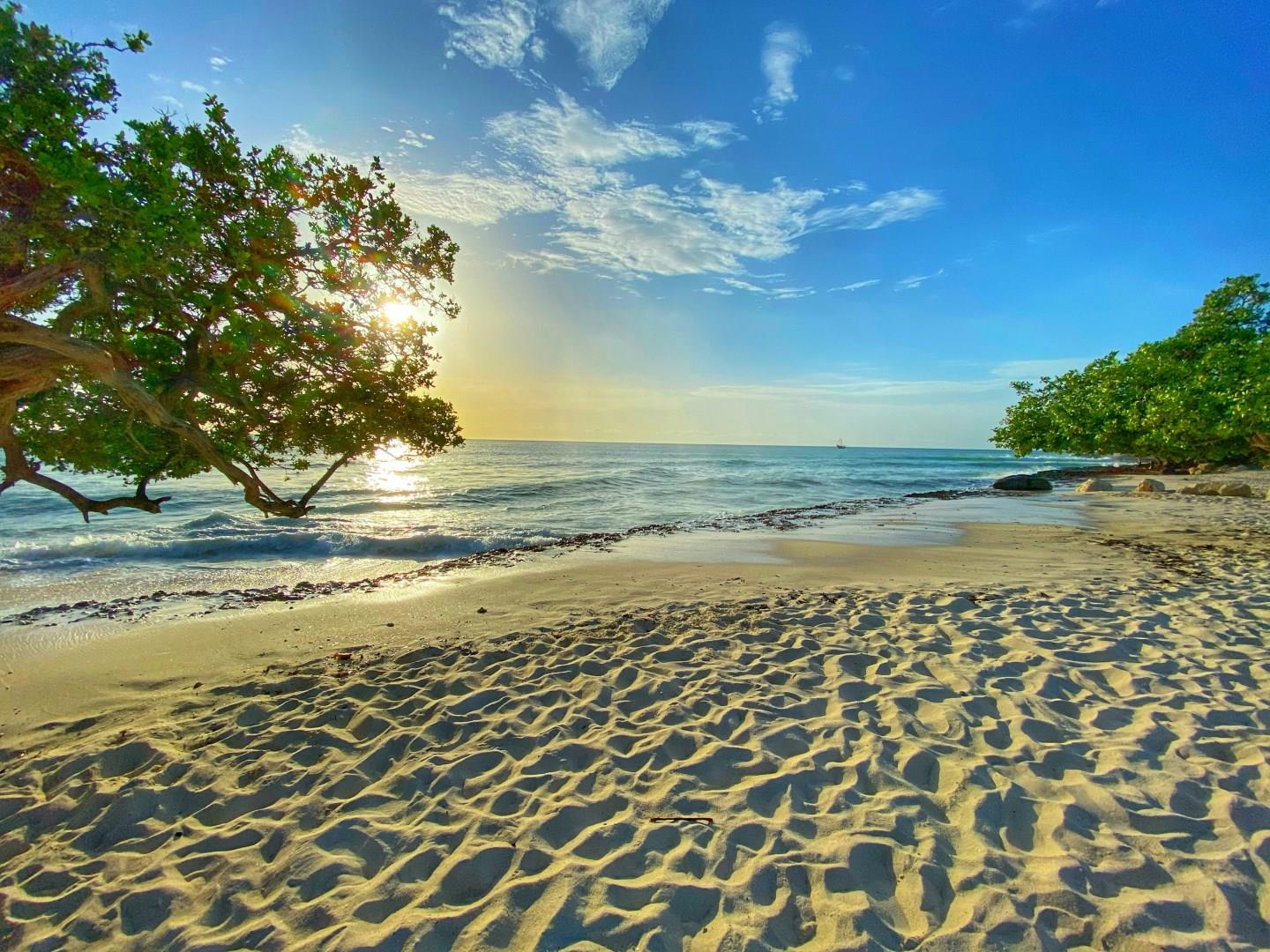
Eagle Beach
Eagle Beach, on Aruba’s western coast, is often celebrated as one of the most beautiful beaches in the Caribbean. Known for its wide stretch of soft white sand and calm turquoise waters, it offers a peaceful setting away from the livelier resort areas.

Nevada
Nevada, a state known for its diverse landscapes and vibrant cities, offers a remarkable array of experiences for travelers. Whether you're drawn to the high-energy excitement of Las Vegas or the serene beauty of its natural landscapes, Nevada offers a unique and diverse range of experiences that are sure to captivate and delight.
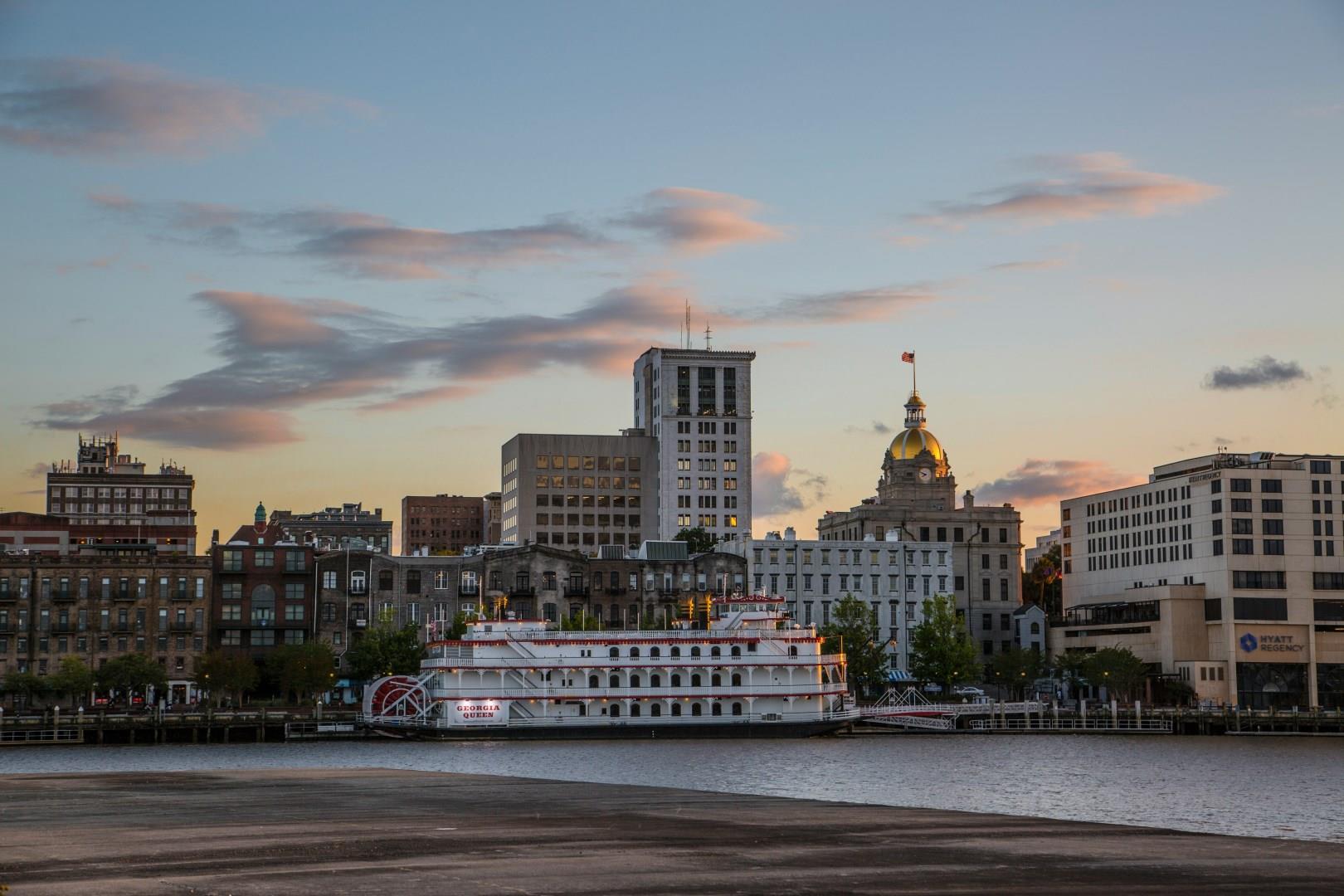
Savannah
Savannah, Georgia, is a city that moves at its own pace, shaded by moss-draped oaks and shaped by centuries of stories. Founded in 1733, it was Georgia’s first city and still wears its history proudly. Visitors walking through the Historic District will find cobblestone streets, hidden gardens, and 22 public squares, each with its own character.
