

Bilbao
Bilbao’s unique blend of modern architecture, rich history, and natural beauty makes it a destination like no other. Whether you’re exploring cutting-edge art, savoring Basque cuisine, or simply soaking in the stunning scenery, Bilbao offers an experience that will captivate your senses and leave you wanting more.
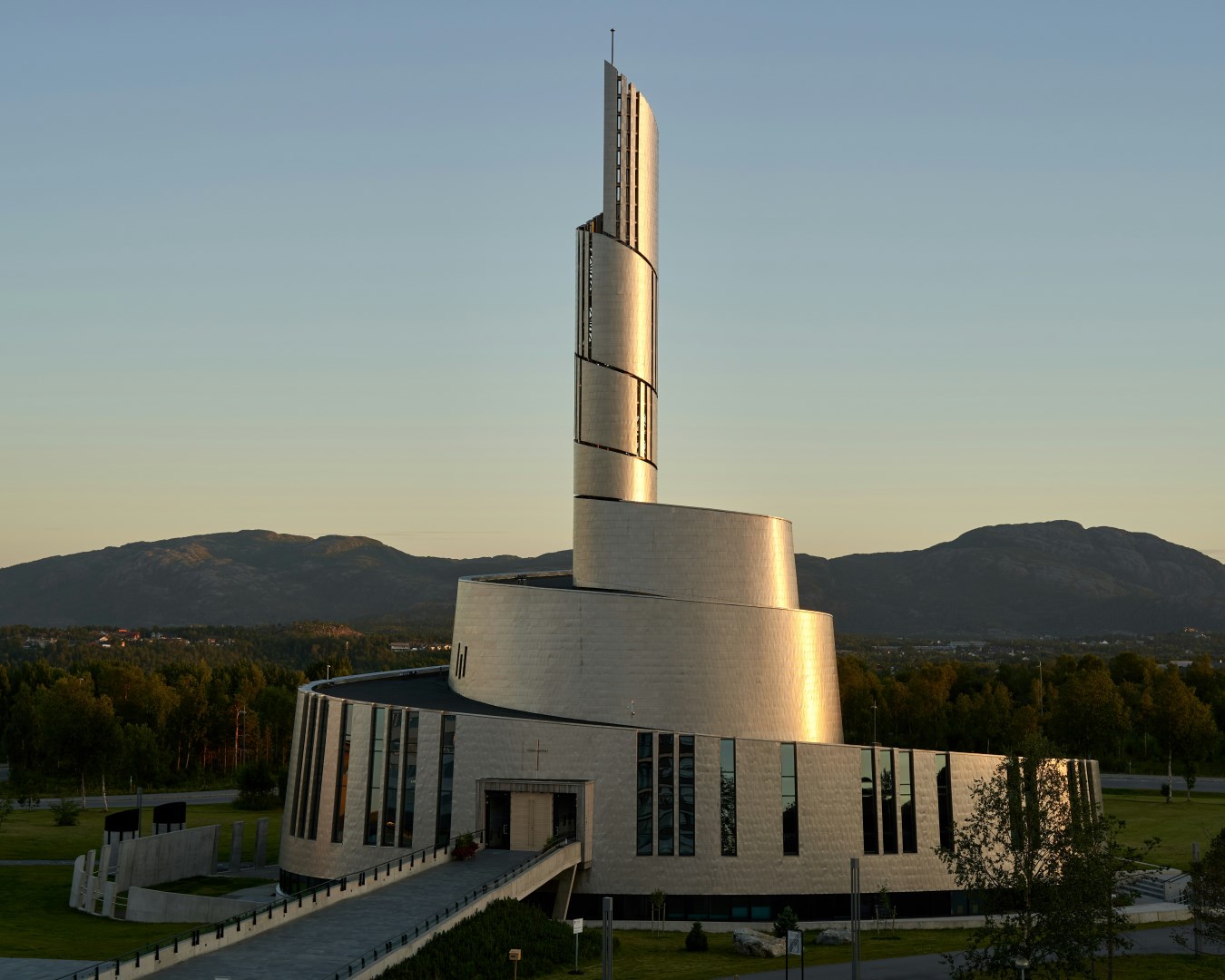
Alta
Alta is a town in northern Norway located at the head of Altafjord in Finnmark County, well above the Arctic Circle. The area is known for its combination of coastal landscapes, birch forests, mountain plateaus, and Arctic climate.
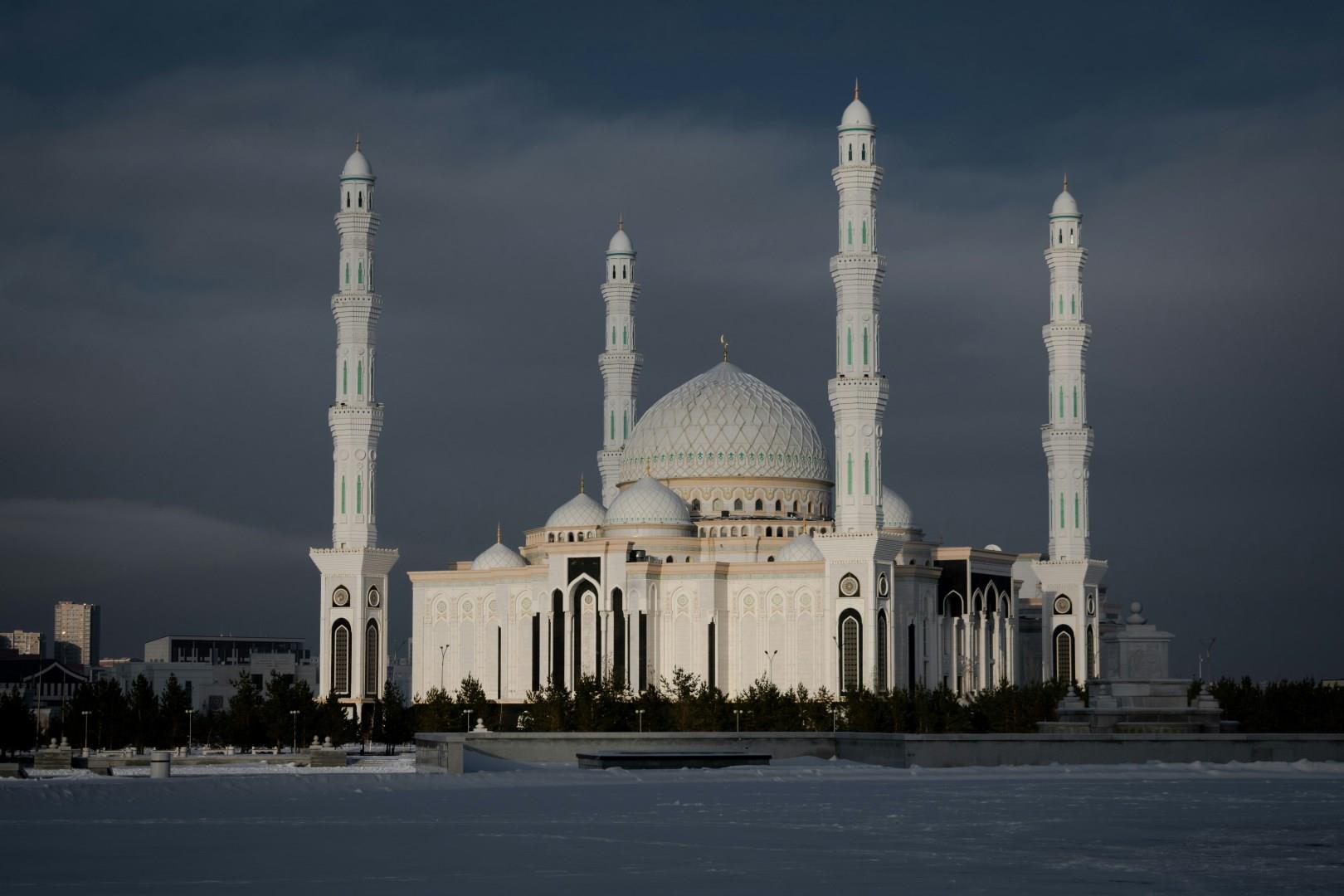
Astana
Astana, officially known as Nur-Sultan, is the modern capital of Kazakhstan and a striking example of contemporary urban design in Central Asia.
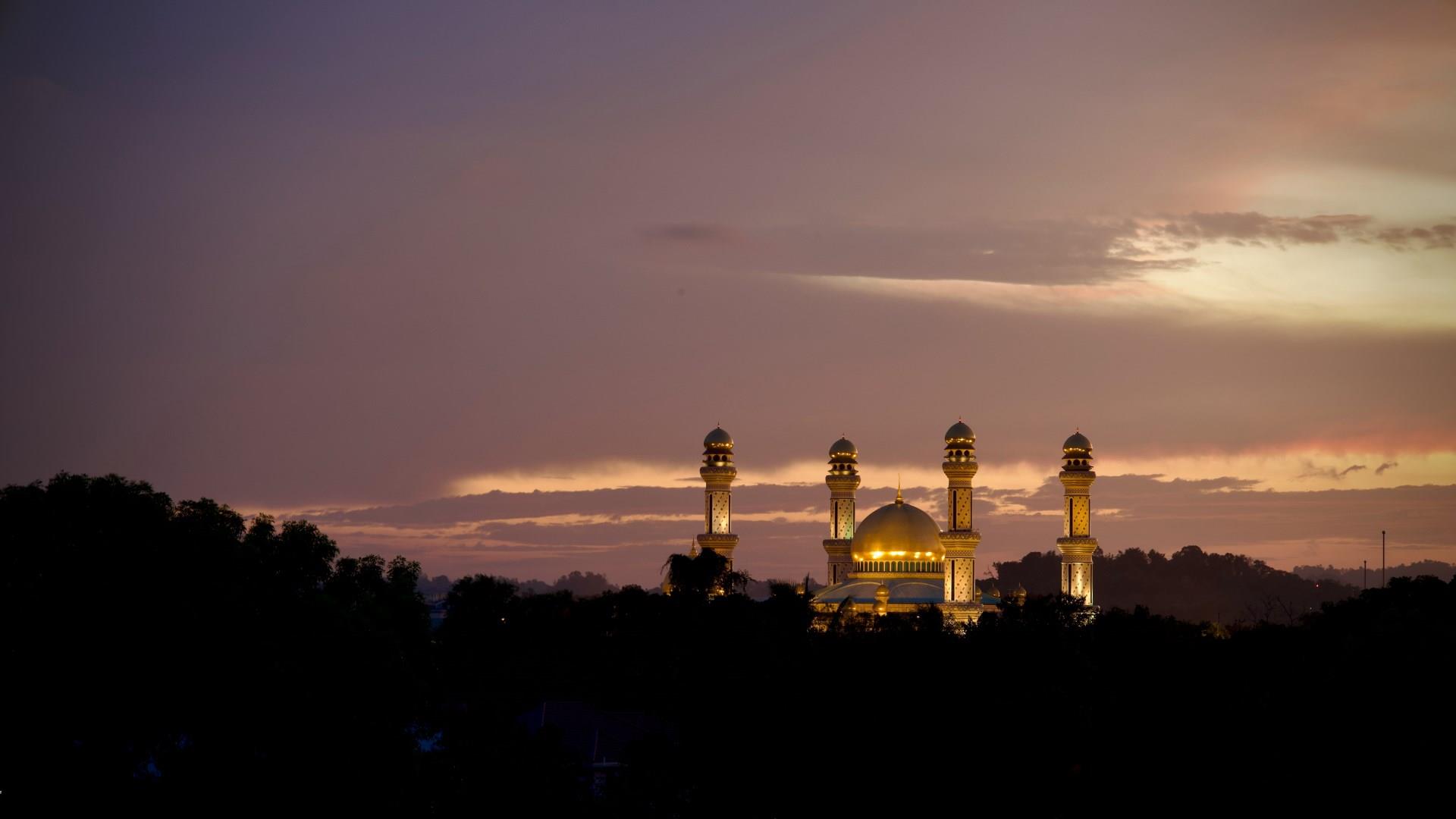
Bandar Seri Begawan
Bandar Seri Begawan, the capital of Brunei, sits along the Brunei River and combines traditional charm with modern infrastructure. The city is known for its stunning Islamic architecture, including the Sultan Omar Ali Saifuddien Mosque, with its golden dome and marble minarets reflecting in the surrounding water.
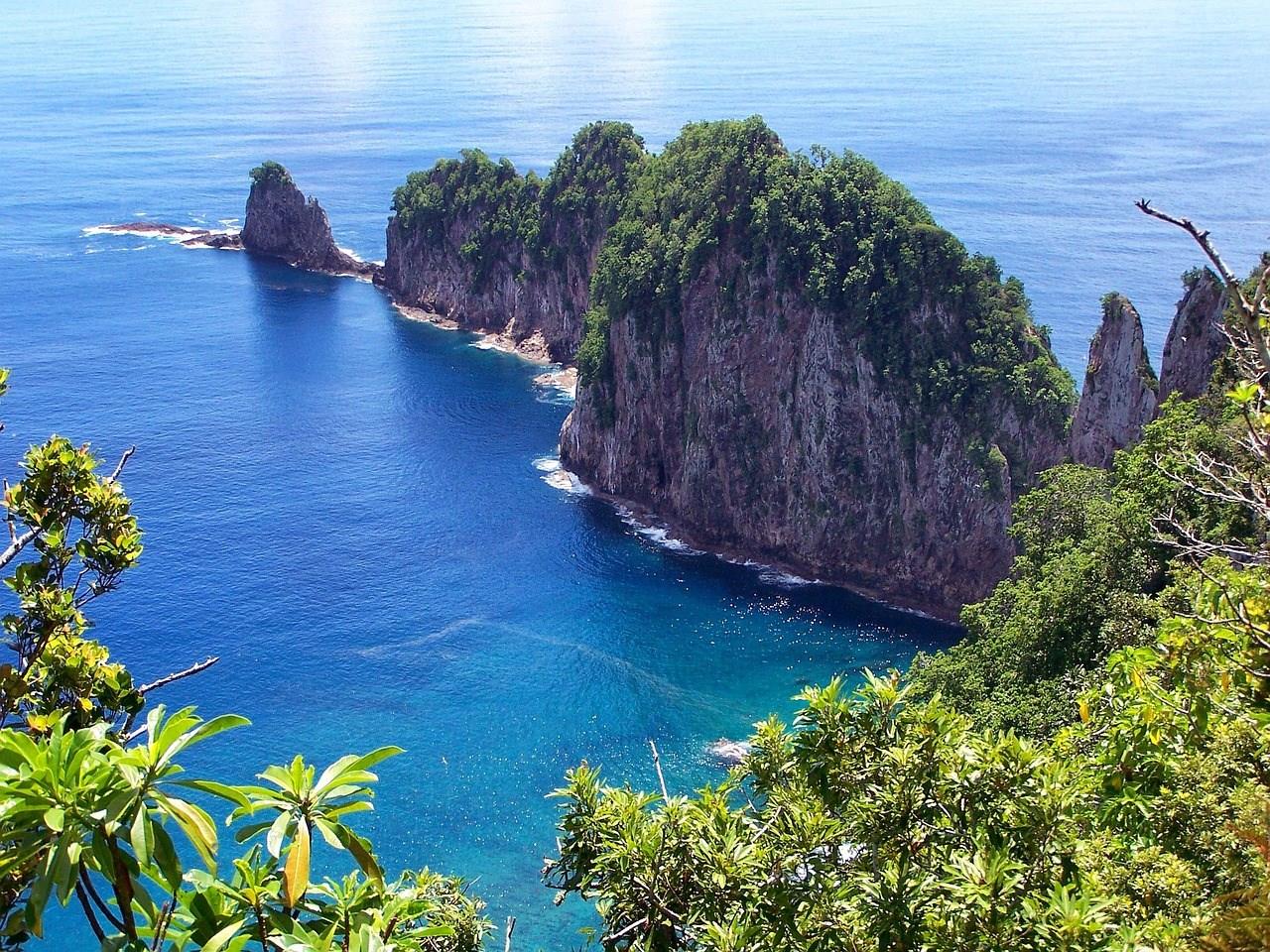
National Park of American Samoa
The National Park of American Samoa invites visitors to step into a world shaped by towering volcanic ridges, tangled rainforests, and clear coral-sand bays. Spread across Tutuila, Ta‘ū, and Ofu islands, the park protects nearly 13,500 acres of land and 4,000 acres of ocean, an unusual patchwork where ancient ecosystems like paleotropical rainforests meet hip-deep coral reefs. Only U.S. national park in the Southern Hemisphere, it’s a place where you can hike through cloud-shrouded forests and t
