

Copenhagen
Charming Copenhagen is the jewel of Denmark and a delightful stop for any traveler. Well-known as an eco-friendly haven for sustainable and green living, Copenhagen has embraced its status as the best “bike city” on earth and promoted the use of bicycles by locals and tourists.

Sete
Sète is a lovely port city in southern France, often called the "Venice of Languedoc" because of its many canals. The old port area is full of history and charm, making it a great place to explore. Visitors can stroll along the canals while observing the daily activities of fishermen and admire the array of boats moored along the quays.

Dunedin
Dunedin is the second largest city in New Zealand and home to the world's only mainland-breeding albatross colony, the Royal Albatross Centre.
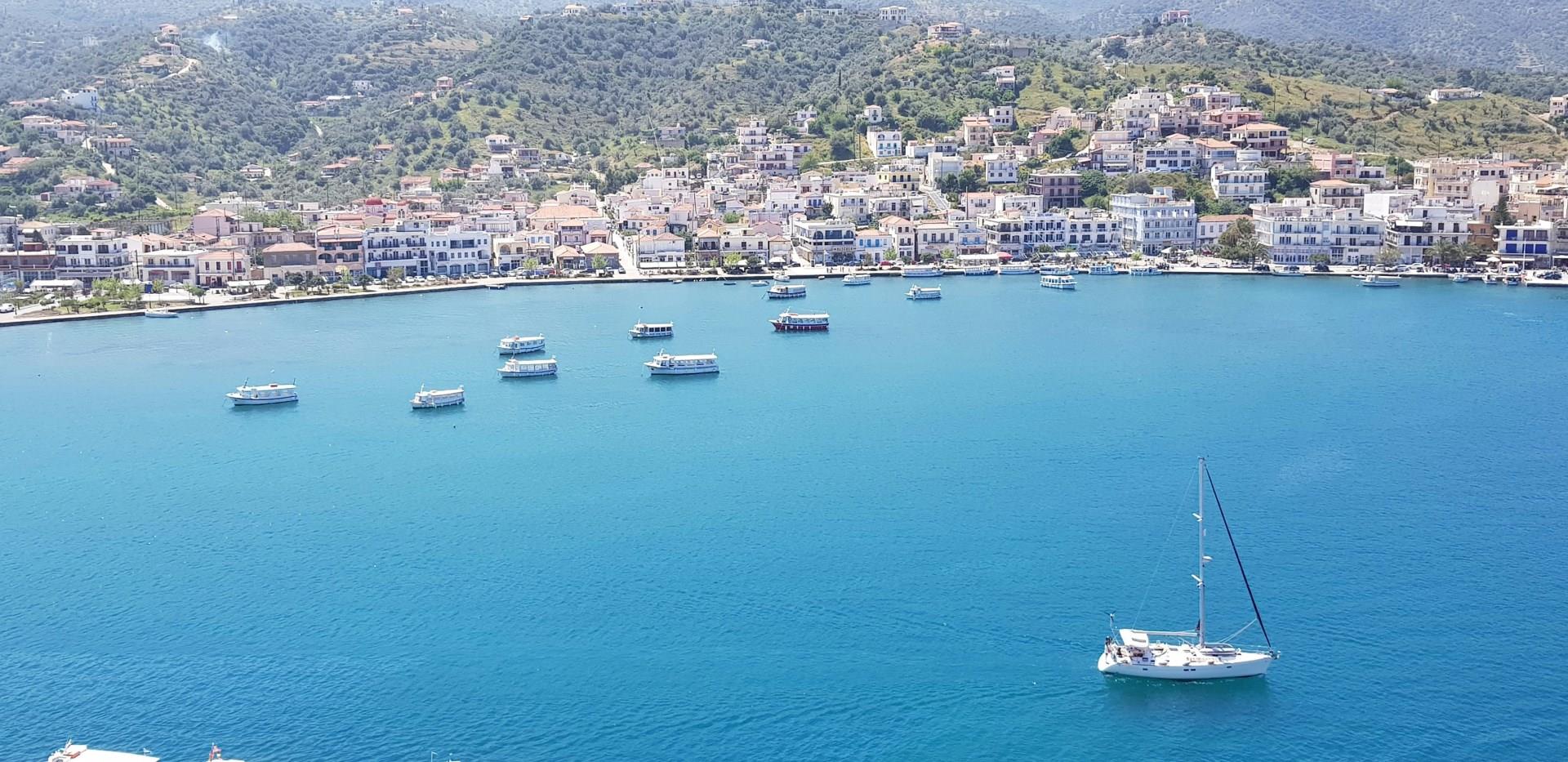
Poros
Poros, a small island in the Saronic Gulf of Greece, is known for its pine-covered hills, neoclassical architecture, and laid-back charm. Just an hour by ferry from Athens, it feels worlds away from the bustle of the capital, offering a slower pace and picturesque scenery.

Arizona
Arizona is a state where ancient landscapes and modern life meet in unexpected ways. While many come for the Grand Canyon, an awe-inspiring chasm over 277 miles long, there's far more waiting beyond the rim.
